Mira - Welentunge
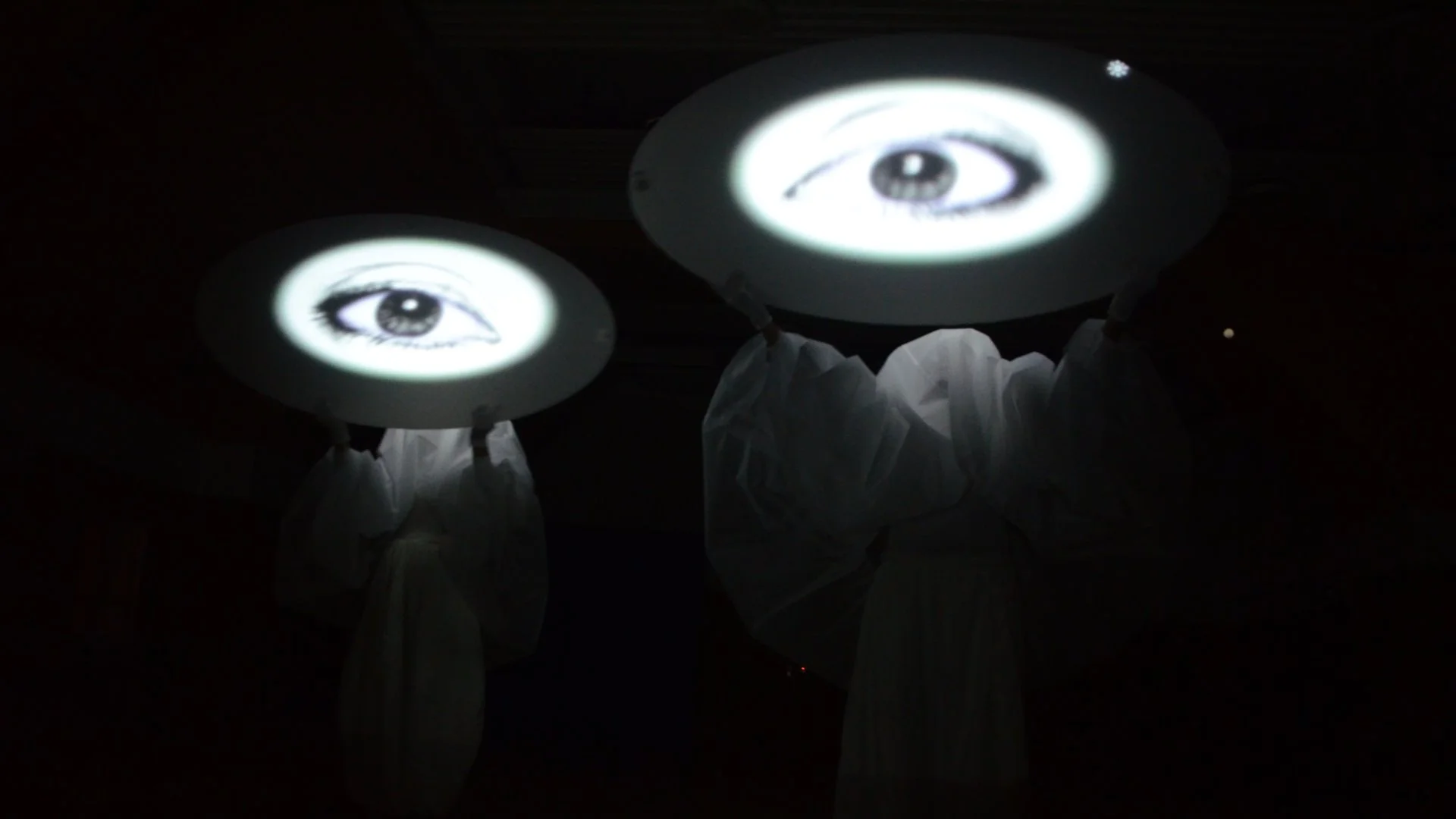
A video installation confronting state violence, collective memory and human rights through the image of the eye and the enduring presence of the Mapudungun language. Through projection, sound and spoken word, MIRA – WELENTUNGE reflects on what remains visible when violence attempts to erase memory.

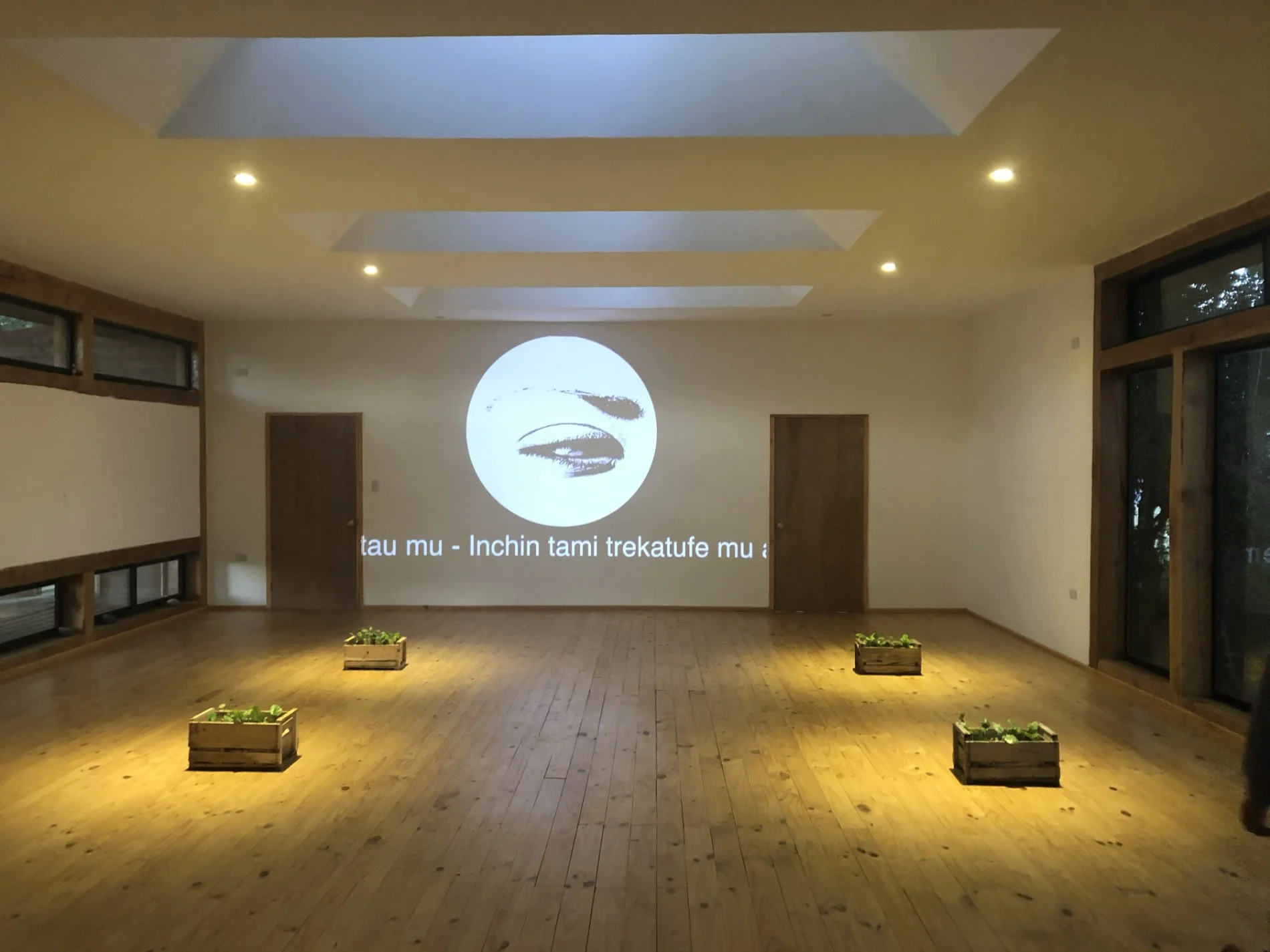
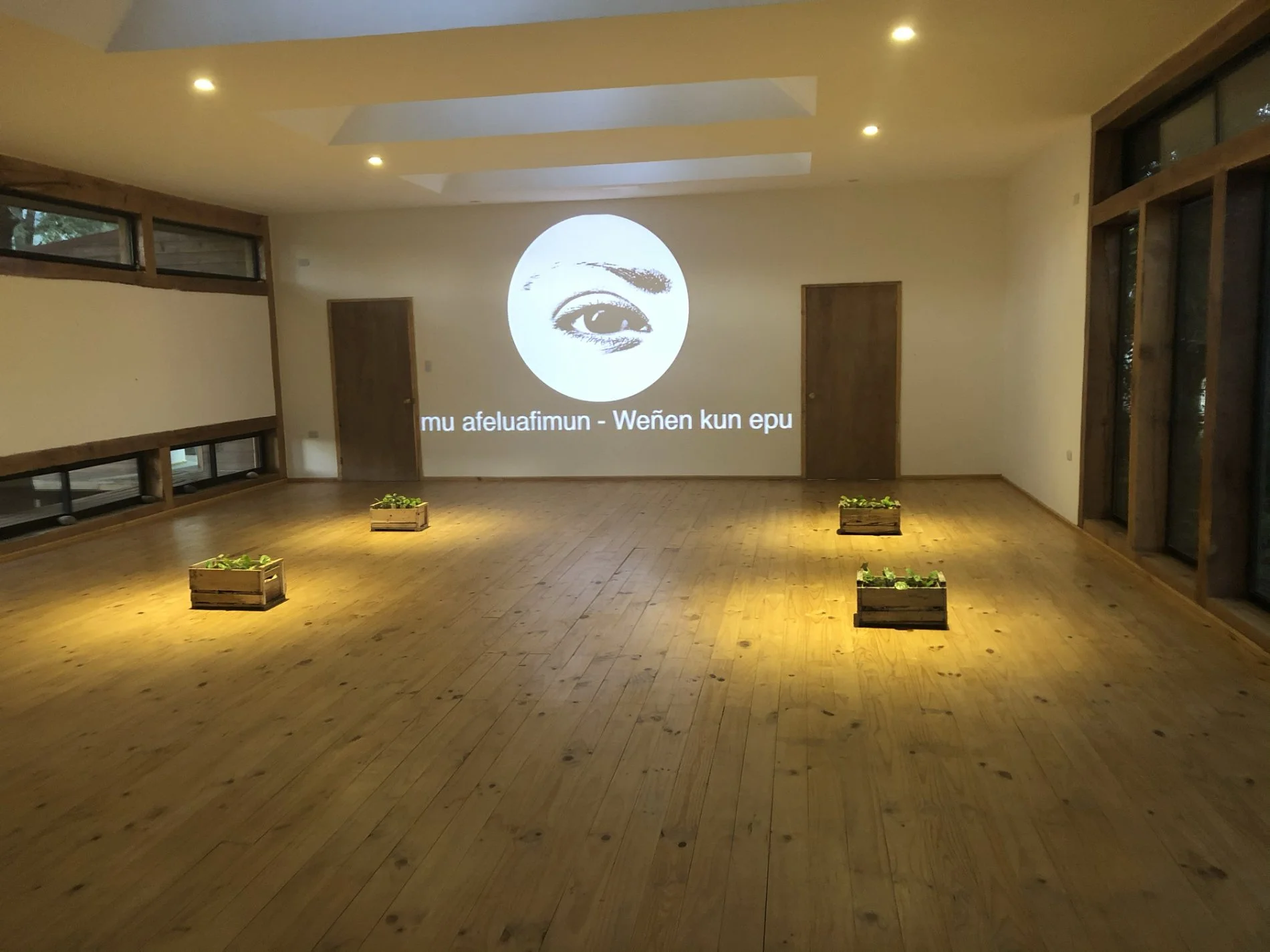
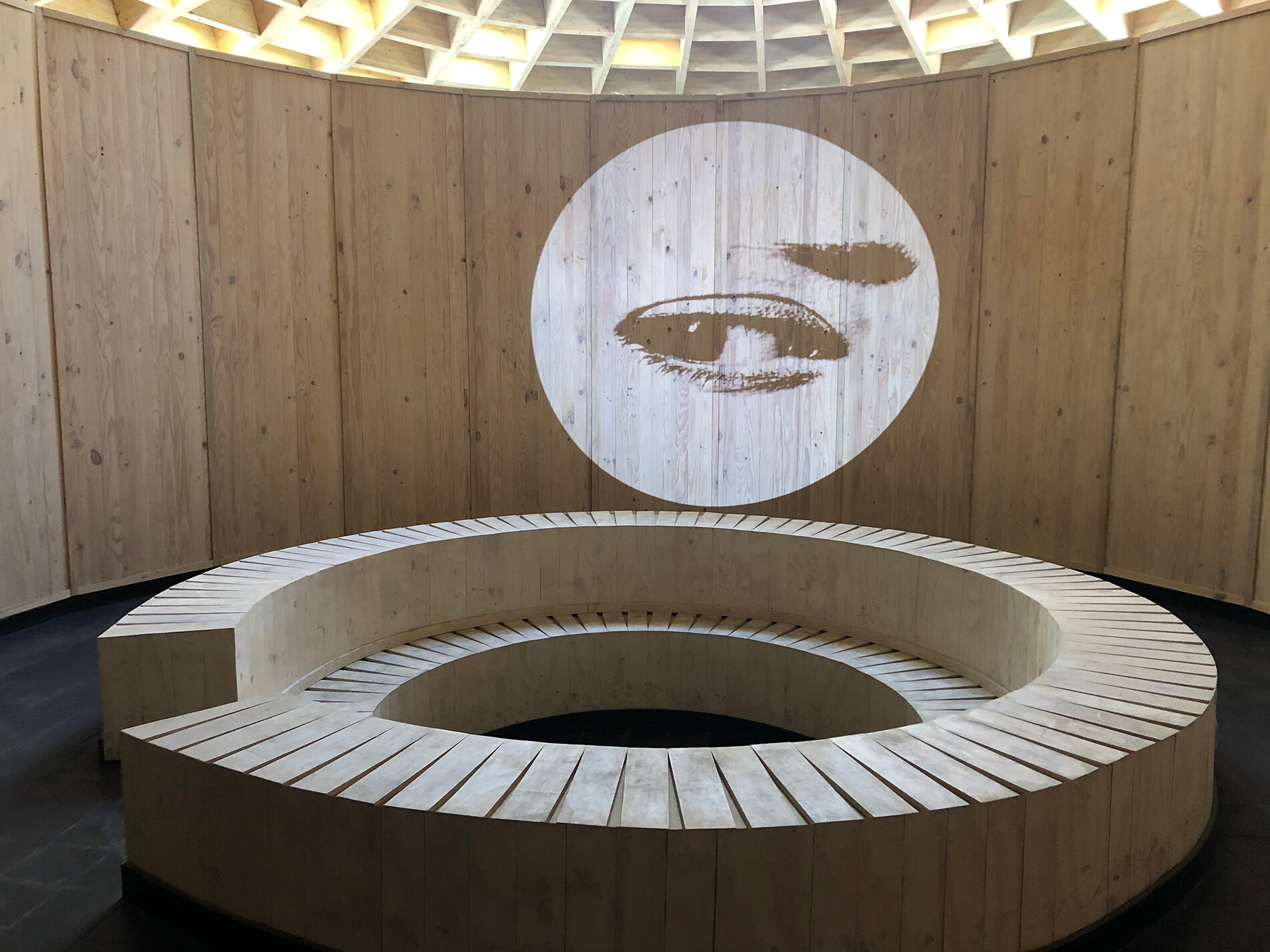

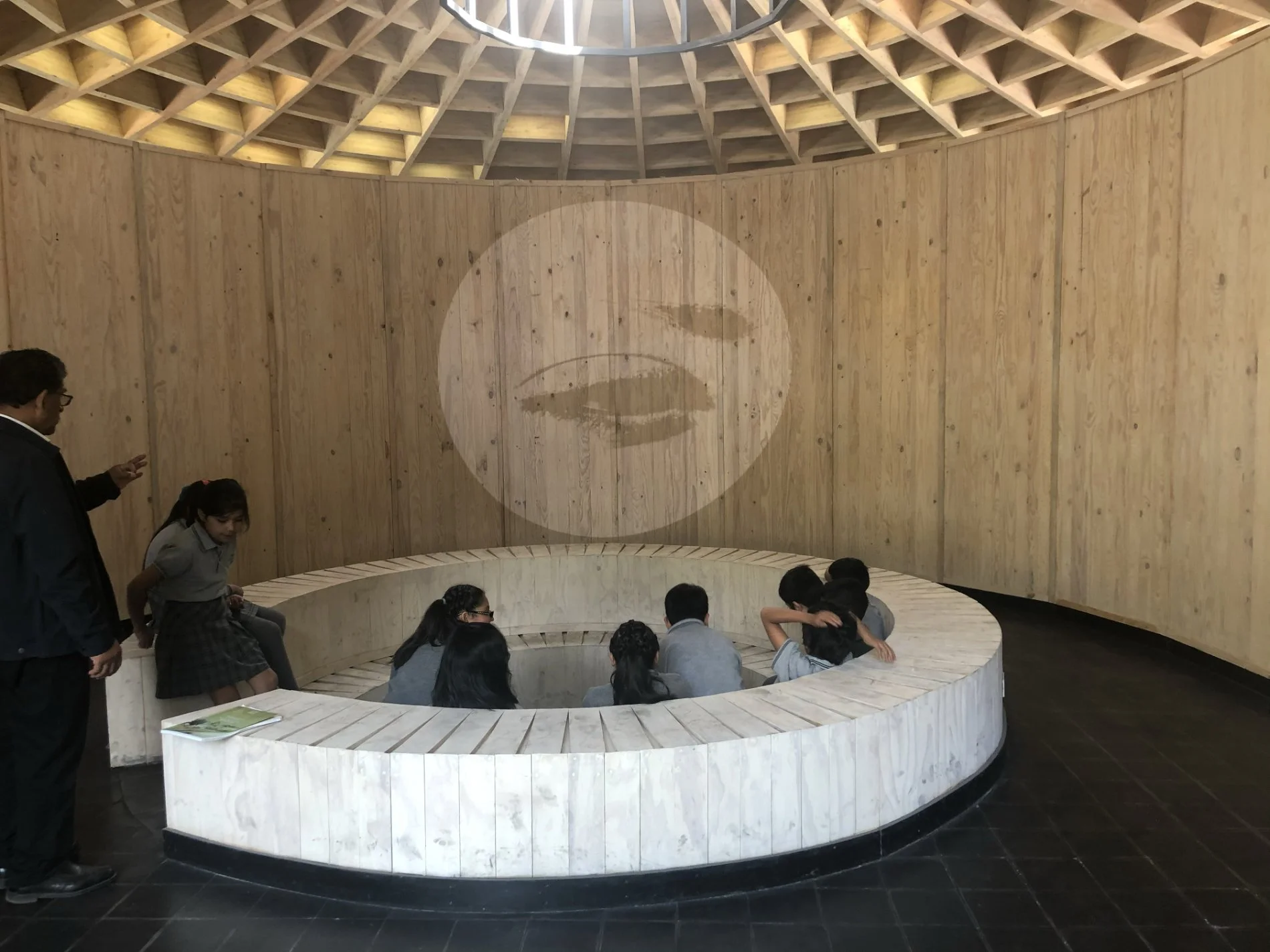
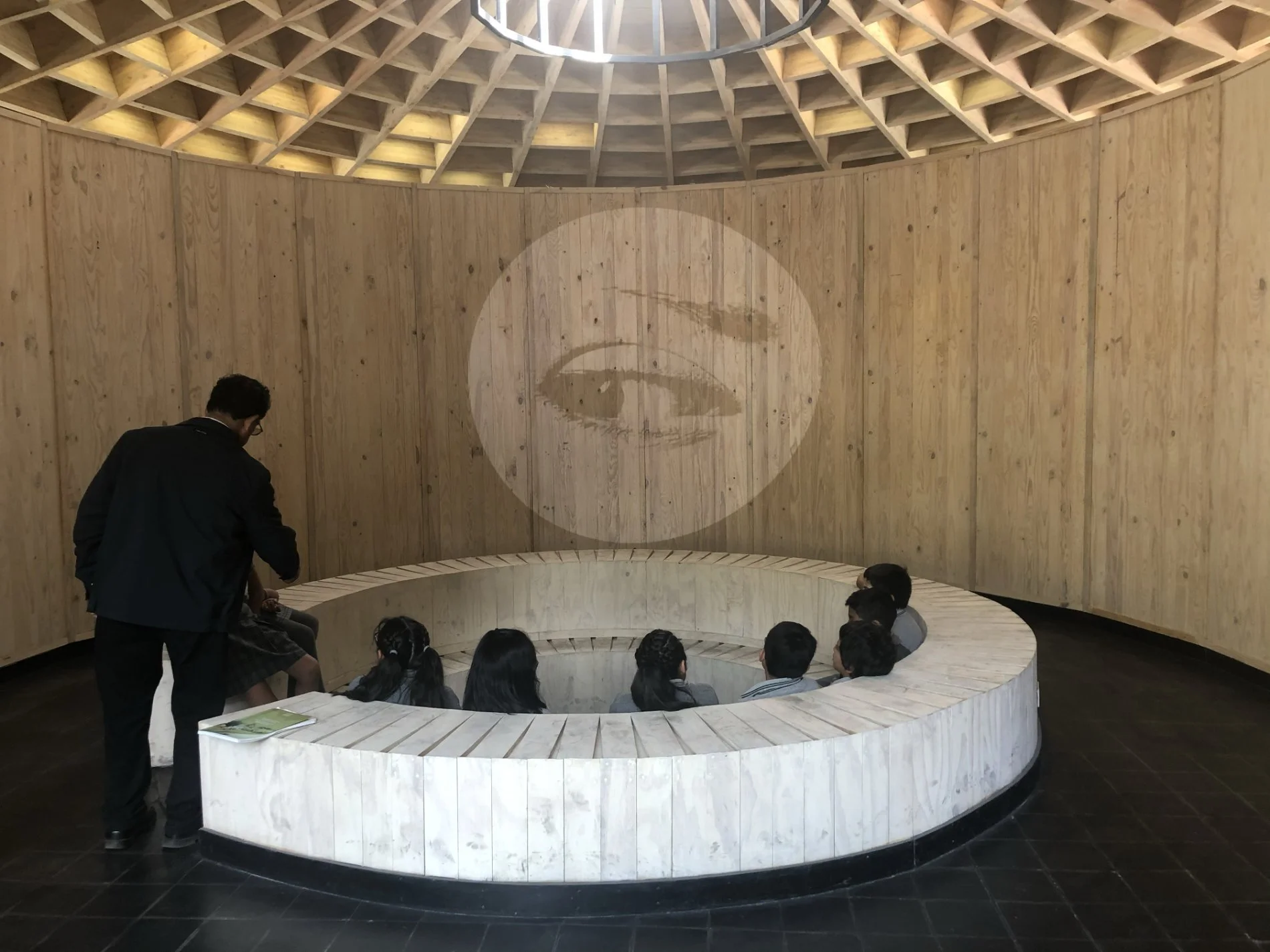
Details
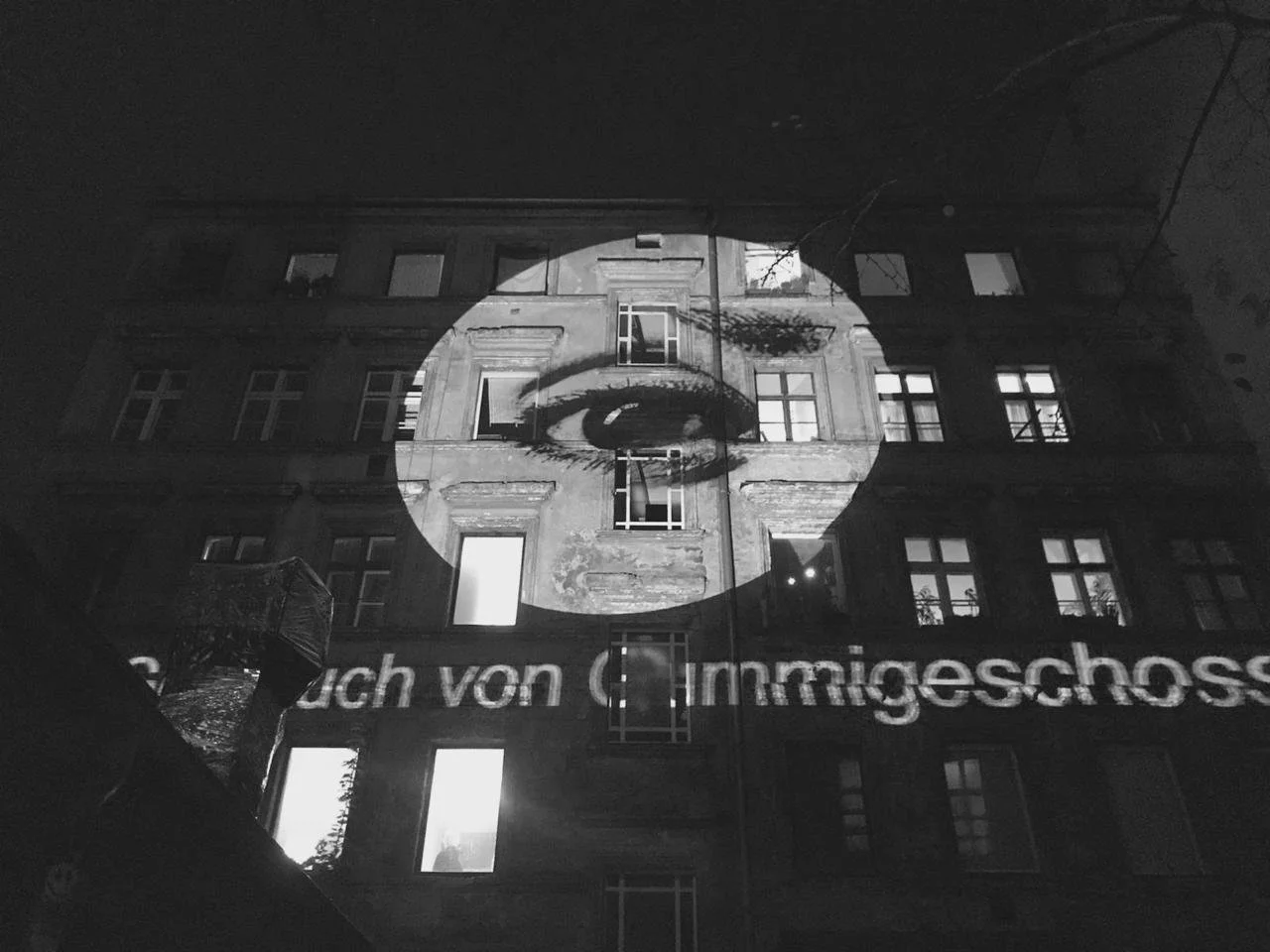
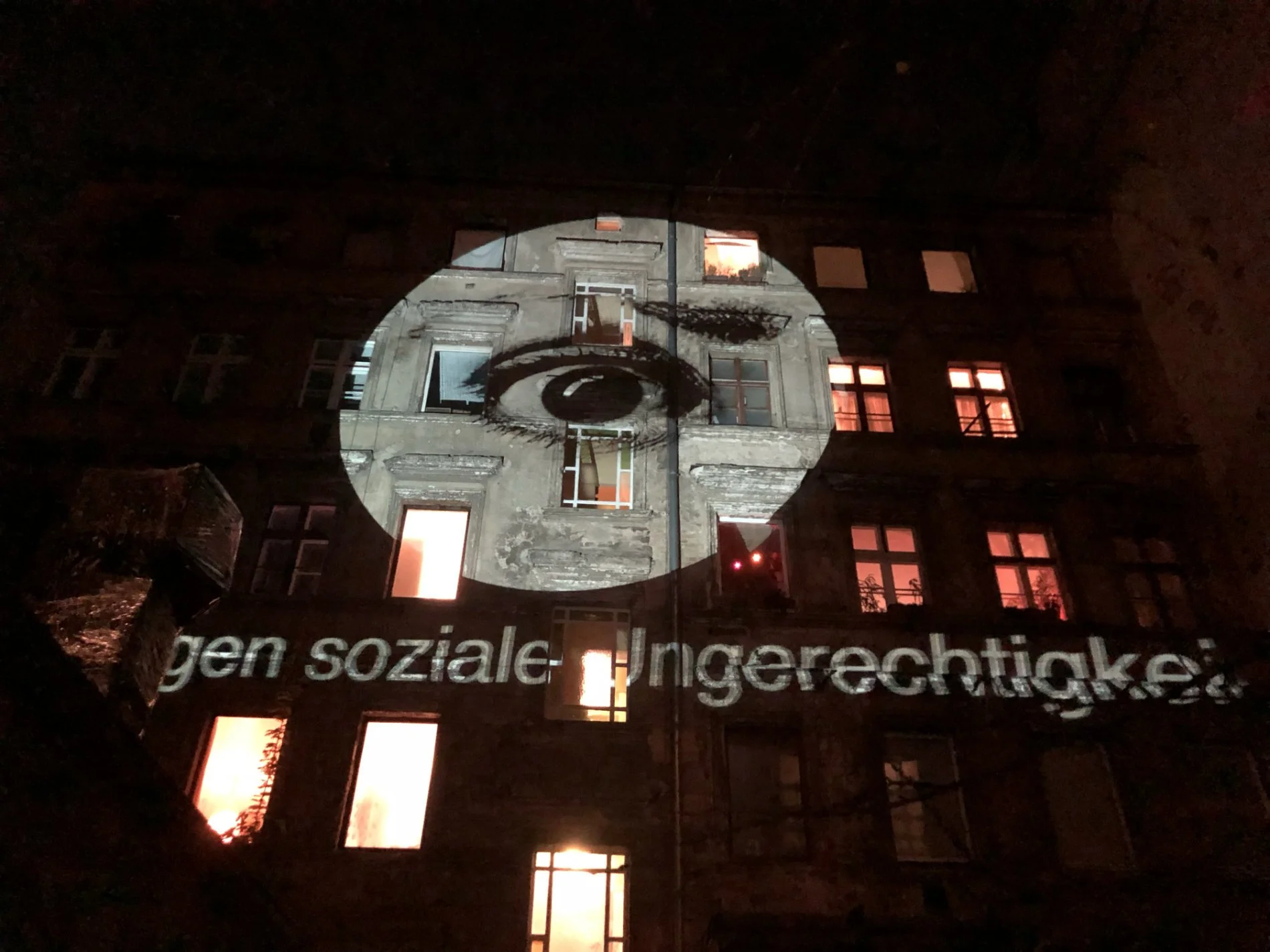
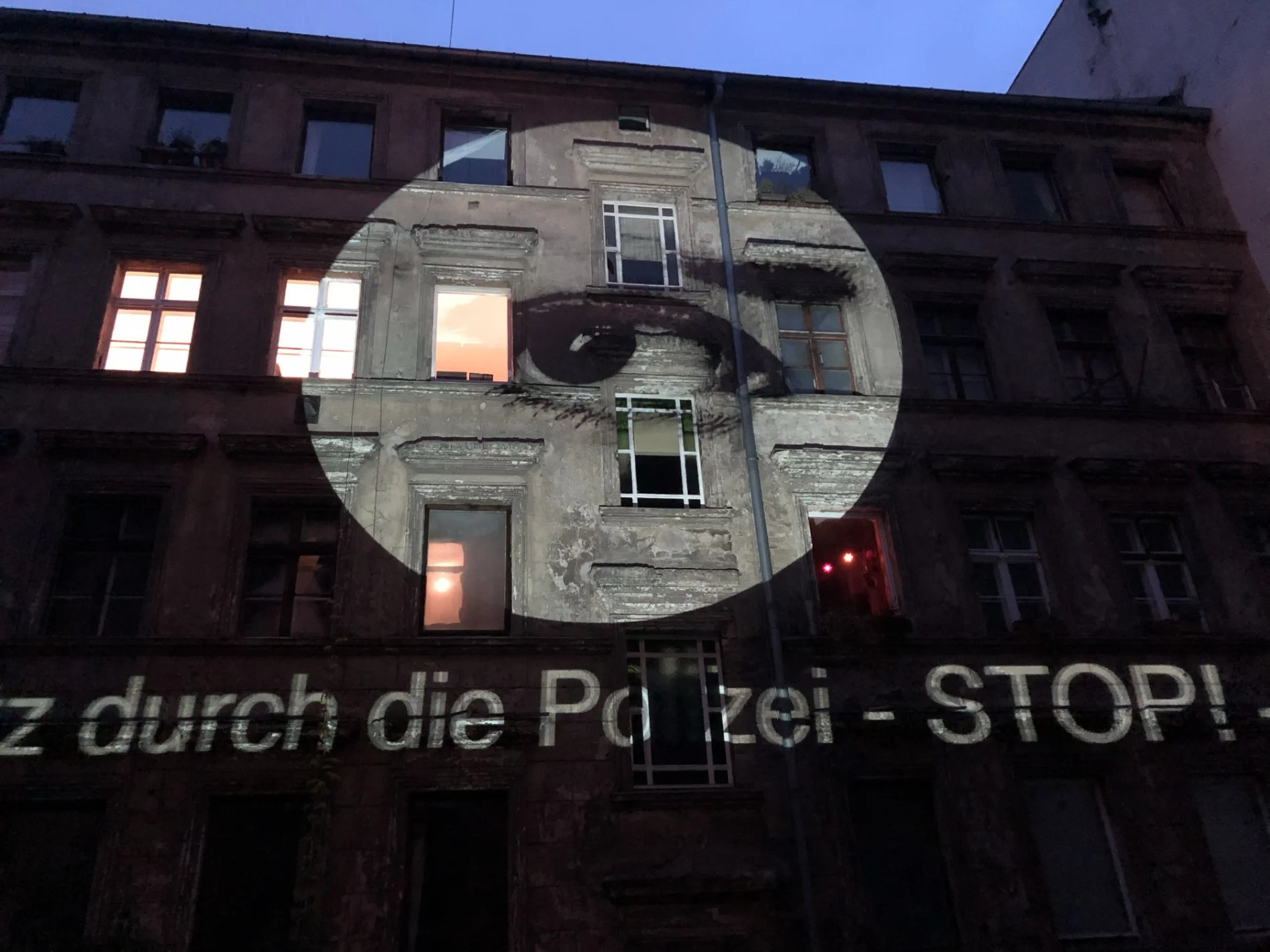
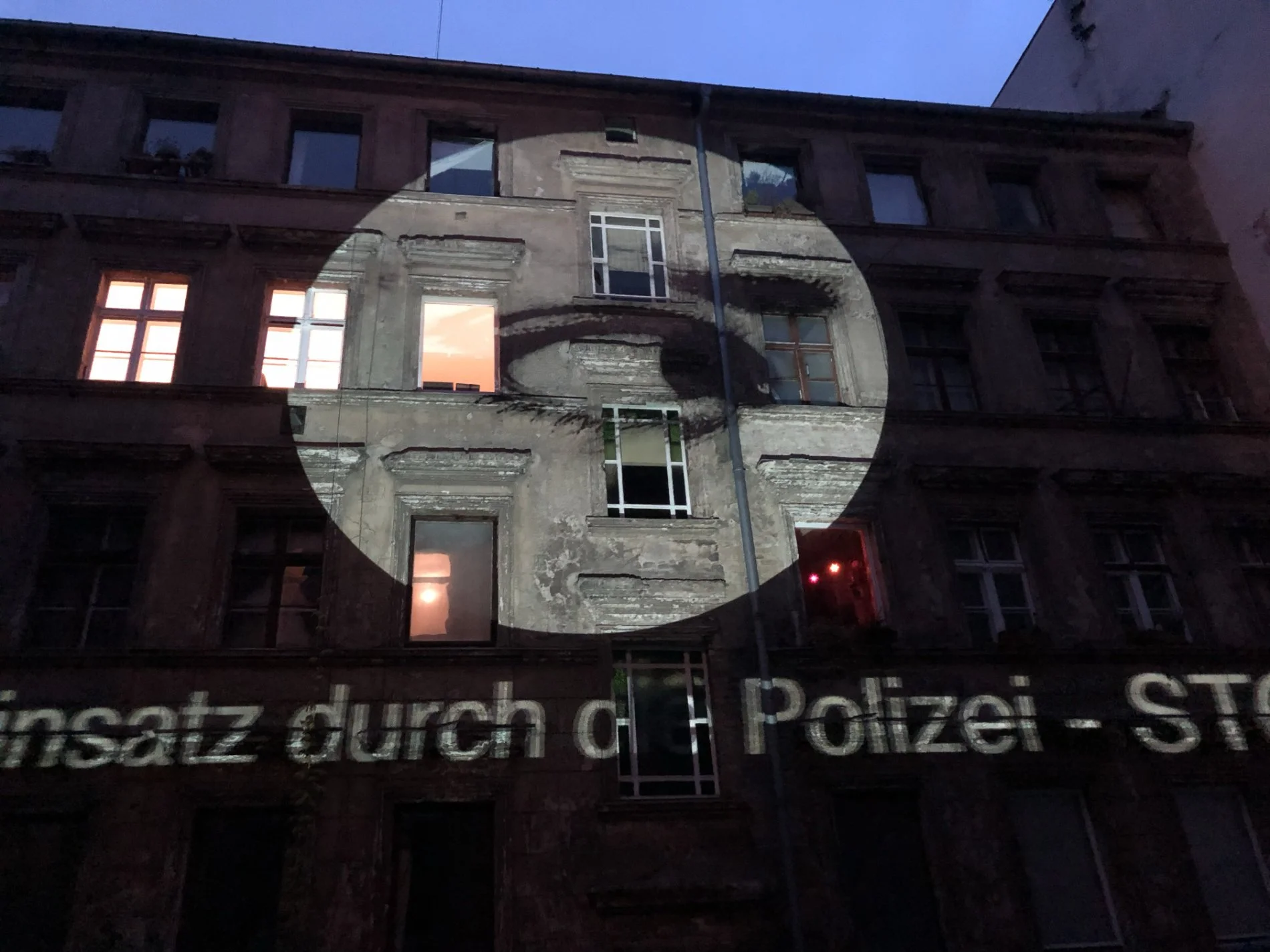
MIRA – WELENTUNGE emerged in response to the Chilean social uprising of 2019, during which hundreds of demonstrators suffered severe and permanent eye injuries as a result of violence perpetrated by state security forces. The work arose from the need to create, through art, a space for reflection on human rights and collective memory.
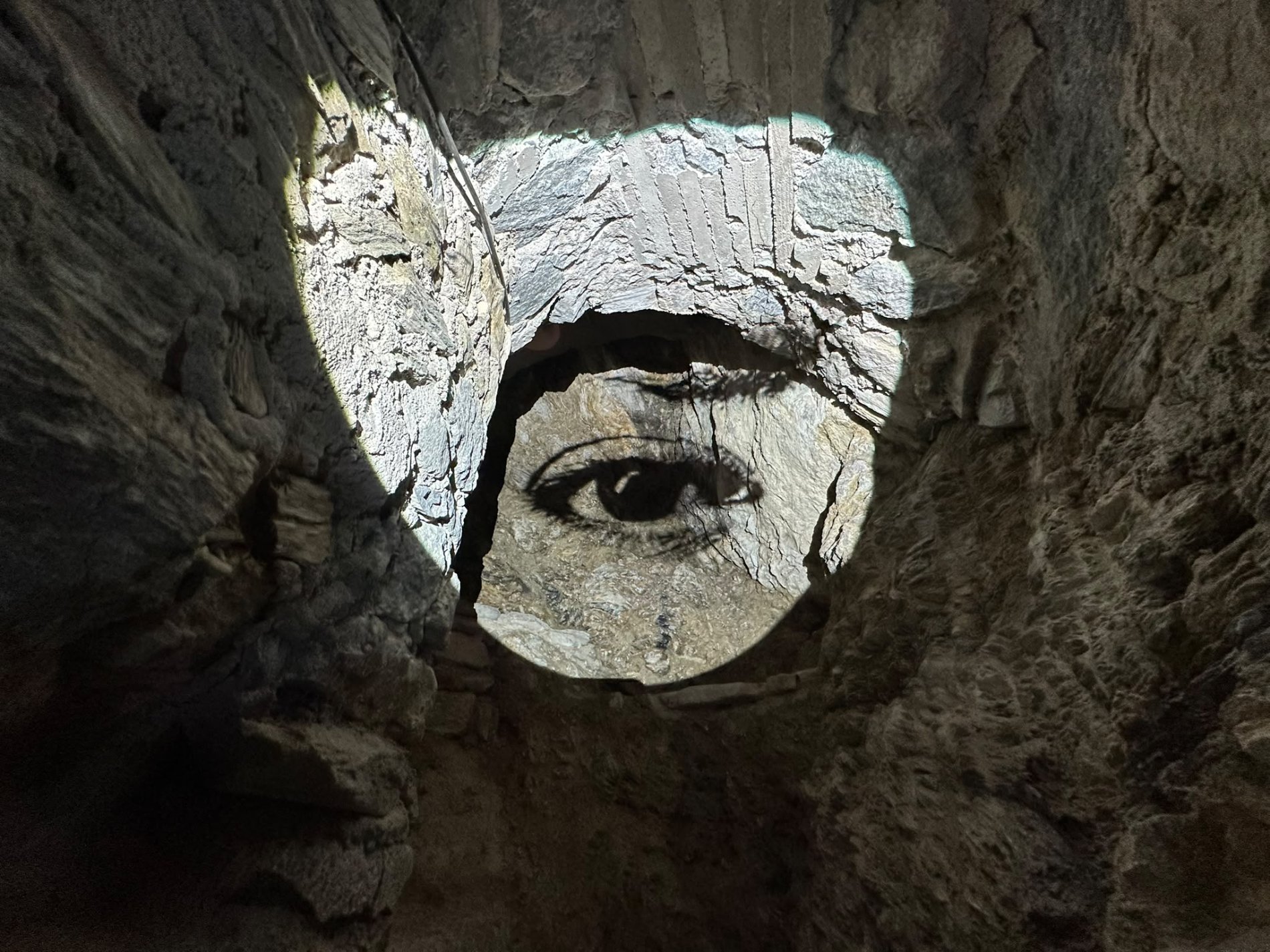
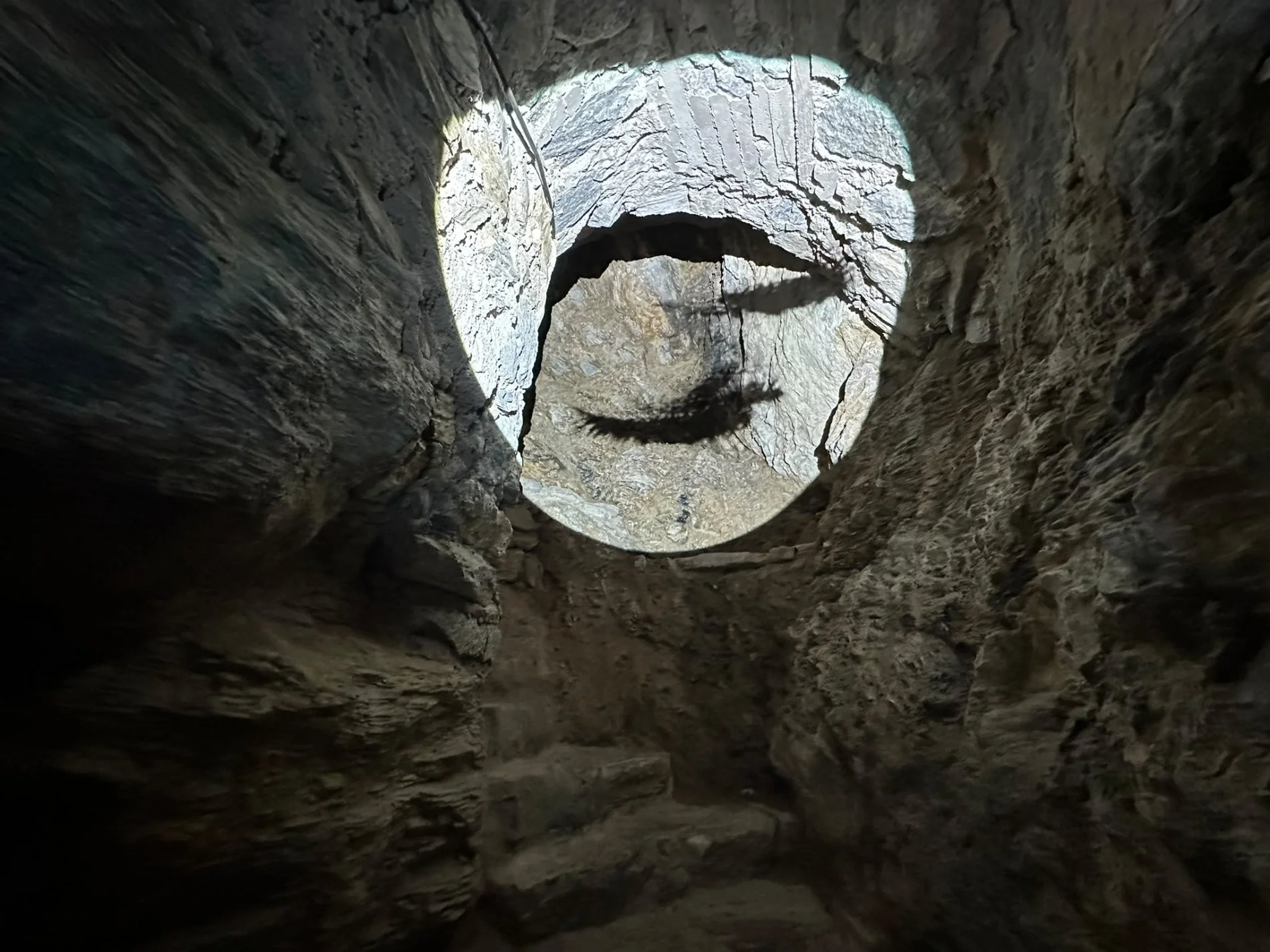
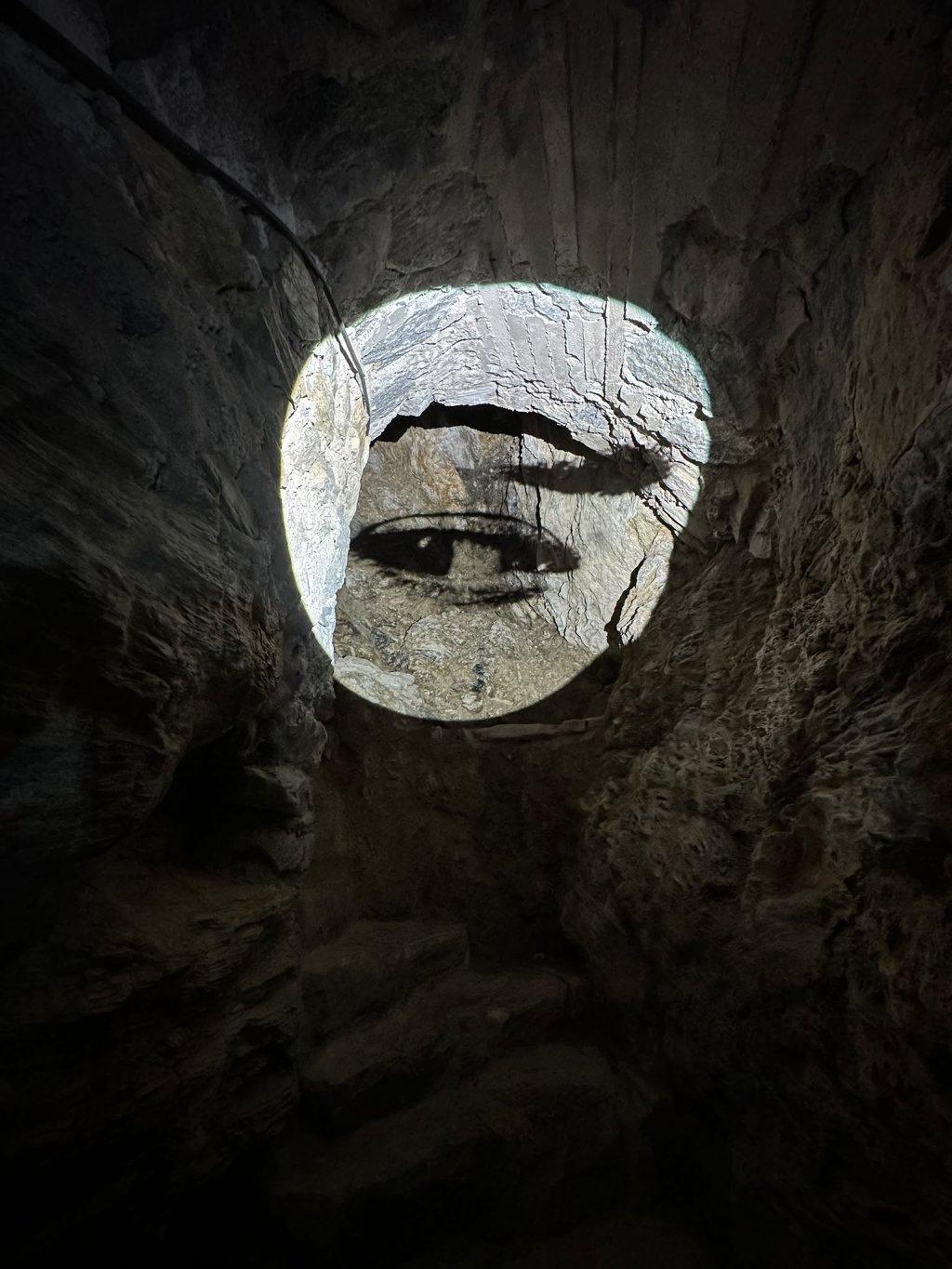
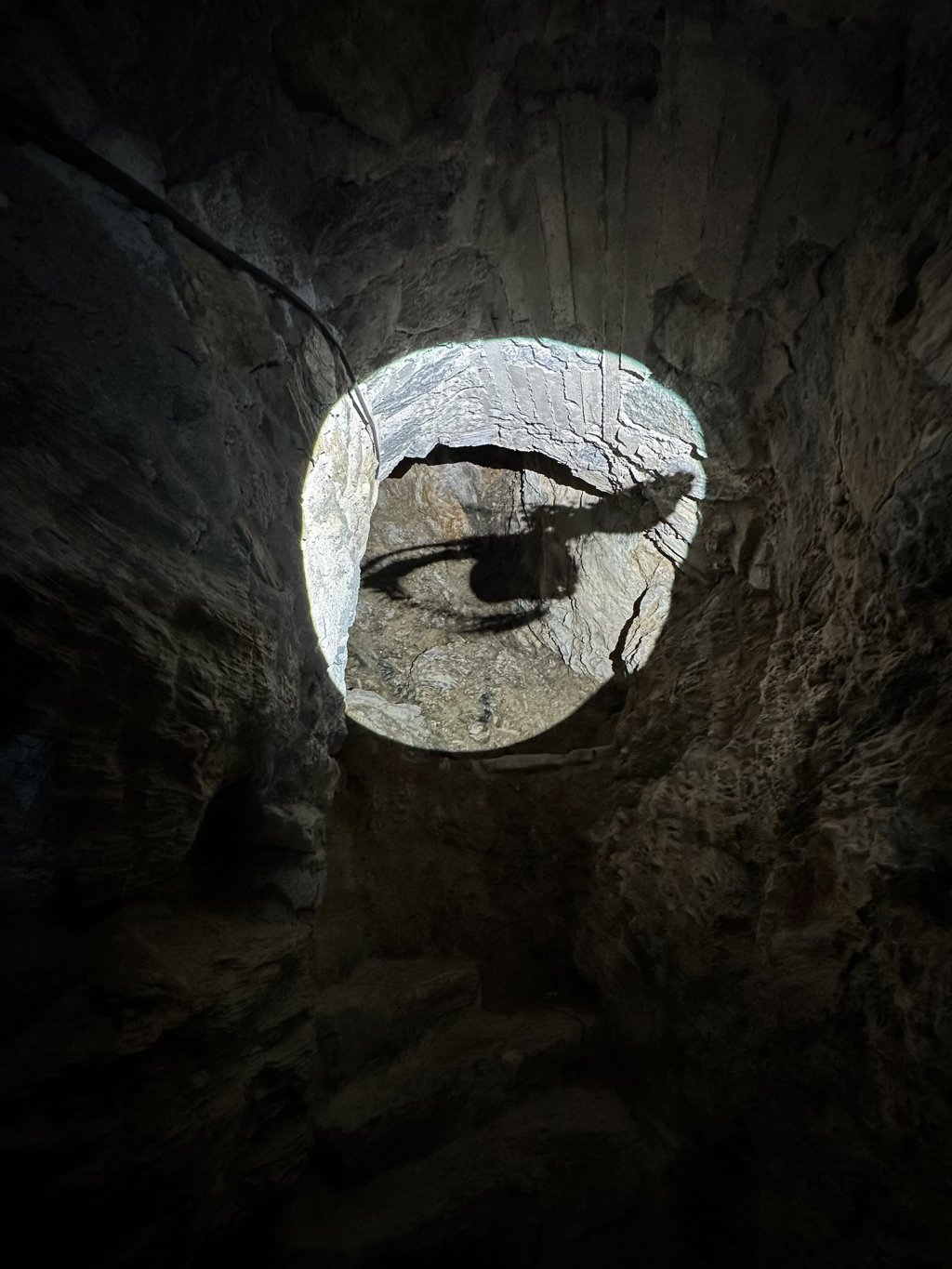
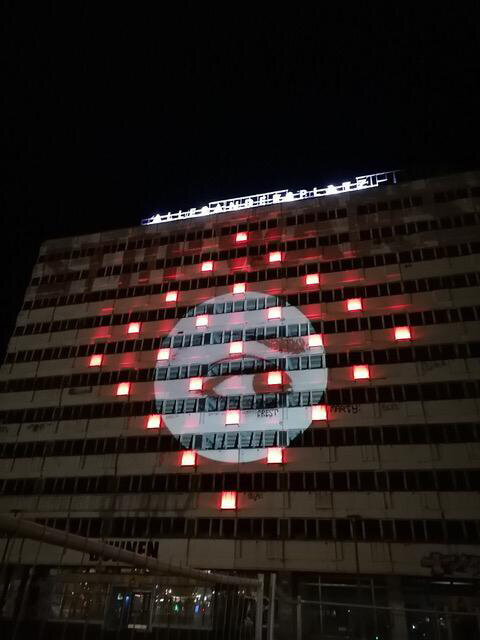
At the centre of the projection, a human eye confronts the sight of a firearm. The image transforms the act of looking into a condition of vulnerability: the eye becomes witness, target and living archive simultaneously. Rather than reconstructing a historical event, the installation transforms that wound into a presence that continues to confront the viewer.
The spoken text is deliberately presented in Mapudungun, the language of the Mapuche people, in collaboration with Mapudungun teacher and naturalist Neftalí Carinao. By displacing Spanish as the dominant language, the work connects the memory of recent violence with a much longer history of cultural resistance, displacement and survival.
The title combines the Spanish word Mira, referring both to the imperative "Look!" and to the sight of a firearm, with the Mapudungun word Welentunge, creating a dialogue between languages, memories and different ways of seeing the world.
| Year | 2019 – ongoing |
|---|---|
| Format | Video installation / Site-responsive projection |
| Media | Video, projection, sound and spoken language |
| Dimensions | Variable, adapted to the exhibition space |
| Language | Mapudungun |
| Duration | Continuous loop | Location | Adaptable to museums, galleries, festivals and site-responsive contexts |
| Availability | Available for exhibitions, festivals and commissioned presentations, subject to confirmation |
| Credits |
Concept & Artistic Direction:
Marjorie Chau
Mapudungun Collaboration:
Neftalí Carinao
Curator:
Rodolfo Andaur
Residency & Production:
Ko-Panqui
|
Chronology
July 2026 — Stilfs Cave Installation, Stilfs, Italy
October 2020 — Conexión Chile, First Anniversary, Alexanderplatz, Berlin, Germany
2019–2020 — Research and Development, Ko-Panqui, Araucanía Region, Chile
-
The Eye as Testimony
MIRA – WELENTUNGE takes the Chilean social uprising that began in October 2019 as its point of departure. During the protests, the eye became one of the most painful symbols of state violence after hundreds of demonstrators sustained severe ocular injuries.
Within the installation, the eye is no longer merely an organ of vision. It becomes a witness, a political body and a living archive. Rather than remaining tied to a single historical moment, the work poses a question that reaches far beyond the Chilean context:
What remains visible when others attempt to erase memory?
Language as Memory and Resistance
Language forms a second essential layer of the installation.
The decision to present the spoken text in Mapudungun, rather than Spanish, reflects a desire to shift the dominant voice and allow another memory to speak. Developed in collaboration with Mapudungun teacher and naturalist Neftalí Carinao, the translation connects recent violence with a much longer history of resistance, displacement and survival experienced by the Mapuche people.
More than a linguistic choice, Mapudungun becomes a living territory where knowledge, memory and ways of understanding the world continue to exist despite centuries of repression.
Memory as Resistance
For Marjorie Chau, resilience does not simply mean survival. It means keeping memory alive wherever violence attempts to silence it. It is the capacity to remember, to resist and to transmit history from one generation to the next.
Resilience cannot replace justice. It can, however, prevent silence from becoming oblivion.
In MIRA – WELENTUNGE, image, spoken word and sound transform the exhibition space into a place where memory remains present. Rather than reconstructing a historical event, the installation keeps open a dialogue about human rights and our shared responsibility to continue looking at what others would rather make disappear.