Trilogie
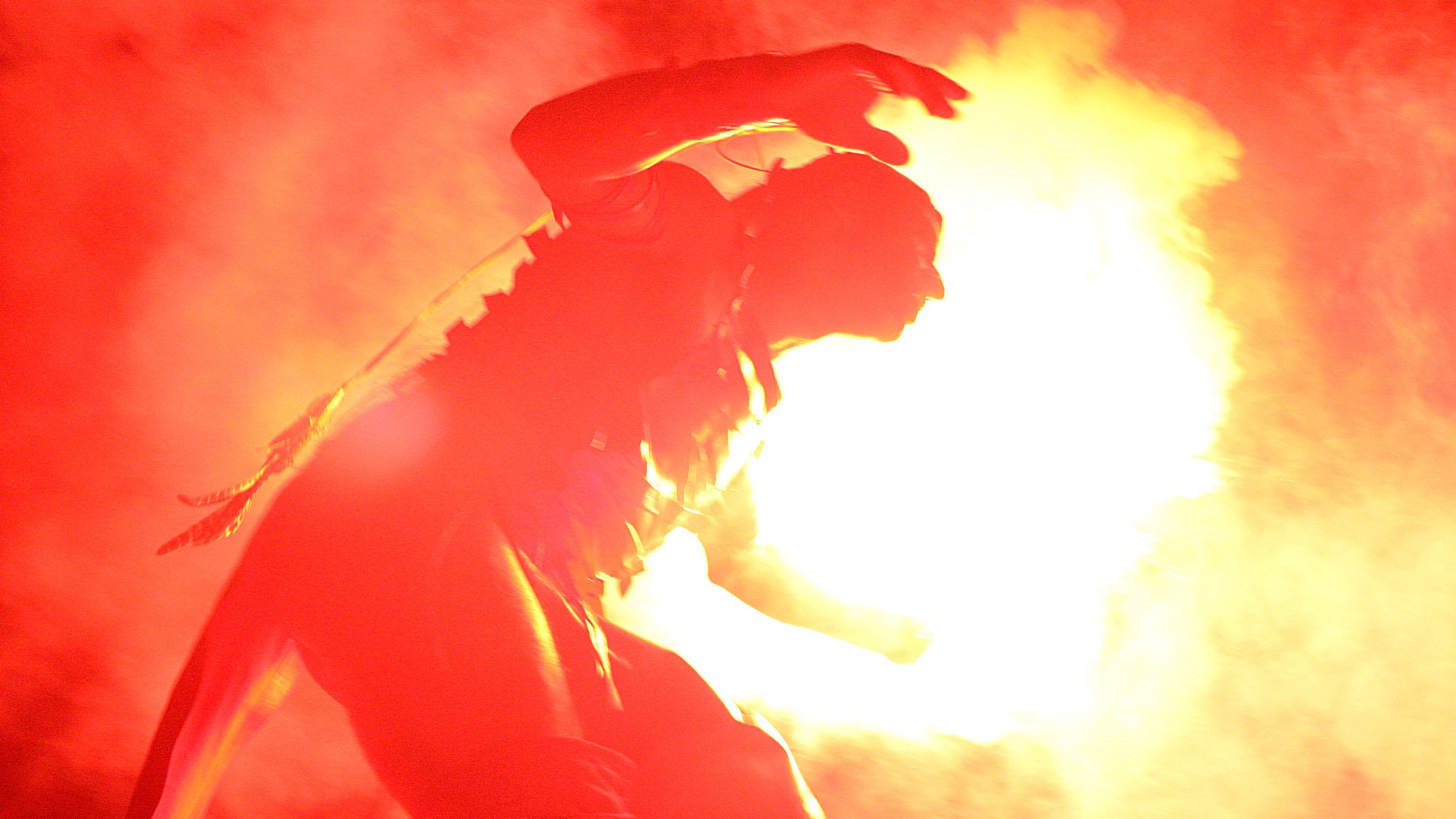
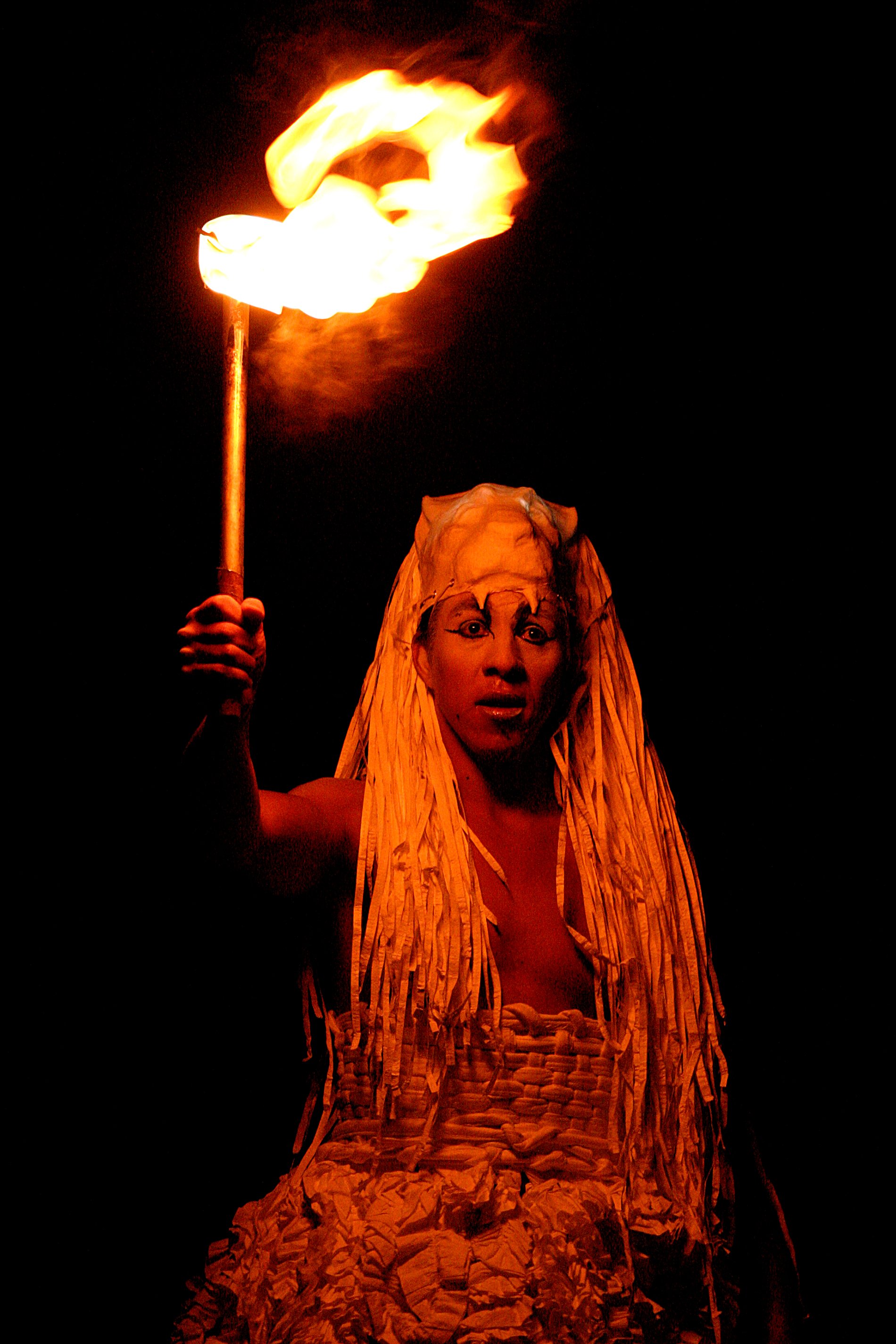
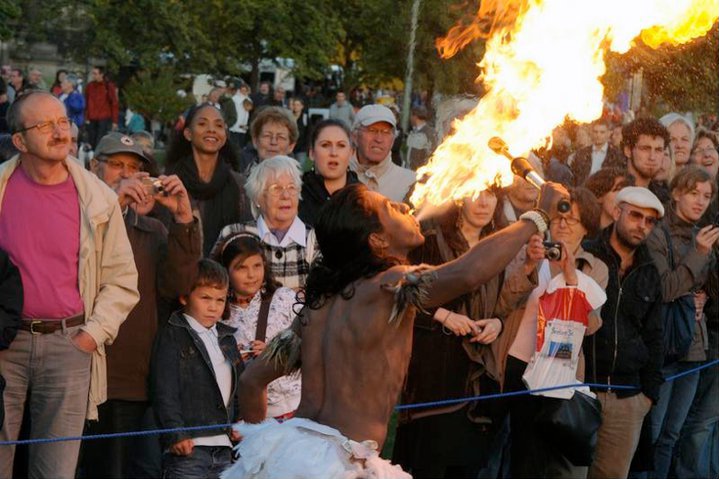
A Butoh-inspired performance that transforms historical memory, Indigenous worldviews, and cultural resistance into a universe of monumental figures. Through sculptural costumes, stilts, fire, light, and movement, Trilogy brings ancestral bodies, animals, and presences back into the public space—beings that history once sought to silence.



Details
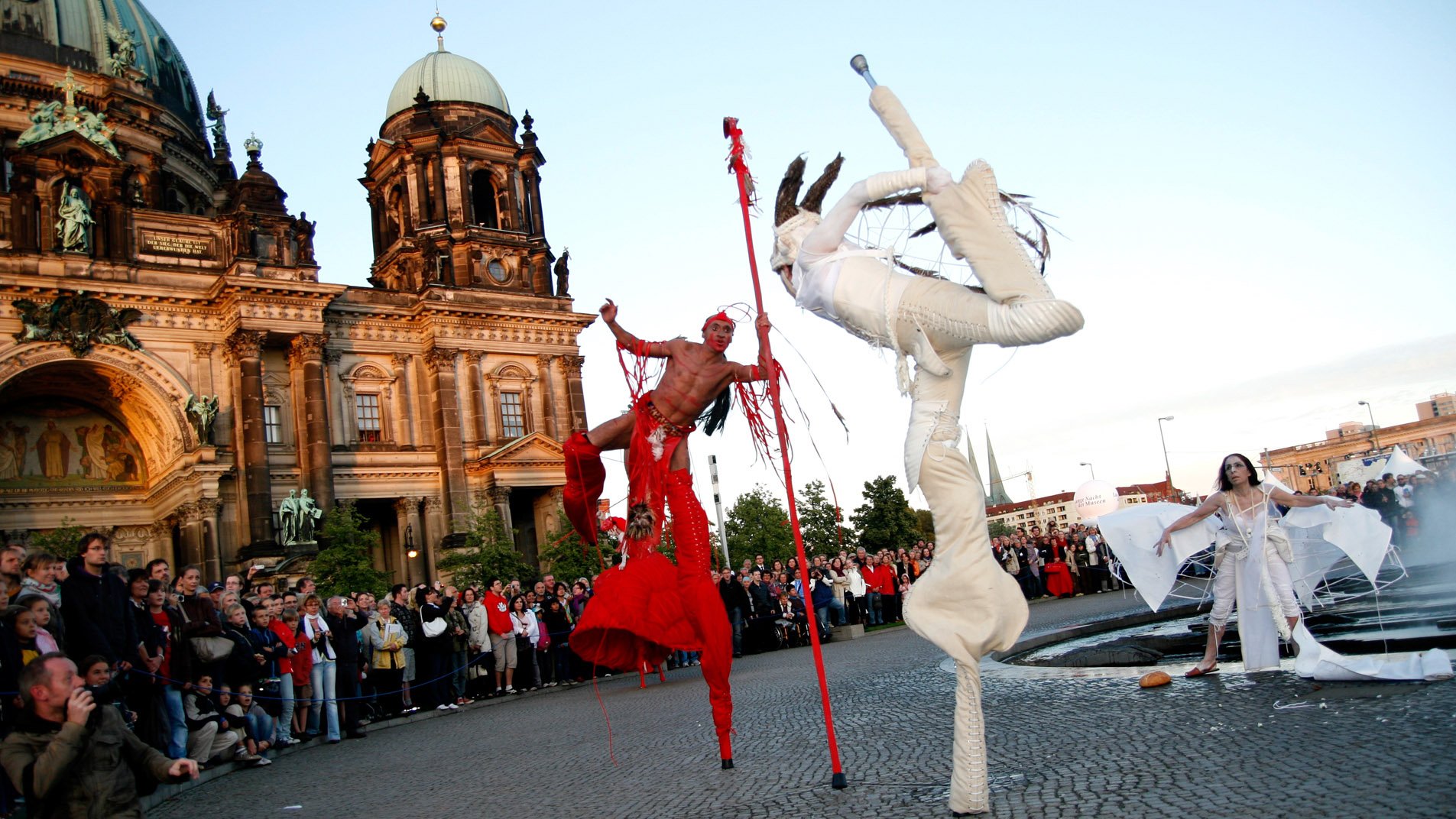
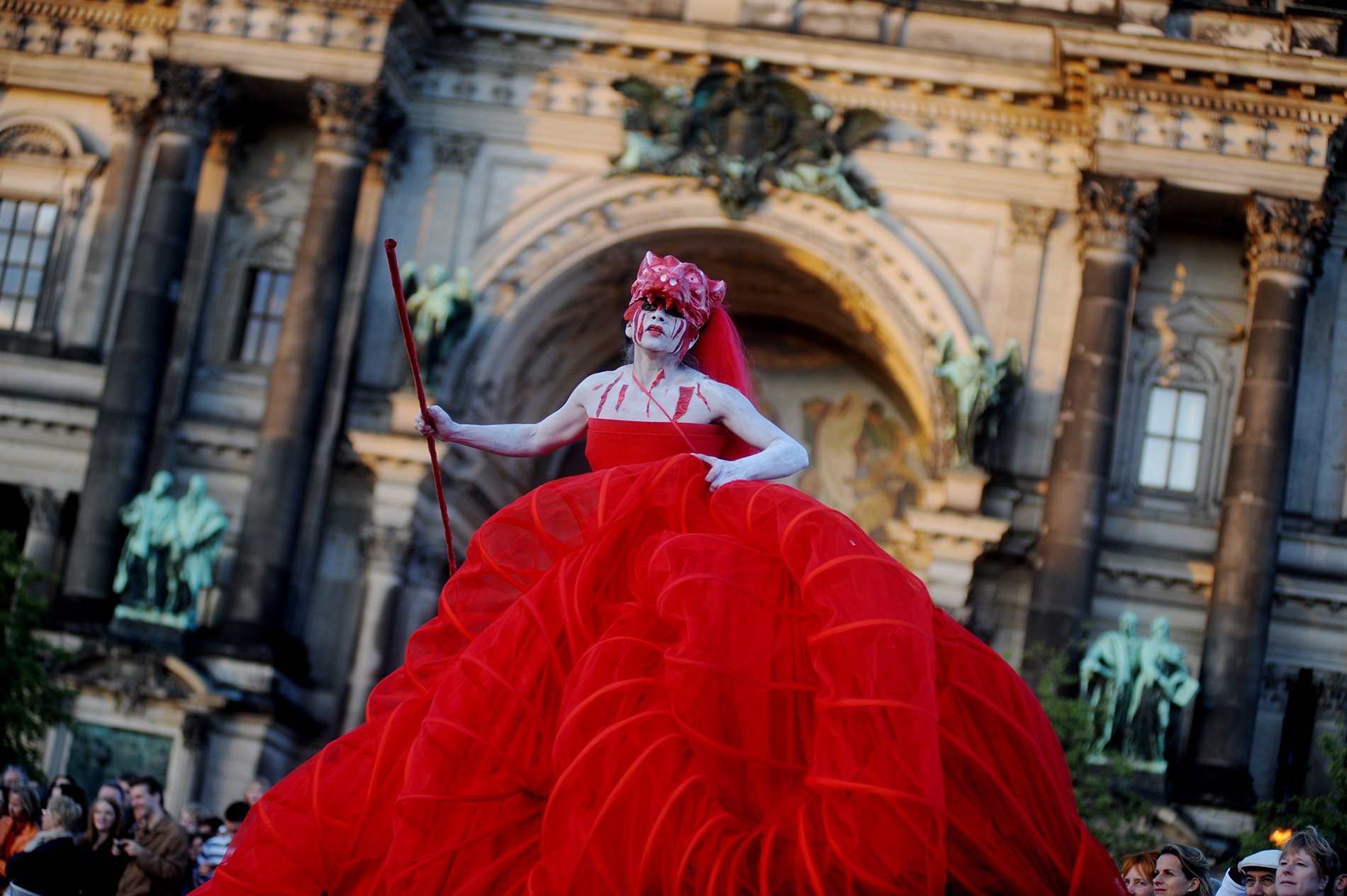
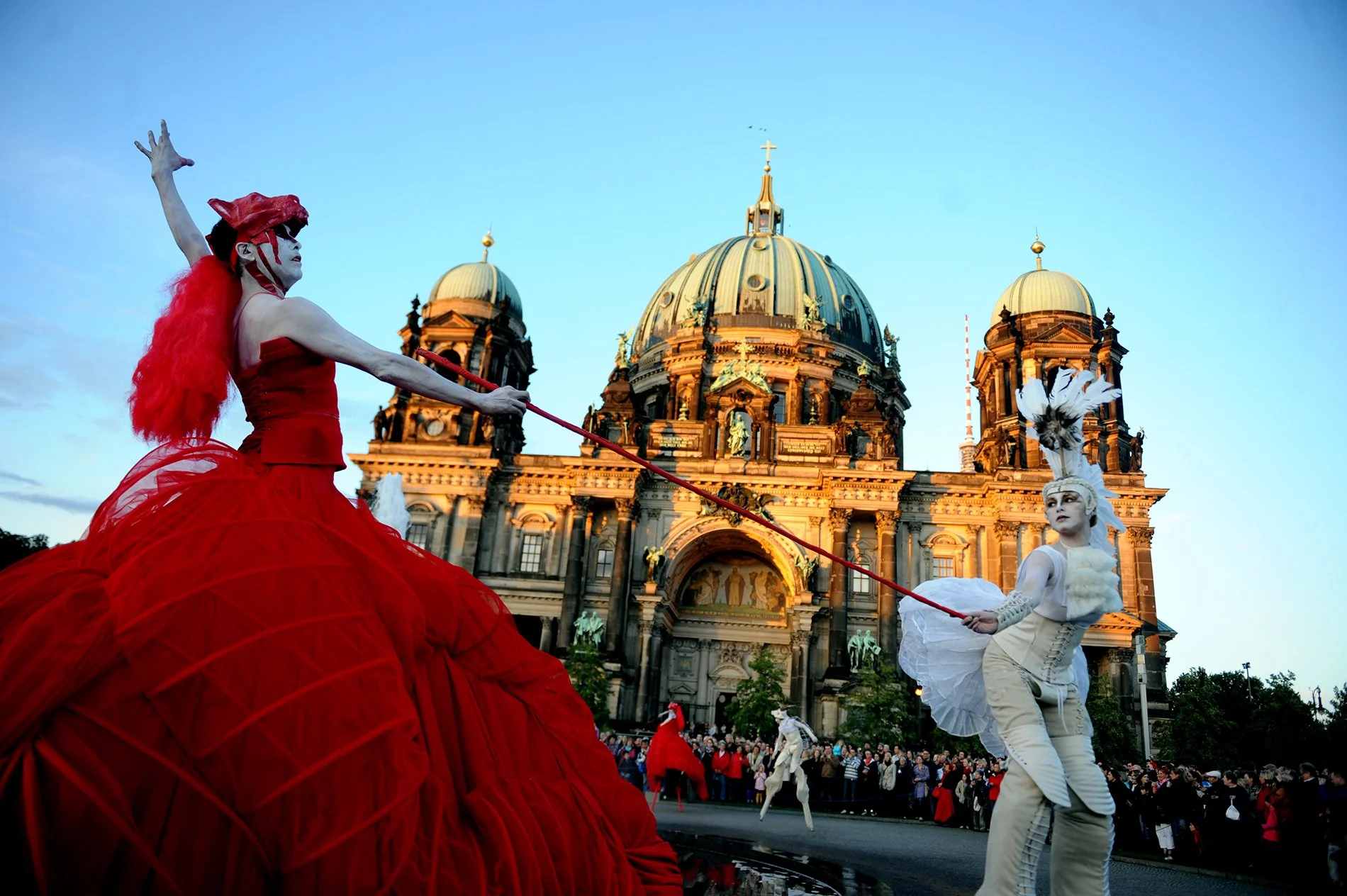
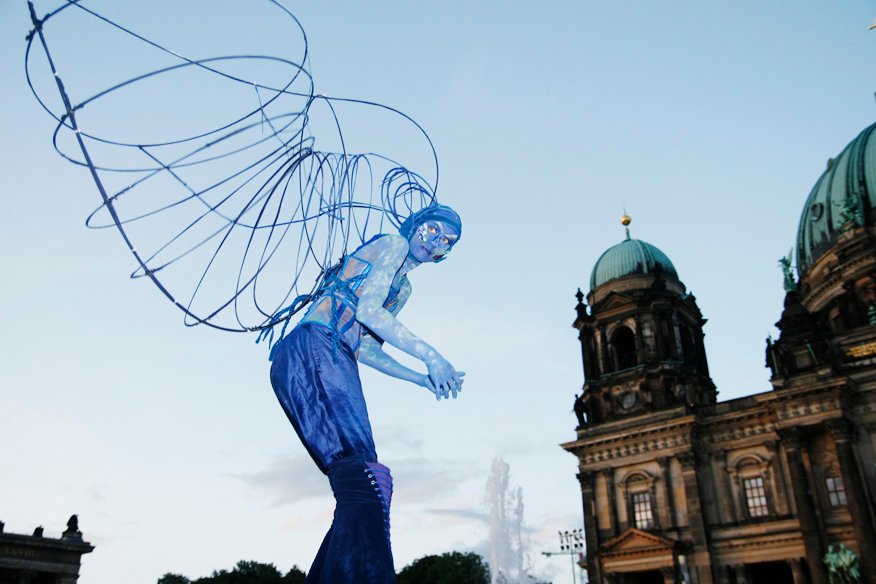
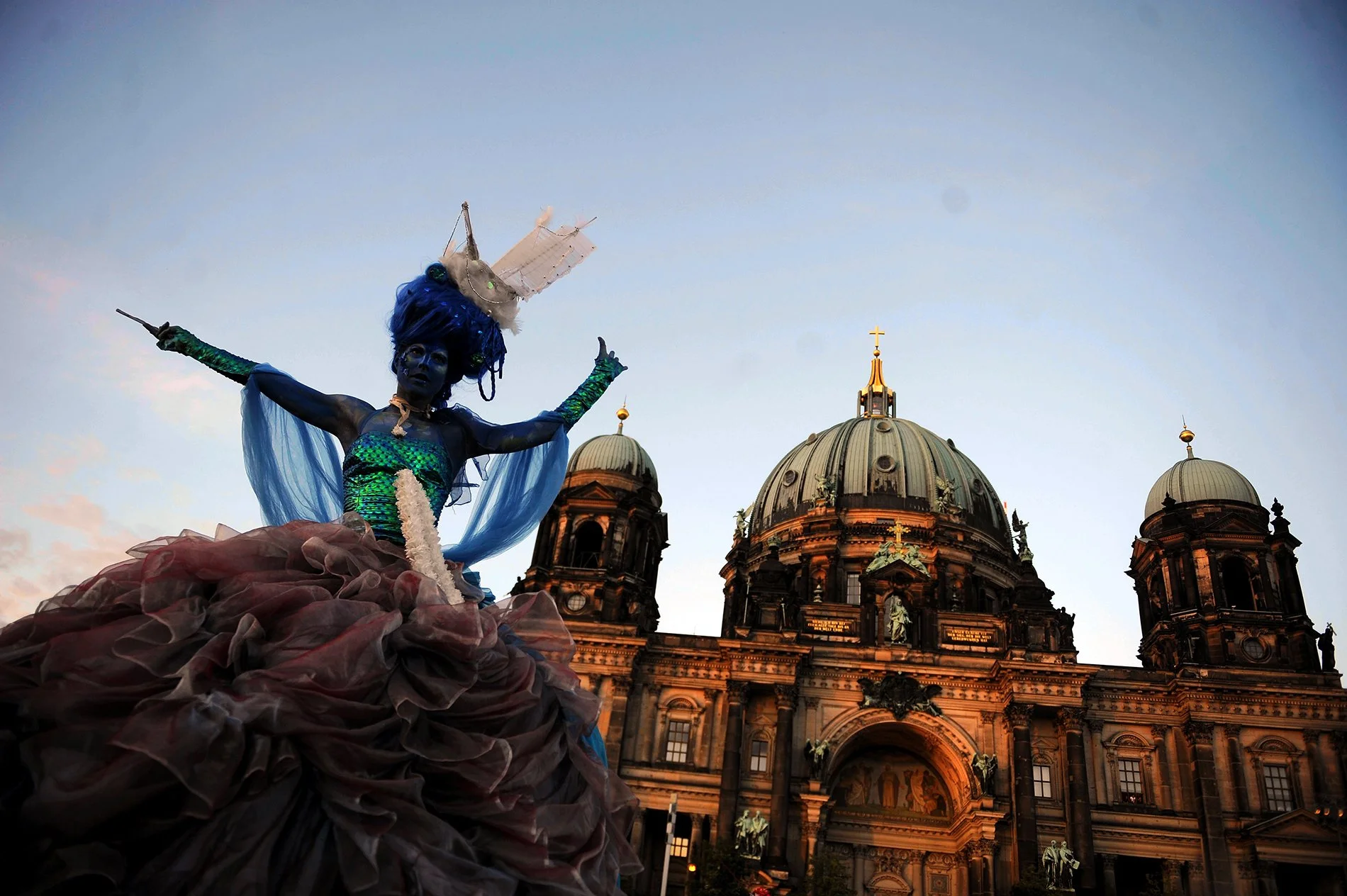
Trilogy is a collective performance in which the body becomes both a monumental presence and a territory of memory. Towering figures move through fire, light, shadow, and movement on stilts, transforming public space into a ritual landscape where the past becomes visible once again.
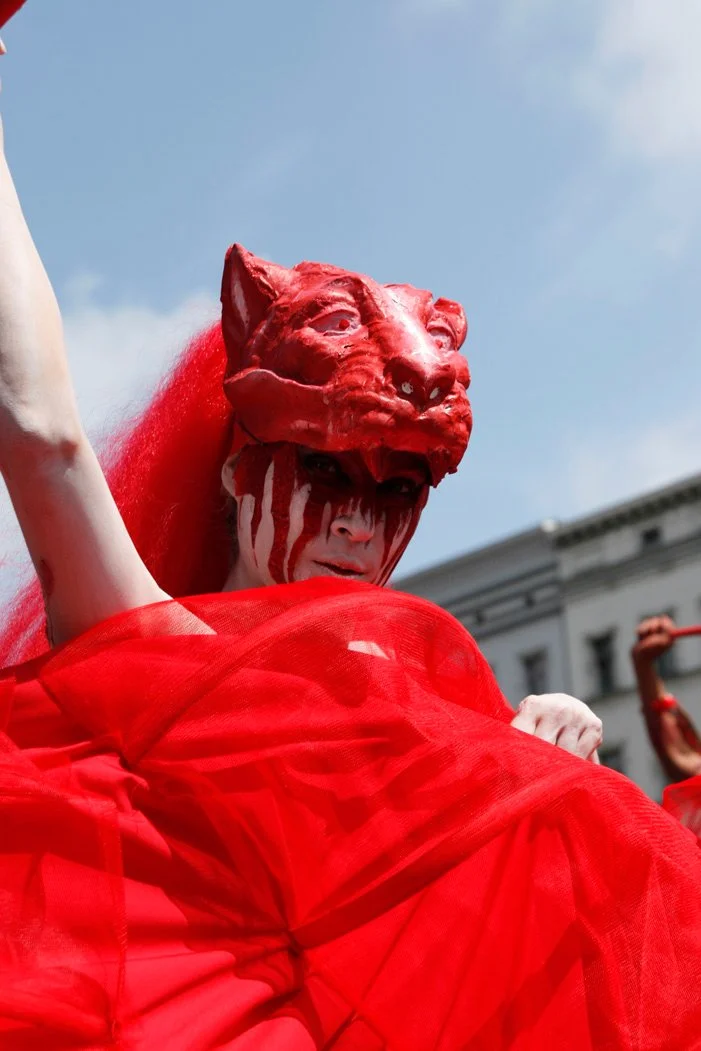
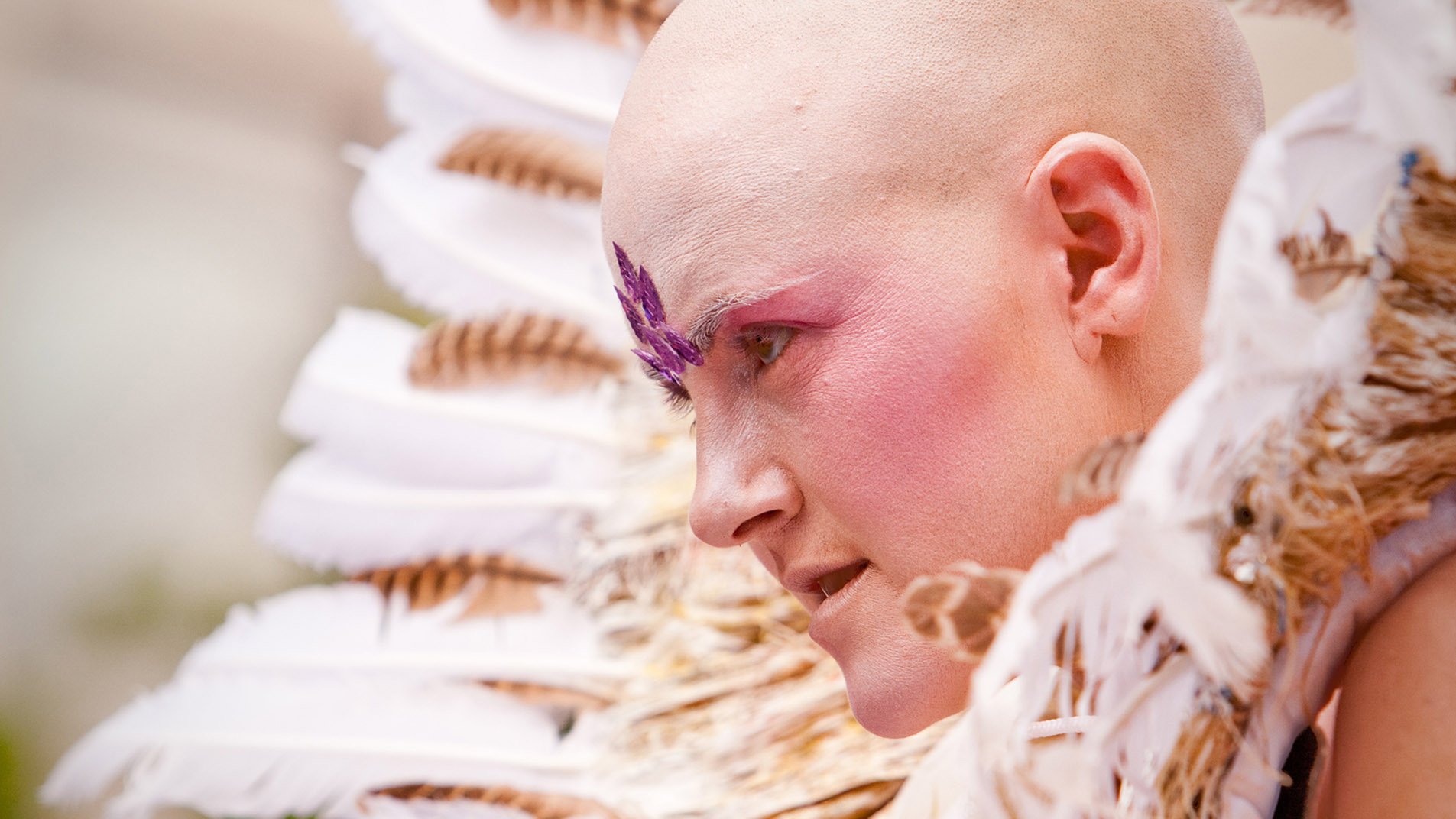
The work brings together ceremonial characters, symbolic animals, and figures inspired by the Indigenous cultures of Chile. Machis, pumas, condors, and pudús appear alongside presences that evoke the Selk'nam (Ona) people, creating a universe where the human, the animal, the mythical, and the historical become inseparable.
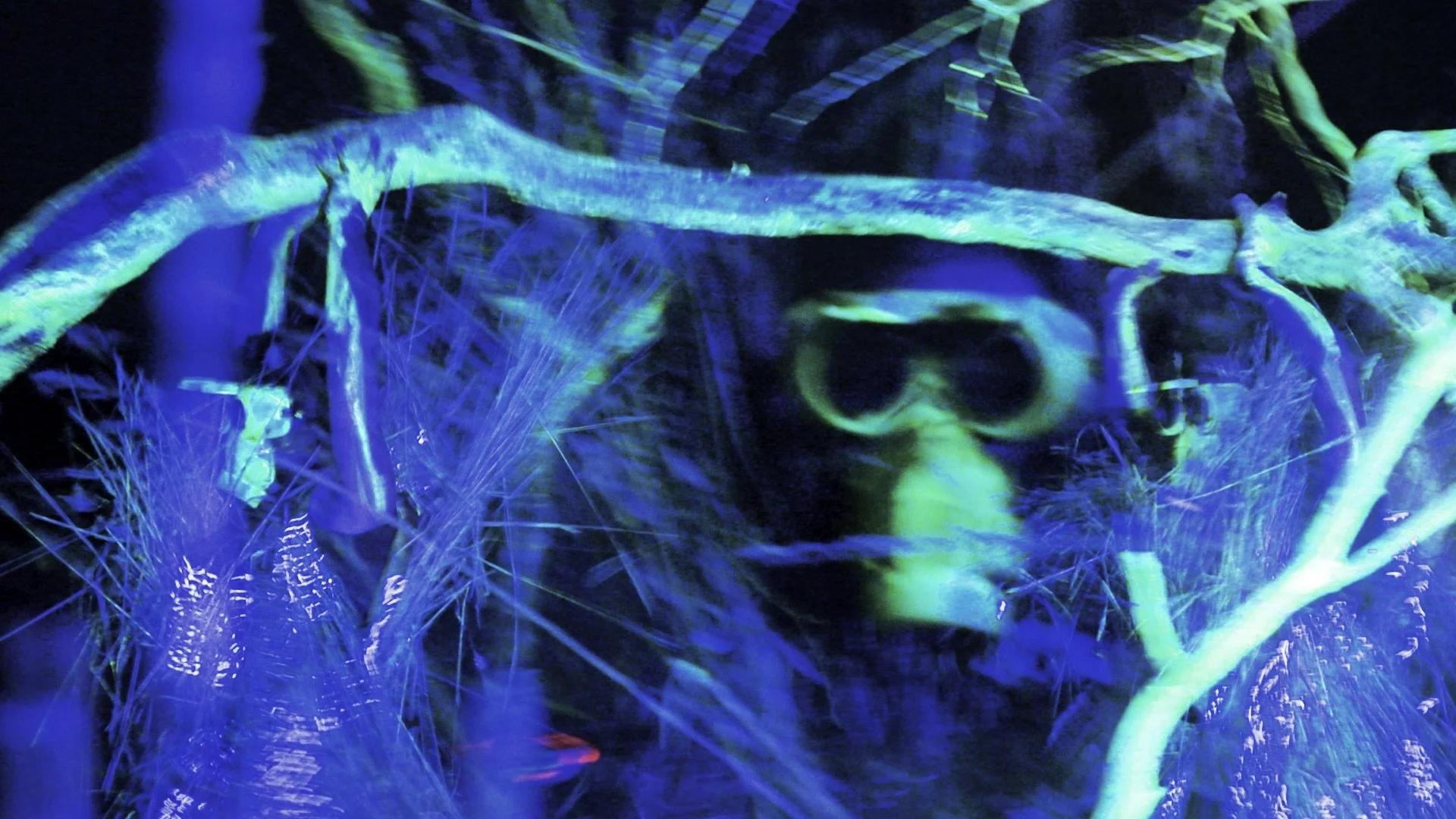
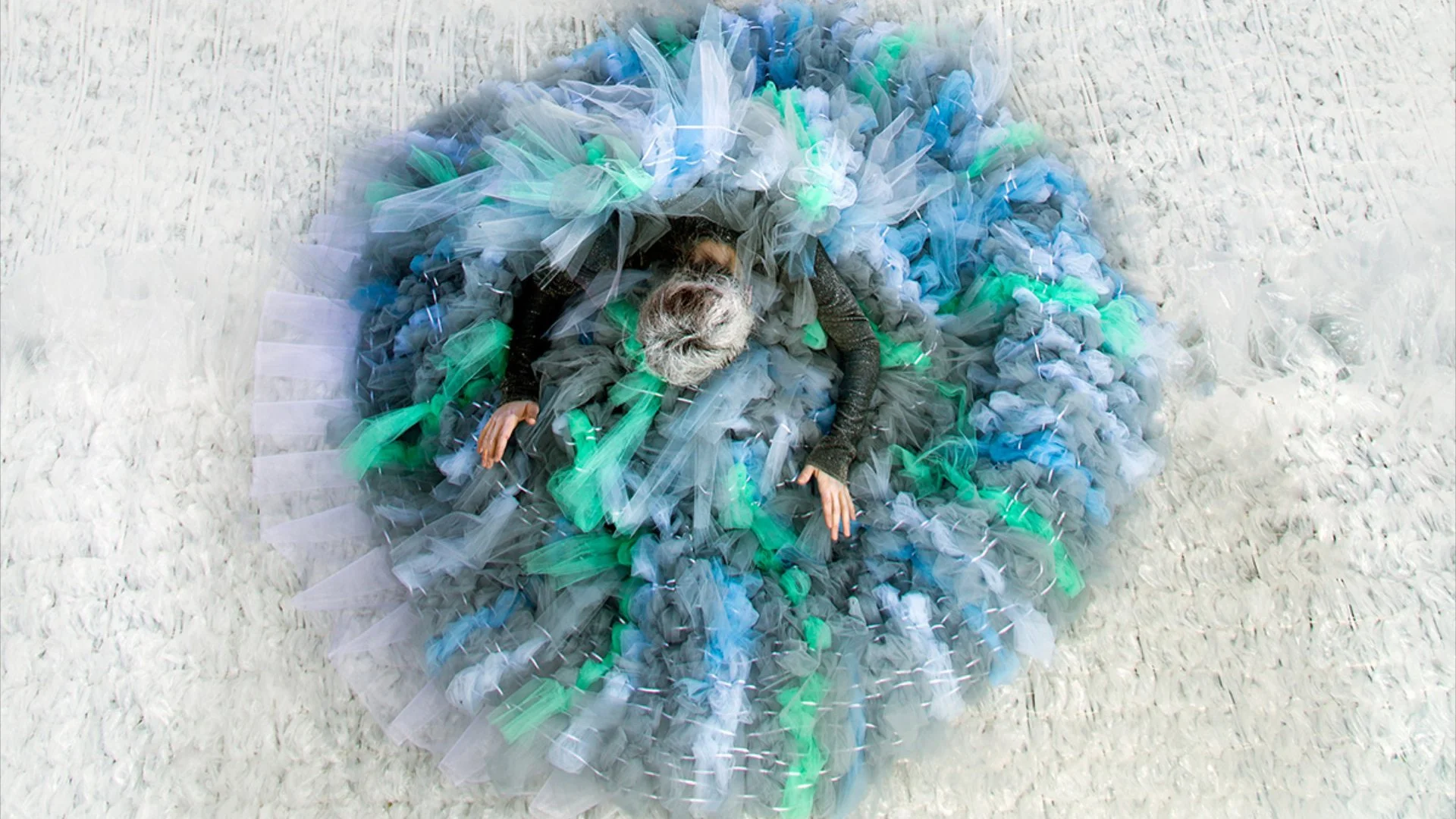
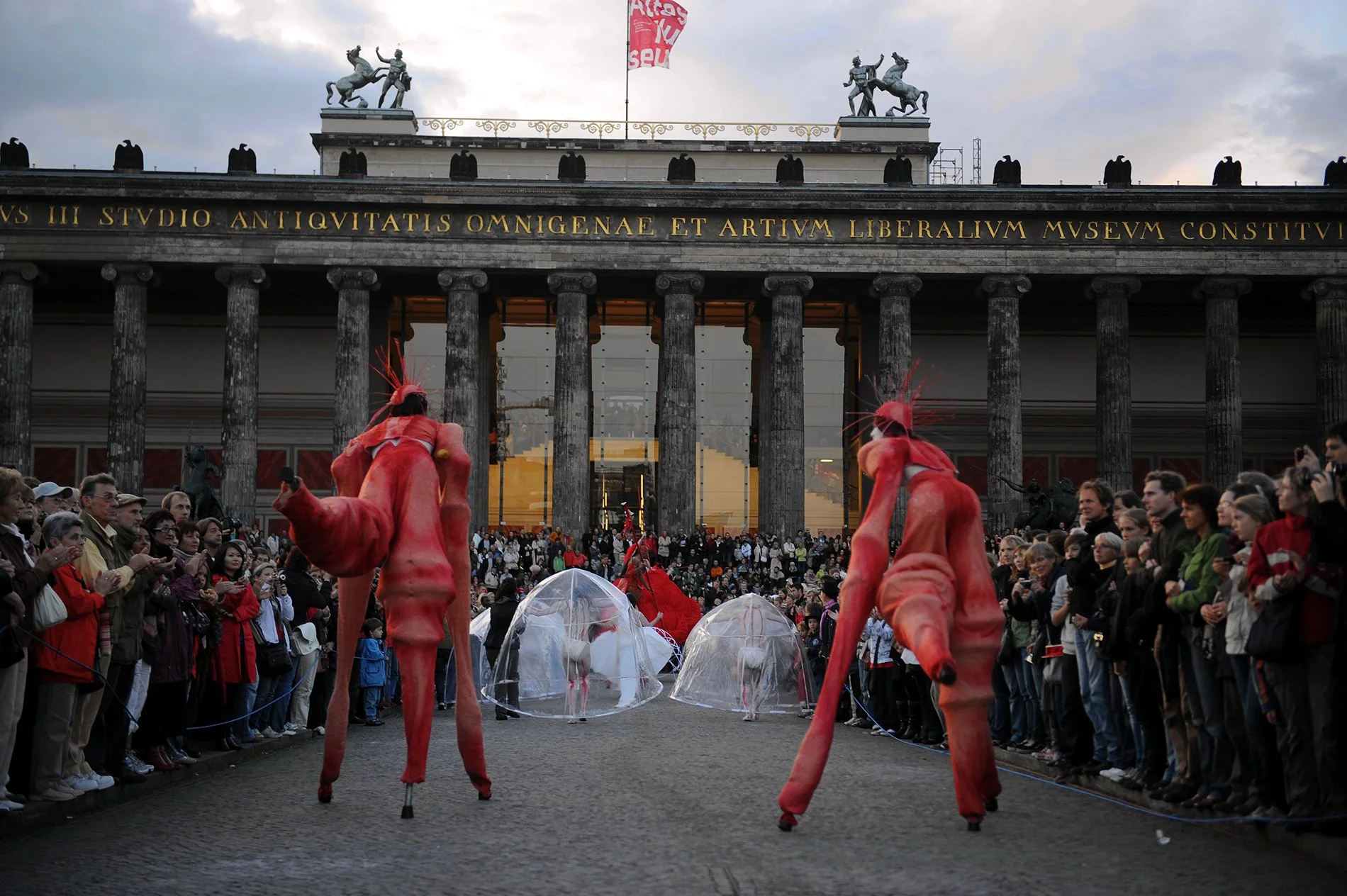
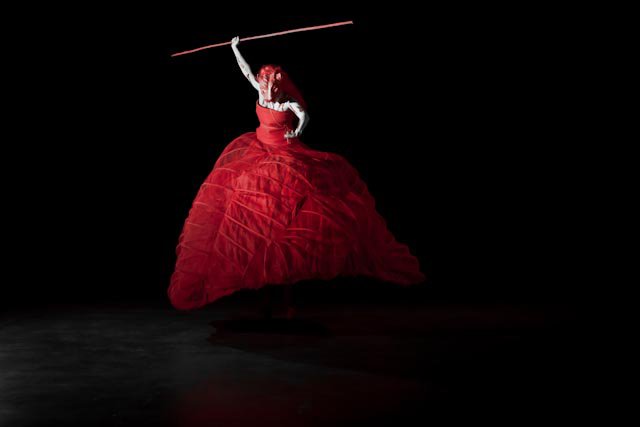
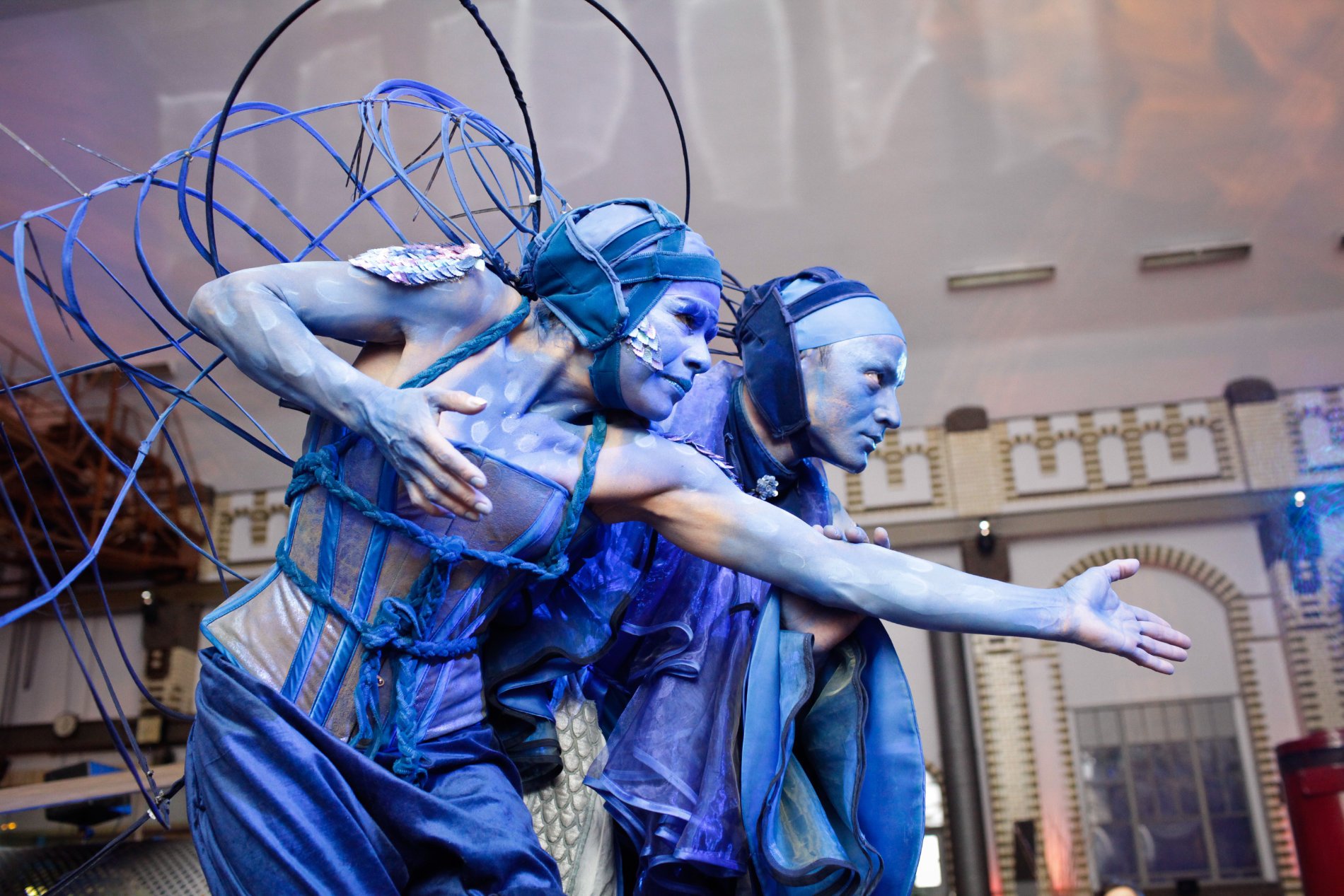
The costumes do not function as accessories, but as inhabitable sculptures that expand both the body and its expressive capacity. Monumental skirts, masks, transparent structures, ceremonial staffs, stilts, and pyrotechnic elements transform the performers into apparitions that move between beauty, menace, and remembrance.
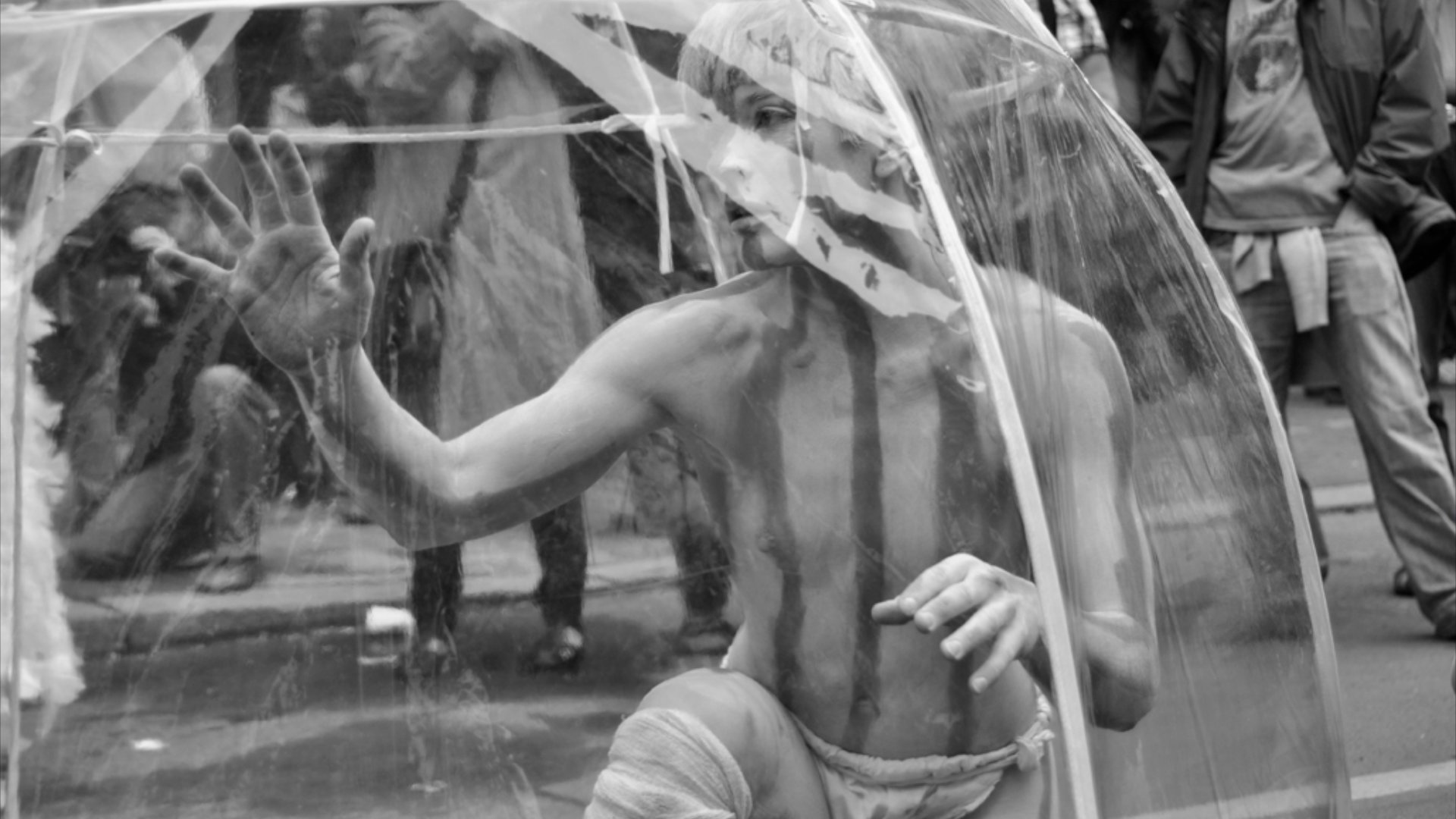
The performance also alludes to the violence inflicted upon Indigenous peoples, particularly the historical exhibition of Indigenous individuals in Europe as ethnographic objects. Some figures appear enclosed within transparent structures, evoking captivity, dehumanization, and the colonial gaze that transformed living human beings into objects of display.
Accompanied by electronic music and poetic fragments by Pablo Neruda, Trilogy does not seek to reconstruct history literally. Instead, it transforms history into a visual and embodied experience in which everything that was persecuted, displaced, or silenced returns to walk before the viewer.
| Year | 2010 – ongoing |
|---|---|
| Format | Site-responsive performance / embodied sculptural practice |
| Media | Sculptural costumes, masks, performance, Butoh-inspired movement, stilts, pyrotechnics, light, electronic sound, and spoken poetry |
| Dimensions | Variable, adapted to the performance space |
| Duration | Variable according to configuration | Location | Adaptable to public spaces, festivals, museums, and institutional contexts |
| Availability | Available for performances, festivals, and commissioned projects, subject to production assessment |
| Credits |
Direction:
Marjorie Chau
Concept & Costume Design:
Marjorie Chau, Gonzalo Oyarzun Riveros
Music:
Paul Bieber (SAUMP)
Voice:
Servullo Mendez, Maria Chavez
Performers:
Nicolas Aguirre, Angeles Aparicio, Birgit Aust, Lucie Biloshypskyy, Marjorie Chau, Gabriel Cunich, Catherine Daniel, David Dinamarca, Mariela Durand, Stephan Eberhard, Katia Echterbecker, Jean Pierre Ehrenreich, Juan España Falcon, Esther Freixa, Martin Gleitsmann, Ayarah Hernandez, Miyako Ishidate, Faezeh Jalali, Thomas Janze, Jana Korb, Ute Niffka, Gonzalo Oyarzun, Jefferson Preto, Tereza Polle, Ramiro de Santiago Marquez, Nadia Meinhardt, Stephanie Scheubeck, Antje Schmidt, Sergio Serrano, André Soares, Patricia Tejos, Herbert Tilly, Detlef Wörner, Goor Zankl, Carola Zuñiga
|
Chronology
2010 — Trilogy, Lange Nacht der Museen, Lustgarten / Museumsinsel, Berlin, Germany
2010 — Karneval der Kulturen, Berlin, Germany — Best Group Award
-
Memory Returns to Walk
Trilogy transforms historical memory into an embodied presence. Its monumental figures traverse public space like apparitions returning to reclaim a place from which they were symbolically and materially erased.
Rather than documenting Indigenous cultures, the work constructs a performative universe in which bodies, animals, colours, and symbols become carriers of stories that continue to shape the present.
Inspired by the philosophy of Butoh, with its relationship to darkness, death, and transformation, the movement suspends these bodies between different temporalities. They belong neither entirely to the past nor to the present, but exist as living memories reclaiming space once more.
The Colours of History
The symbolic structure of Trilogy unfolds through three colours derived from the Chilean flag.
Red represents the blood shed by the Mapuche people and other Indigenous communities who resisted the processes of colonization.
Blue embodies the historical and political forces associated with that violence.
White belongs to the mythological, animal, and spiritual presences that survive as guardians of memory.
In this way, the colours cease to function as stable patriotic symbols and instead become fields of tension through which Chilean history can be critically reconsidered.
The Body as Archive
In Trilogy, the body preserves what official narratives have omitted. Sculptural costumes, masks, stilts, and fire transform each performer into a living archive where memory, violence, resistance, and transformation intersect.
The figures inspired by the Selk'nam people also evoke the history of Indigenous individuals who were transported to Europe and exhibited under a colonial gaze. Enclosed within transparent structures resembling display cases or fragile bubbles, the performance confronts the viewer with the transformation of human beings into objects of exhibition.
The body therefore ceases to be merely the support of the artwork. It becomes the place where history re-emerges, demands to be seen, and makes itself present once again.
How can a collective memory reclaim its place when history has sought to confine it, exhibit it, or erase it altogether?