Noptico
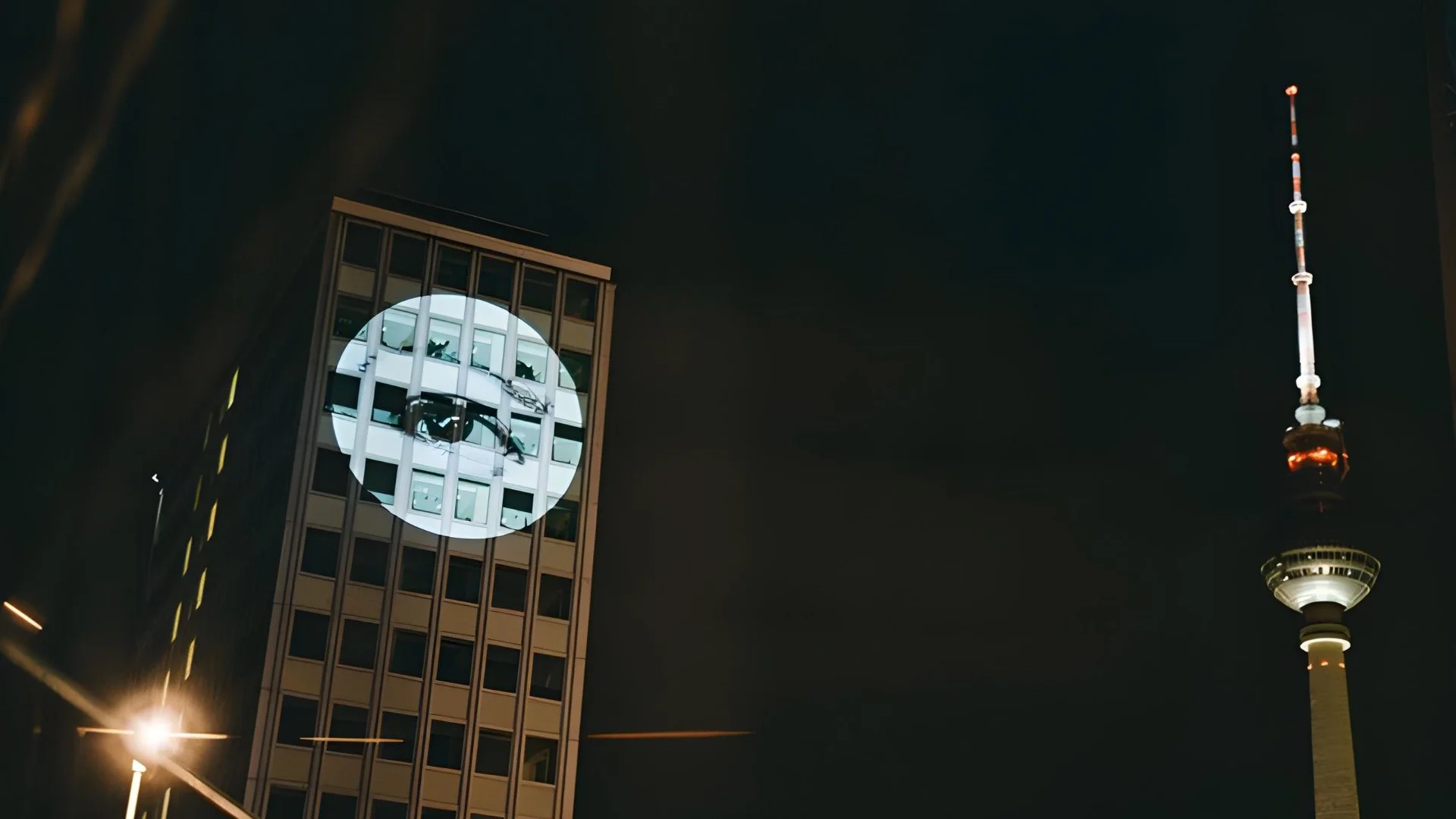
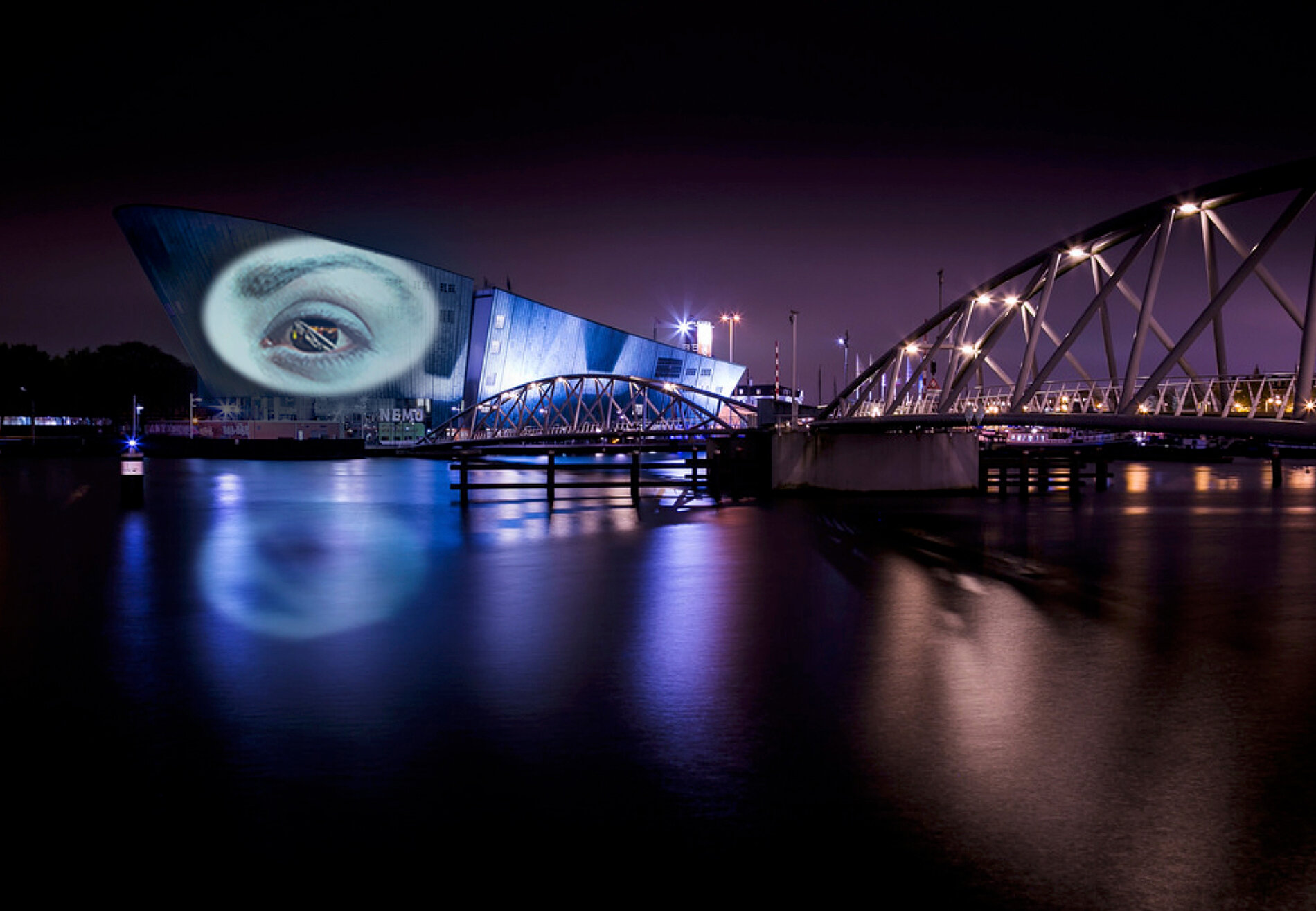
An interactive installation that explores the transformation of the gaze in the digital age. Through video mapping, computer vision, live imagery and performance, Noptico invites visitors to experience the fragile boundary between observing, being observed, and constructing our own identity under the presence of a constant gaze.



Details
Noptico is an interactive installation that investigates the relationship between perception, surveillance and identity.
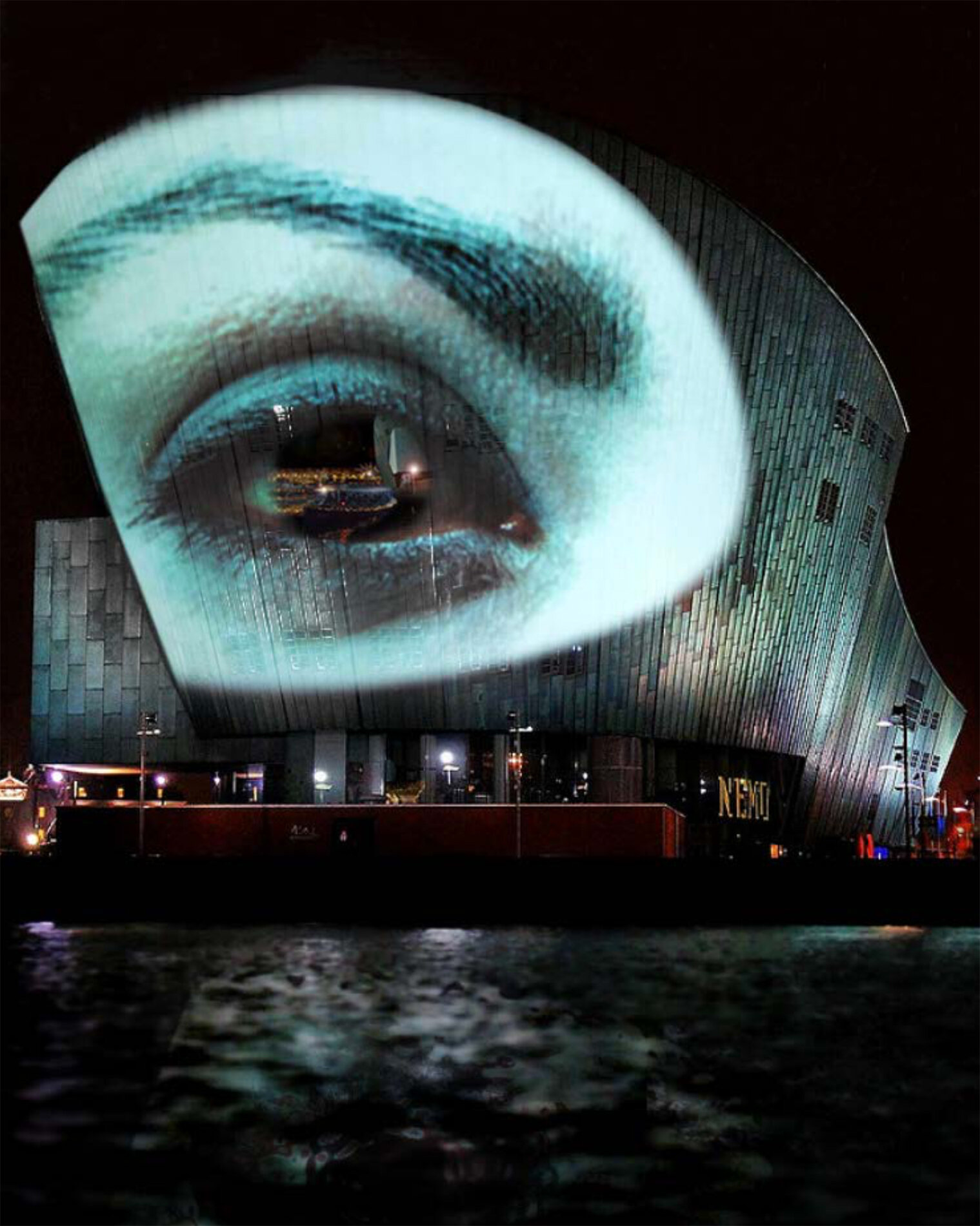
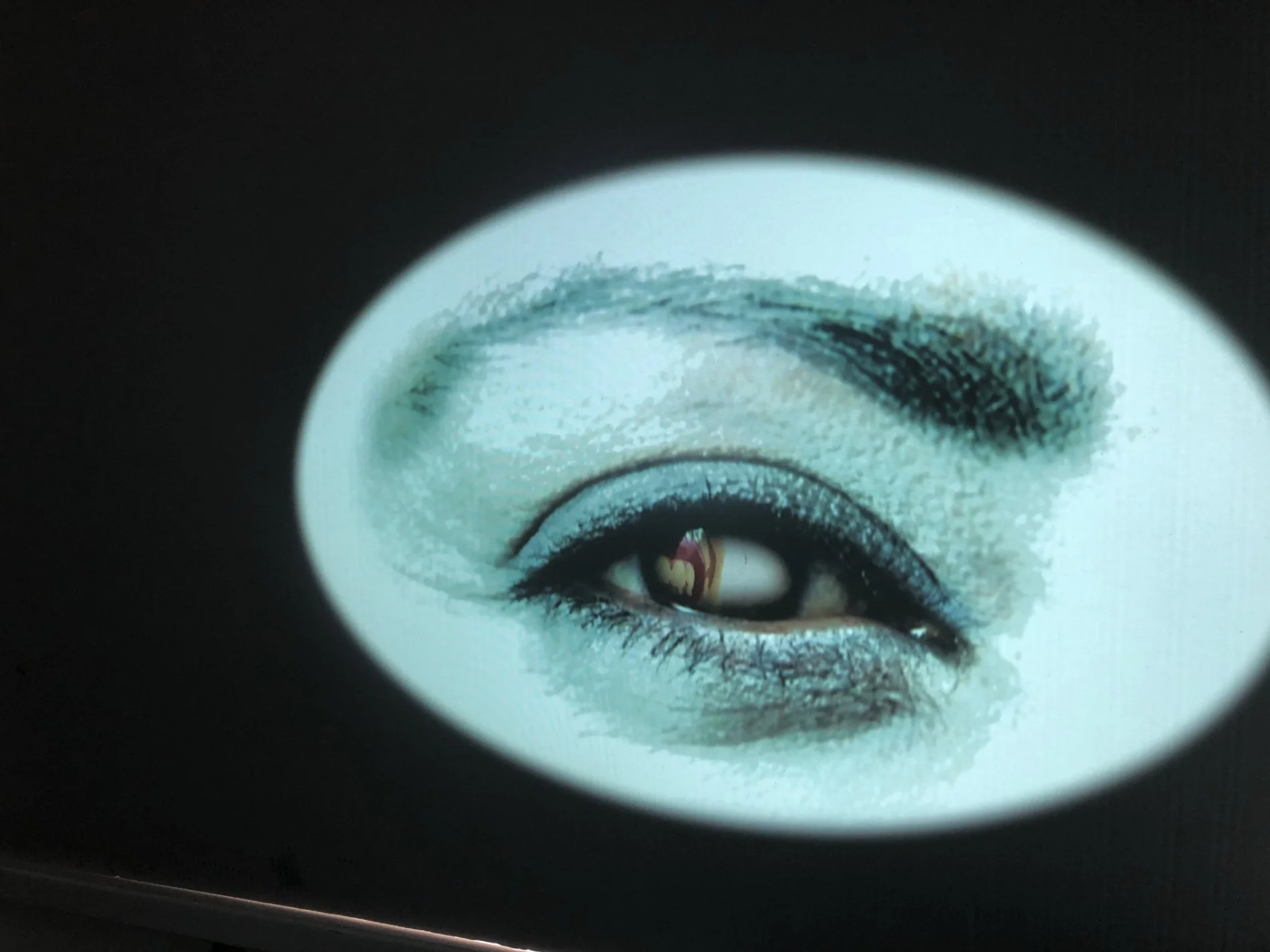
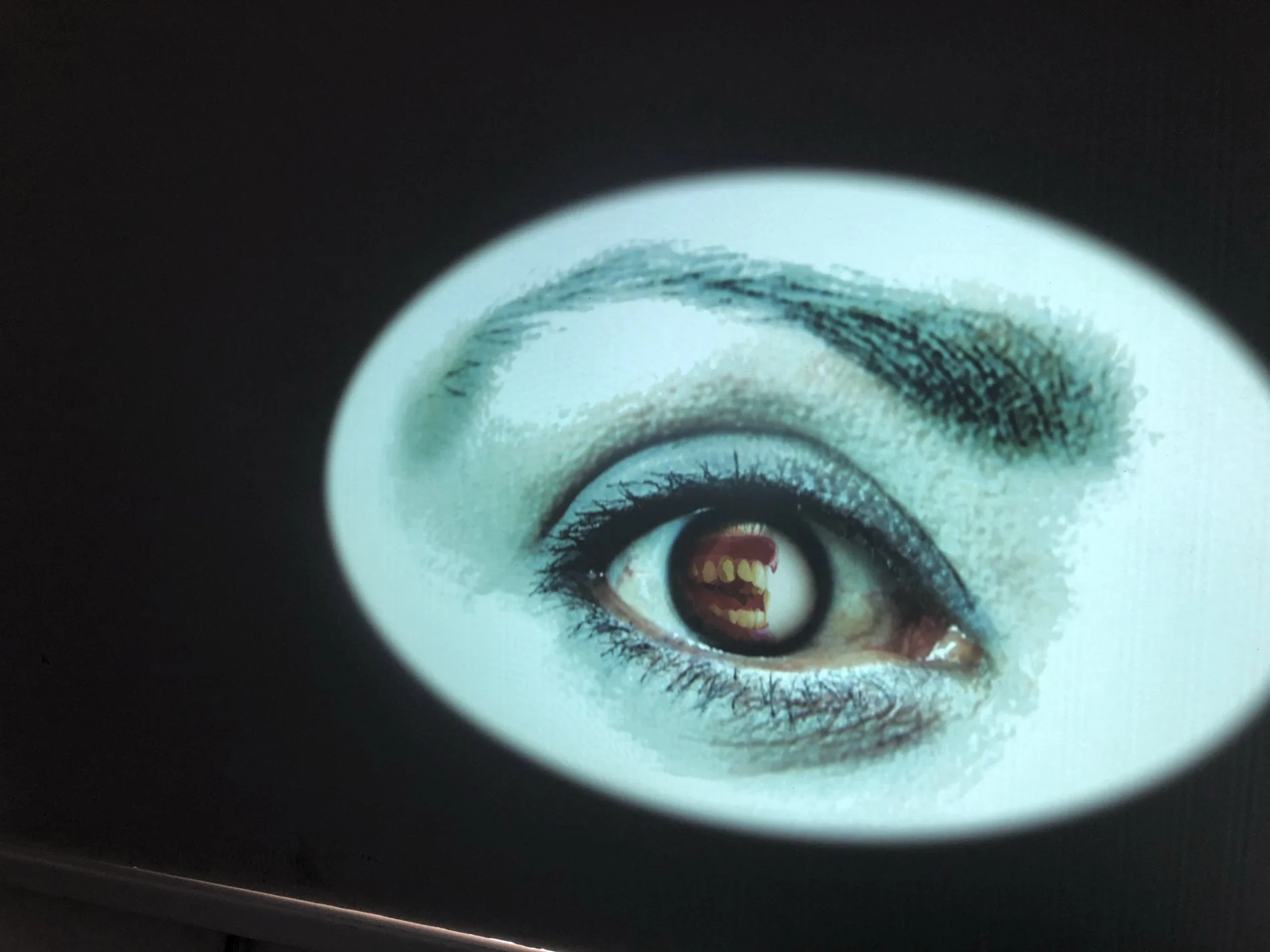
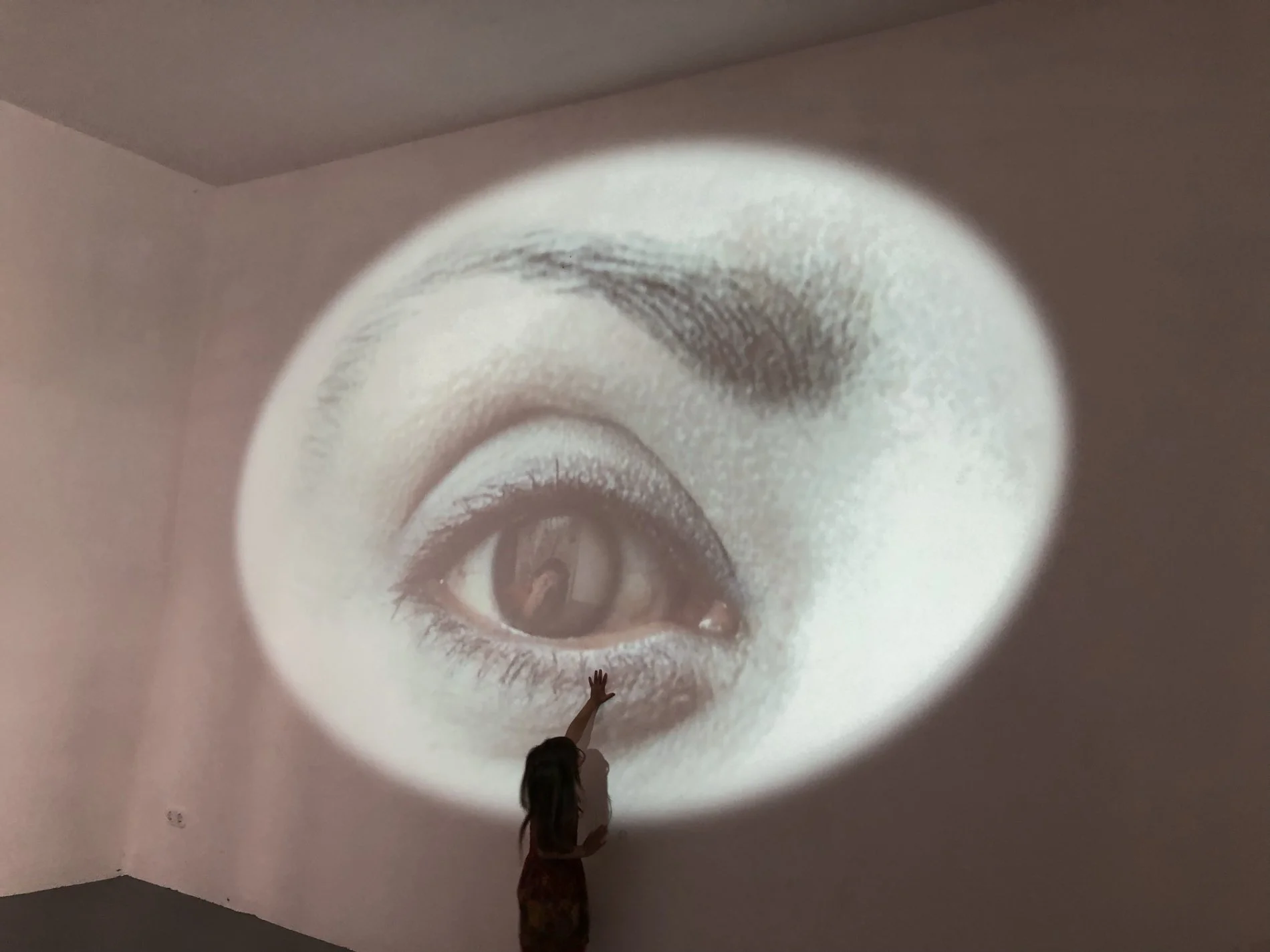
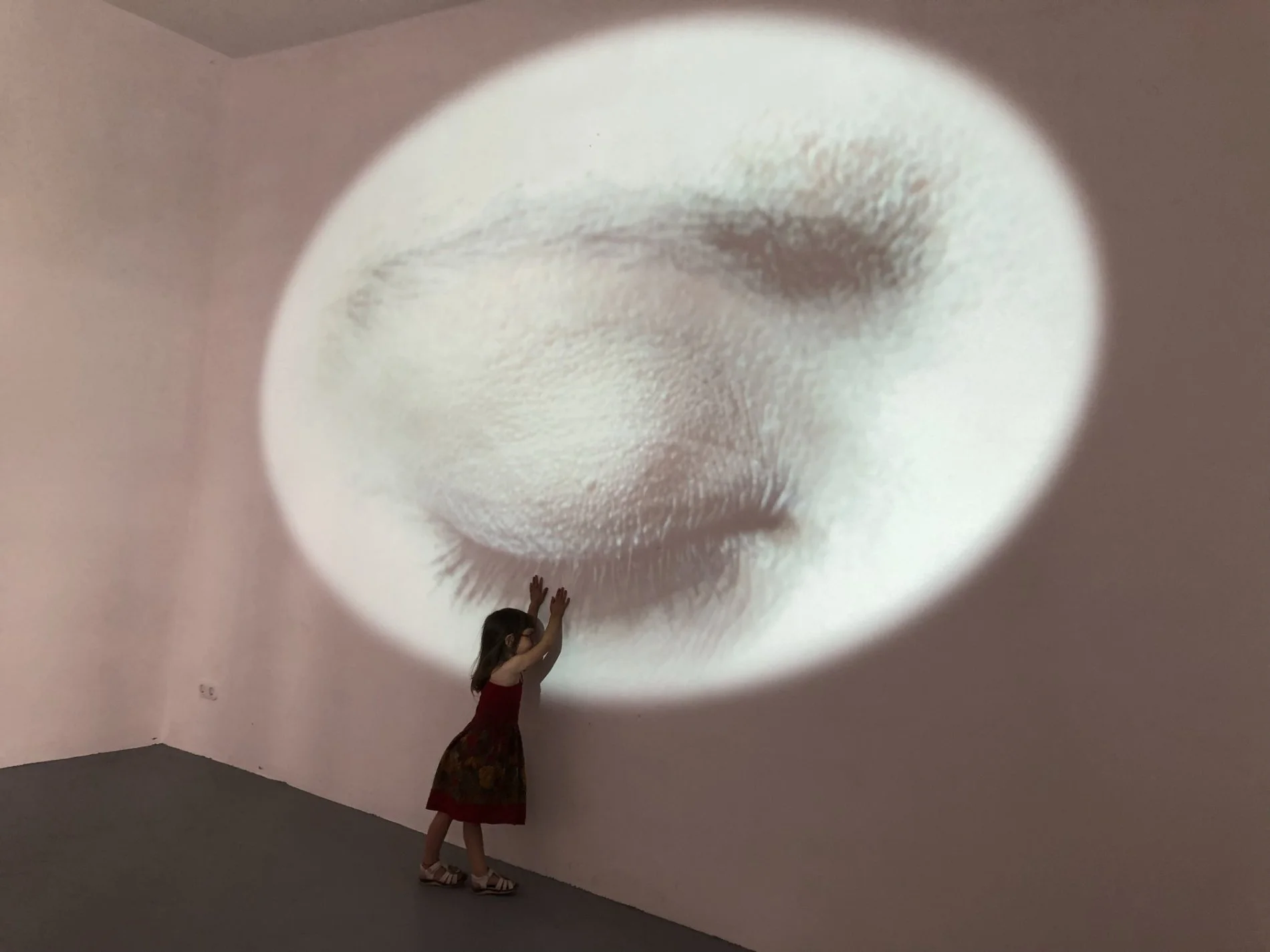
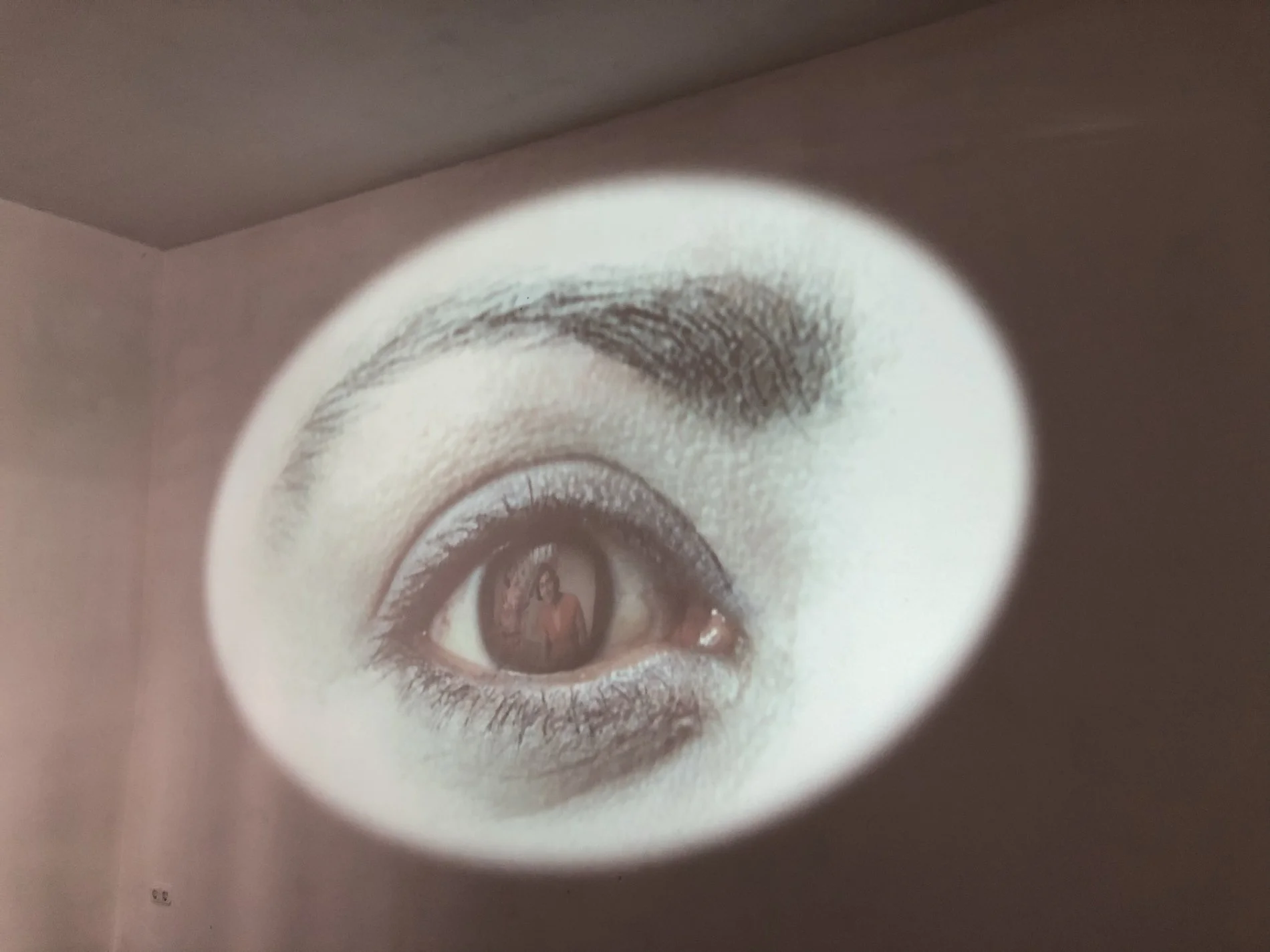
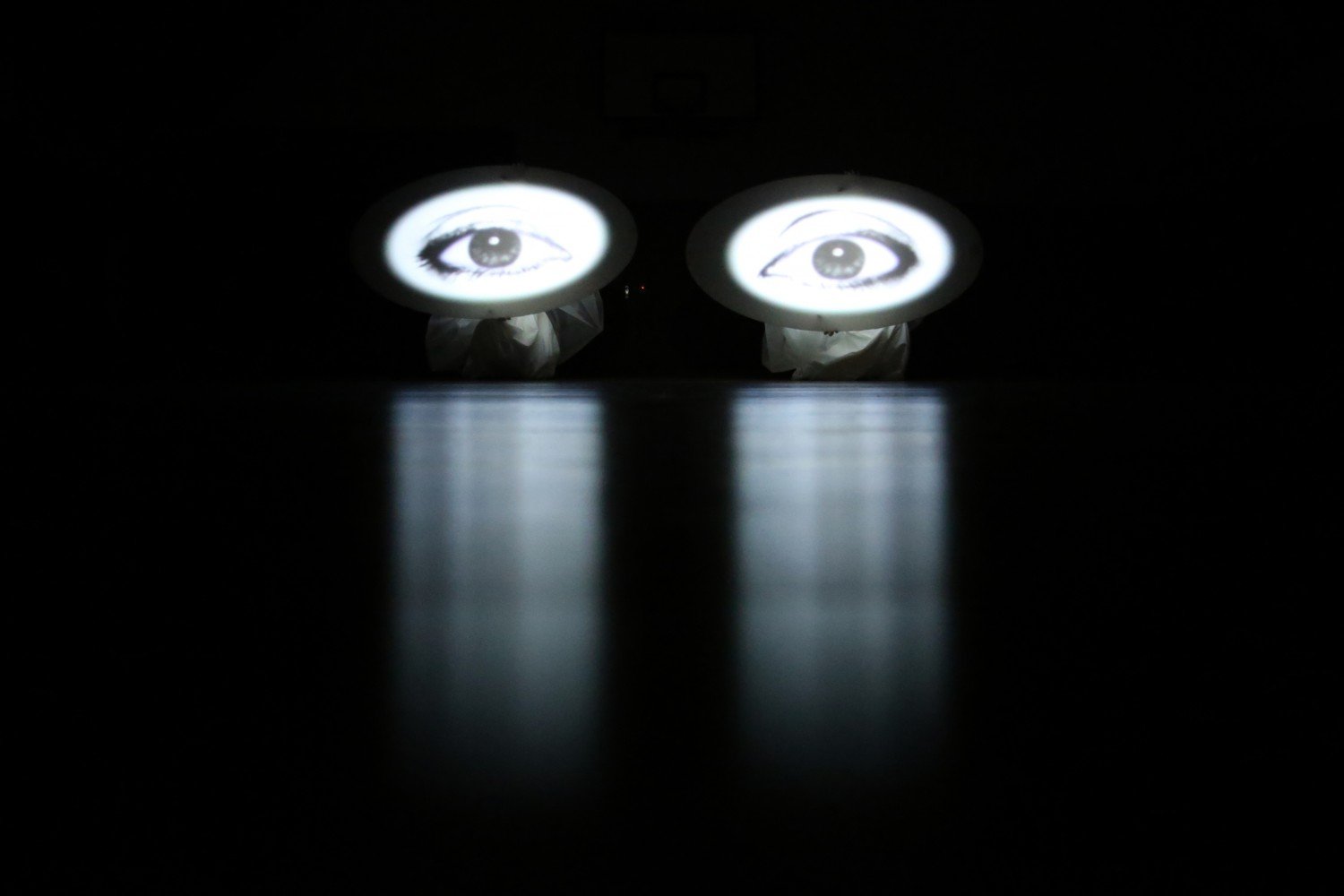
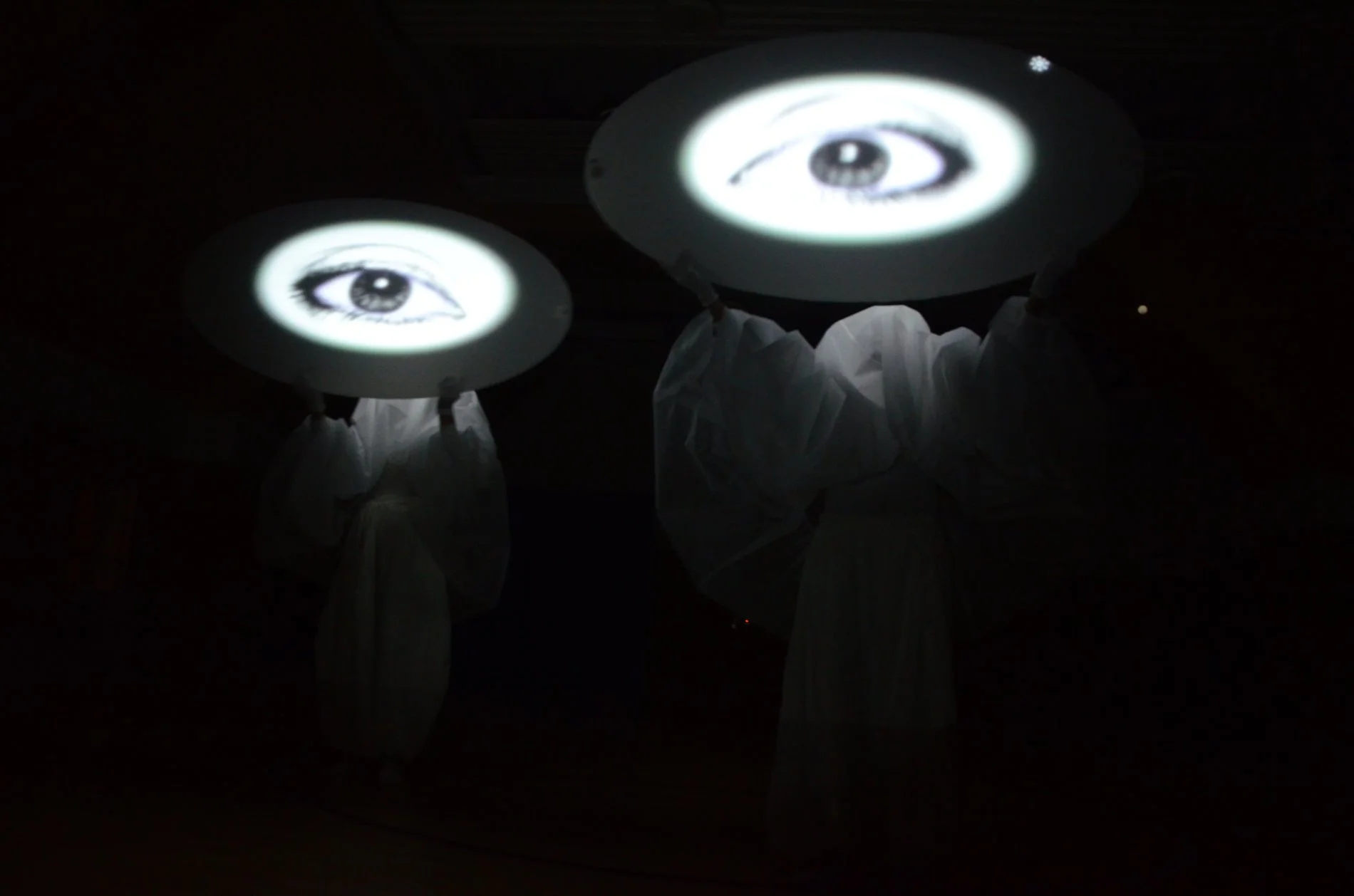
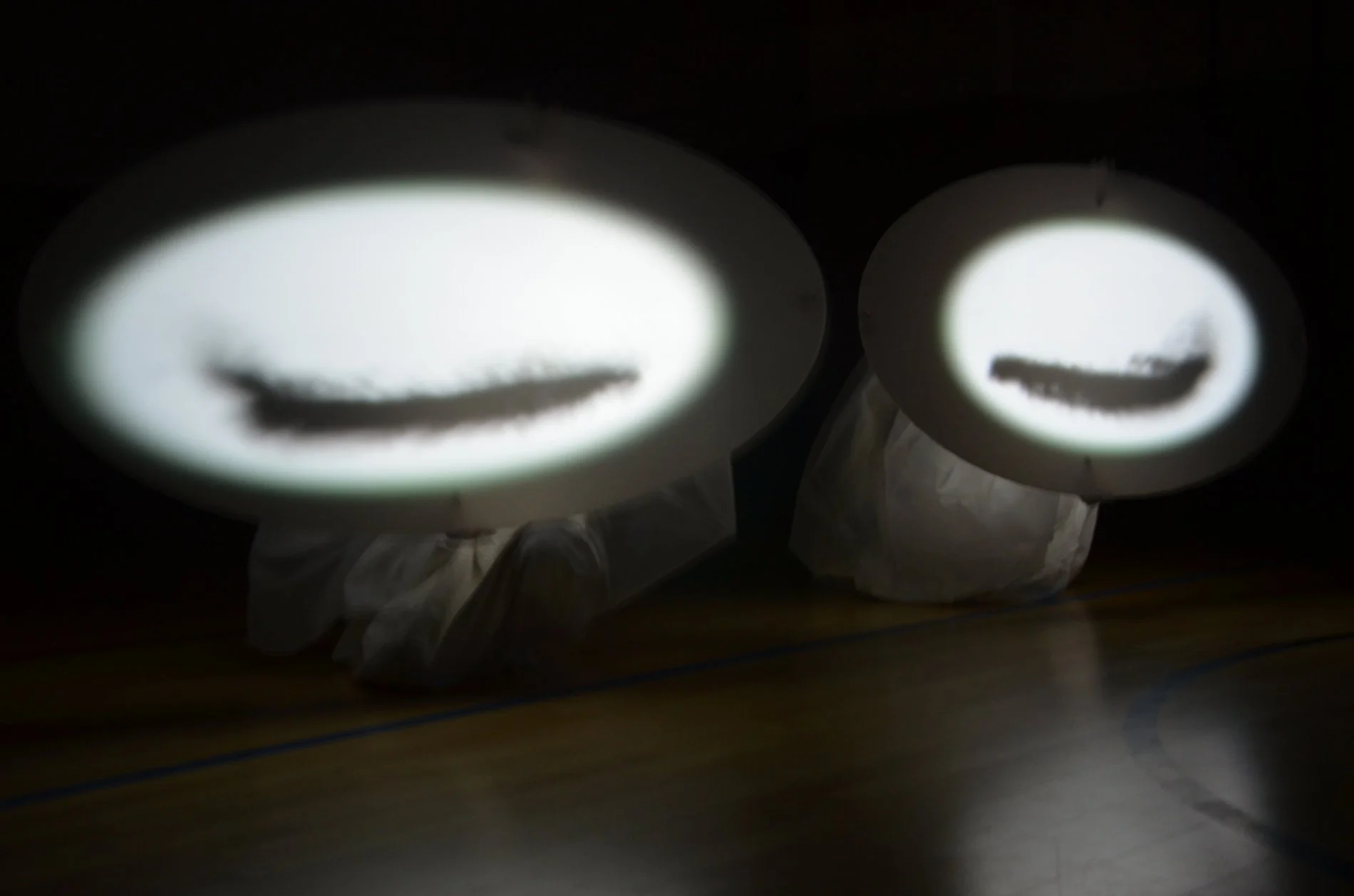
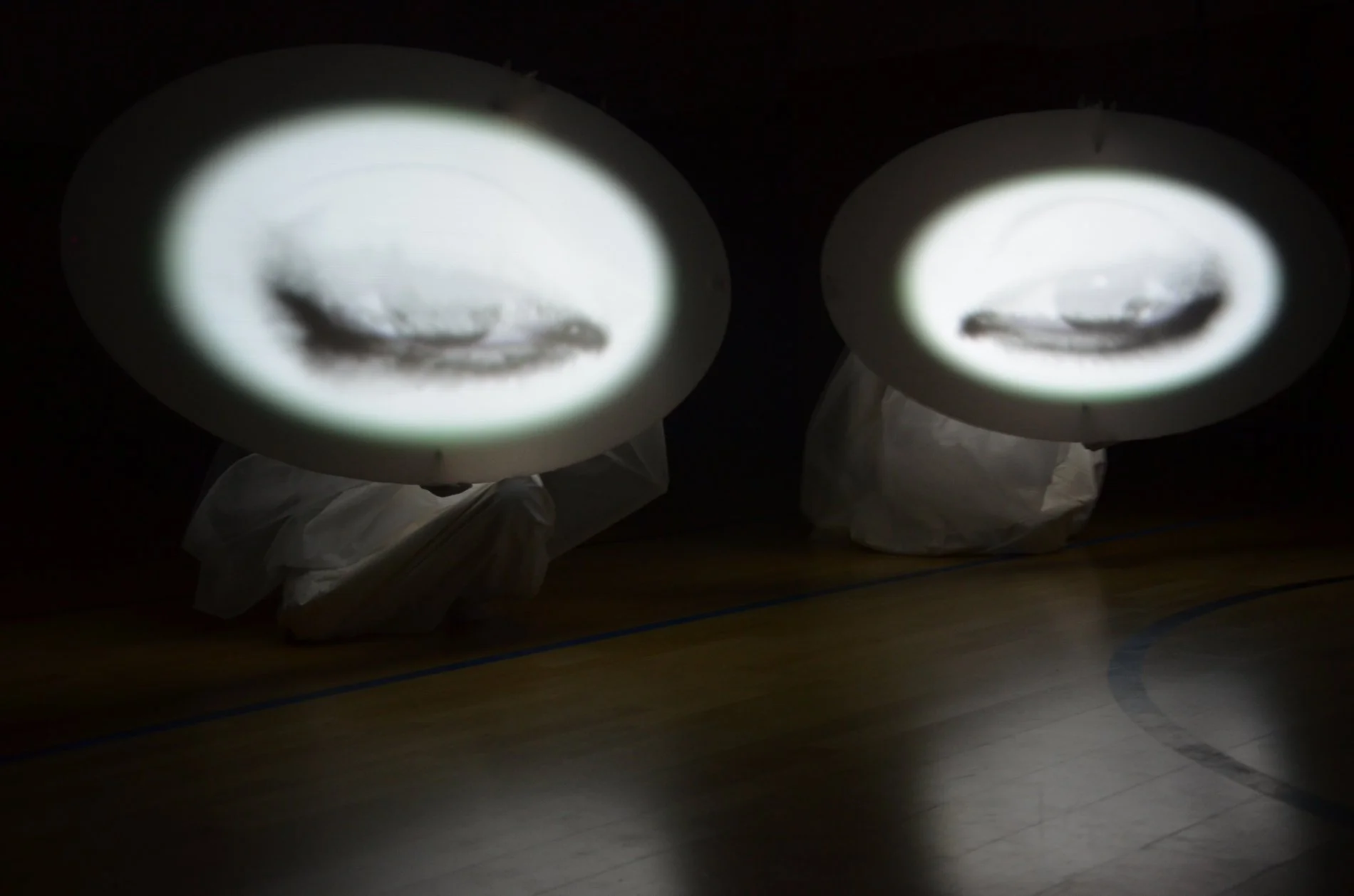
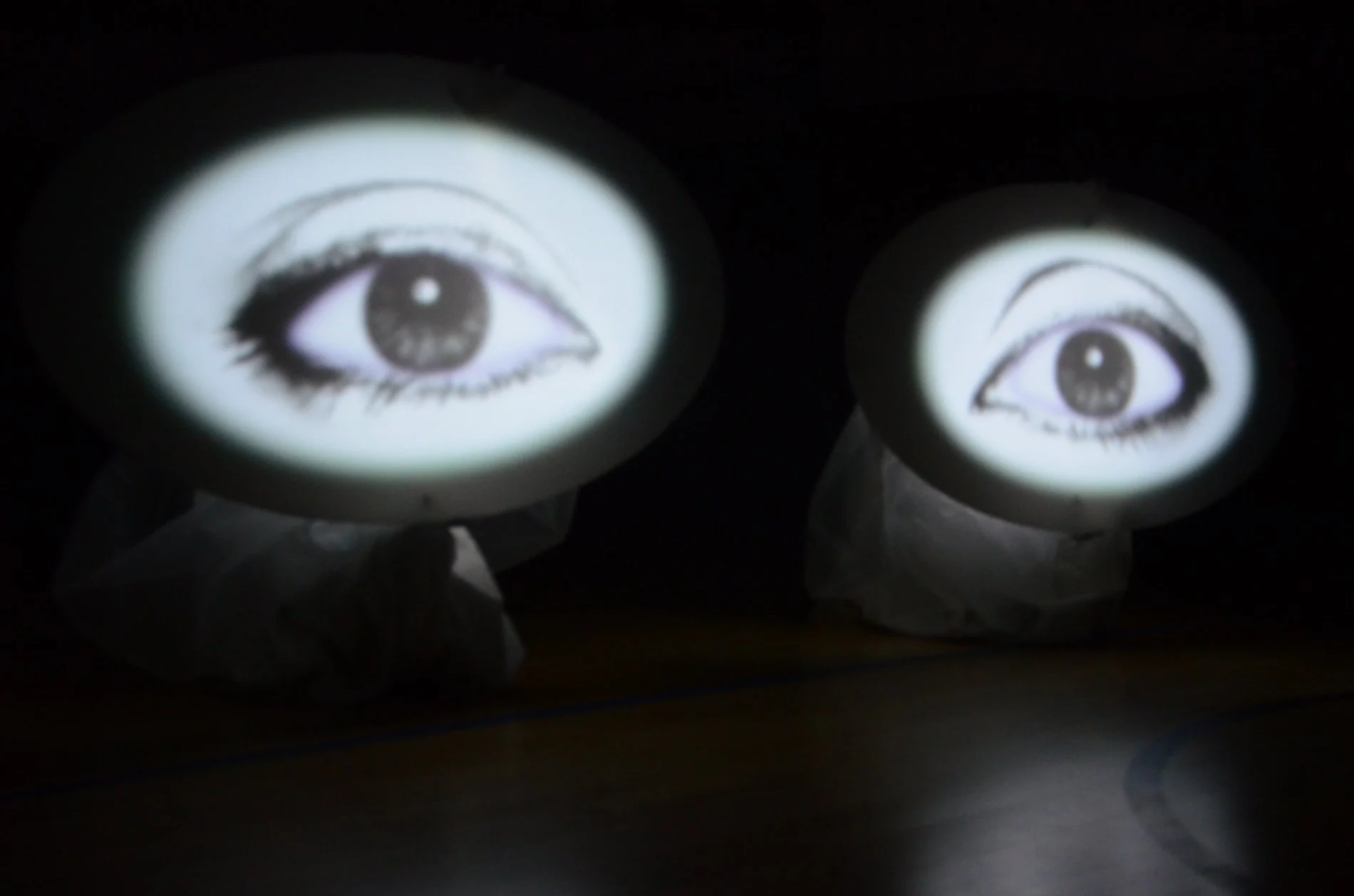
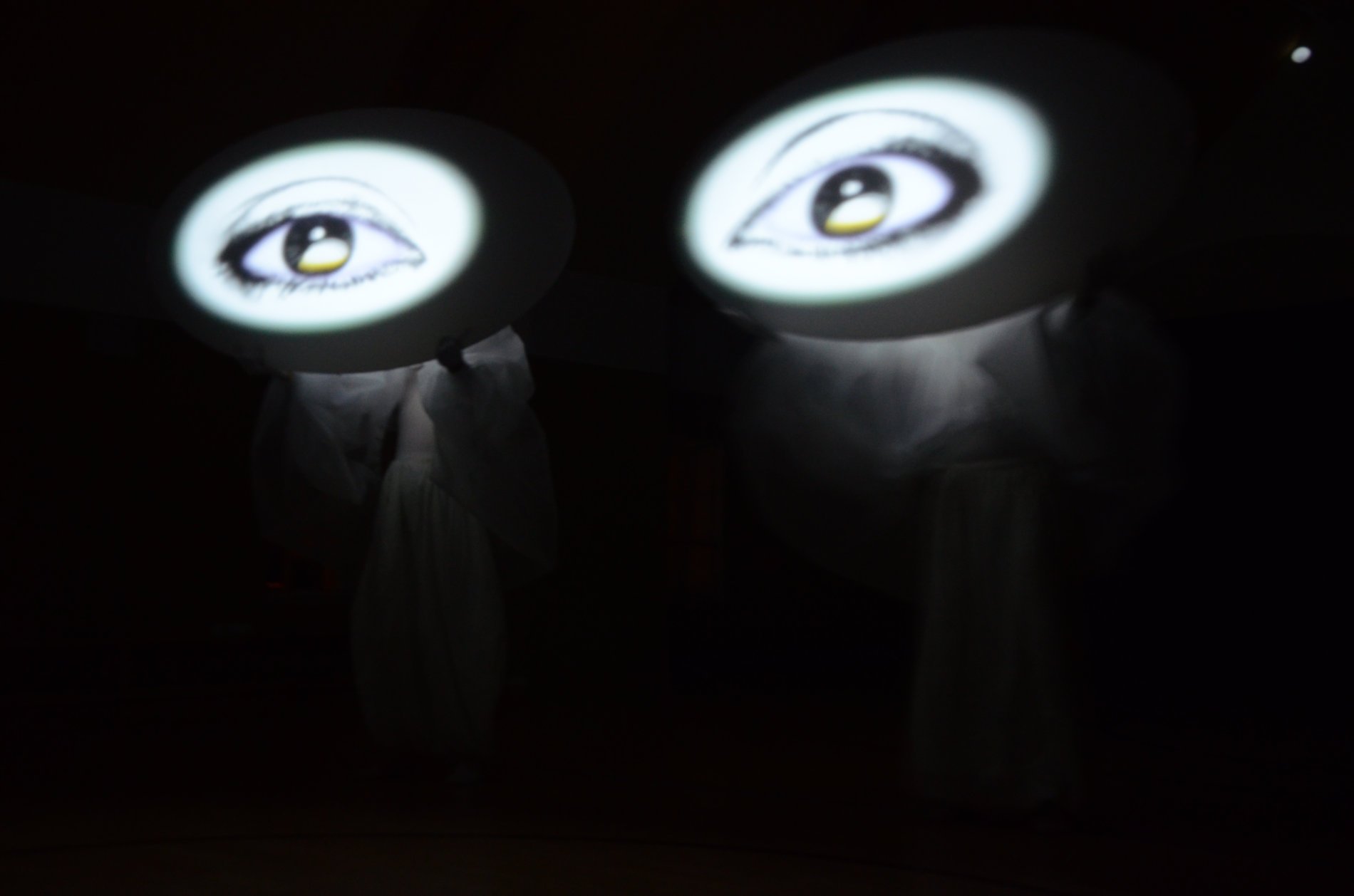
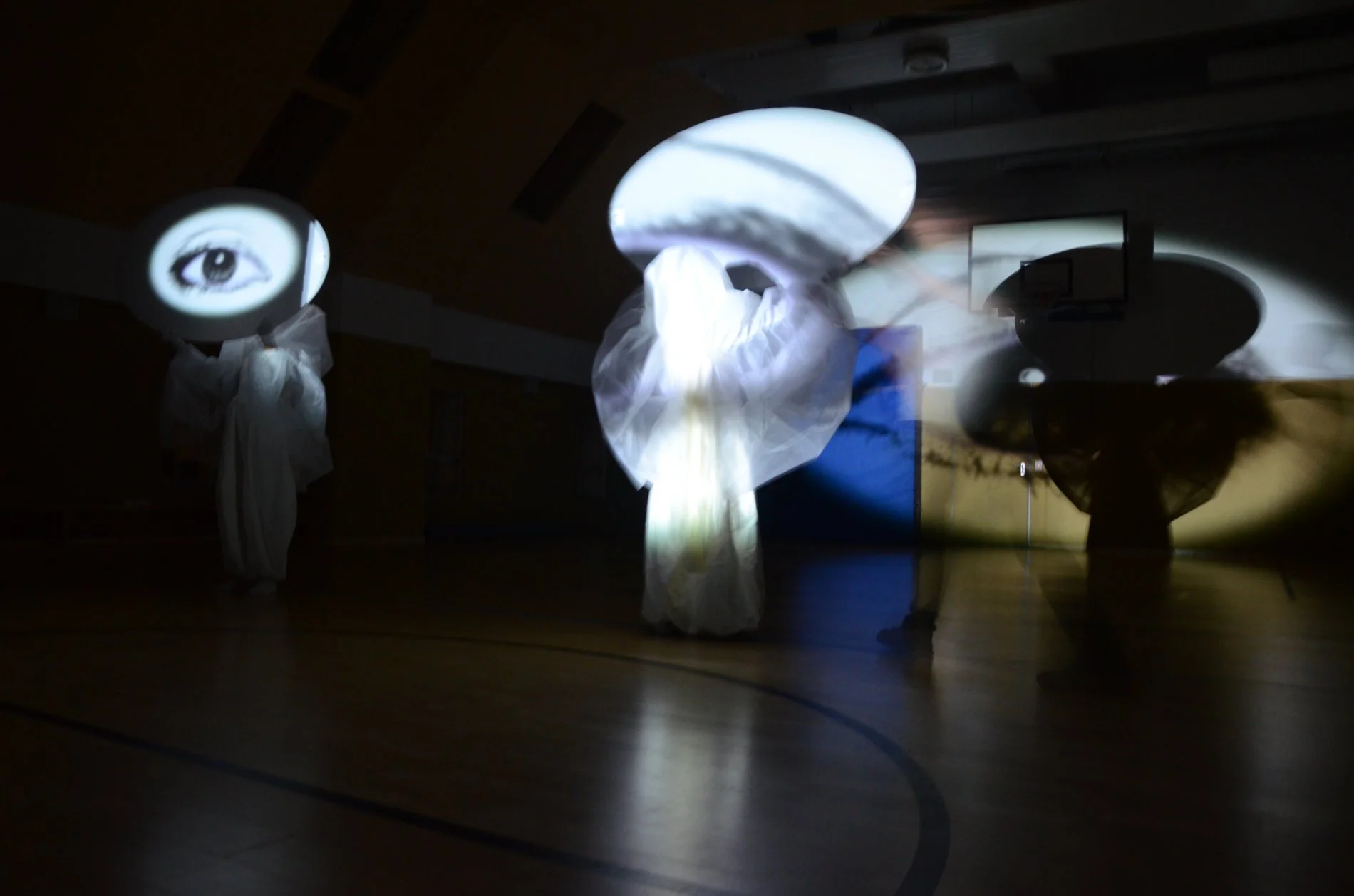
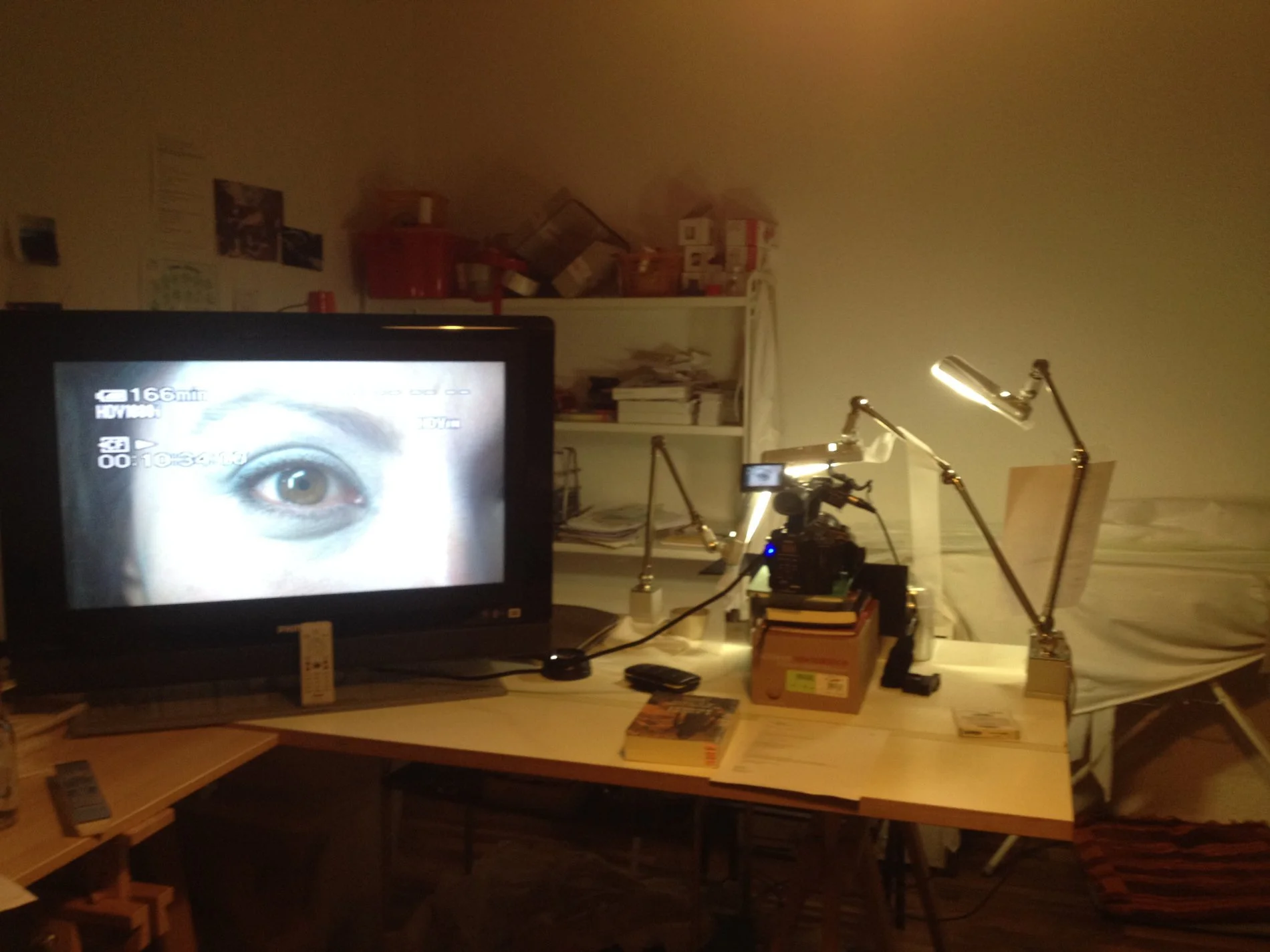
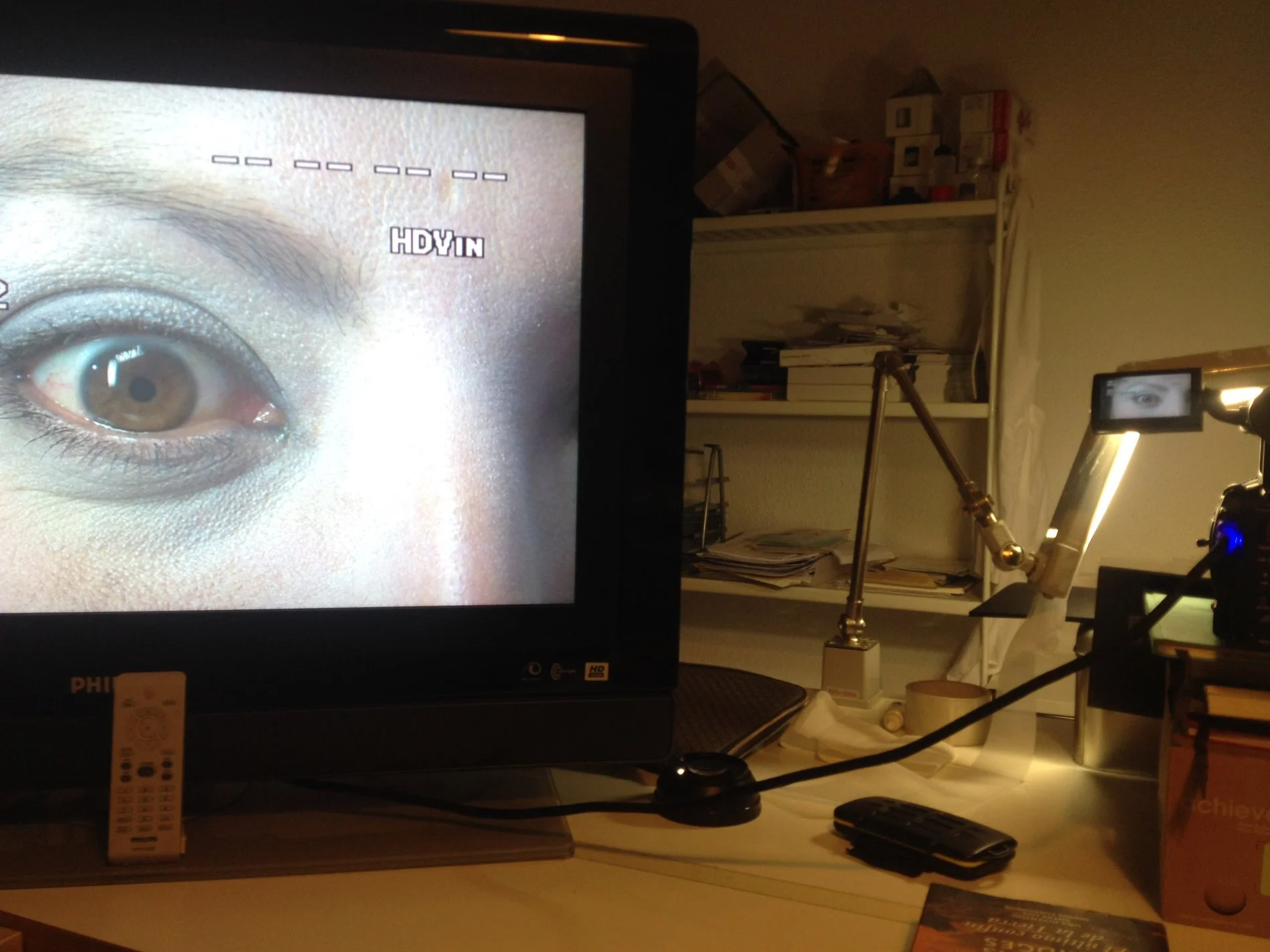
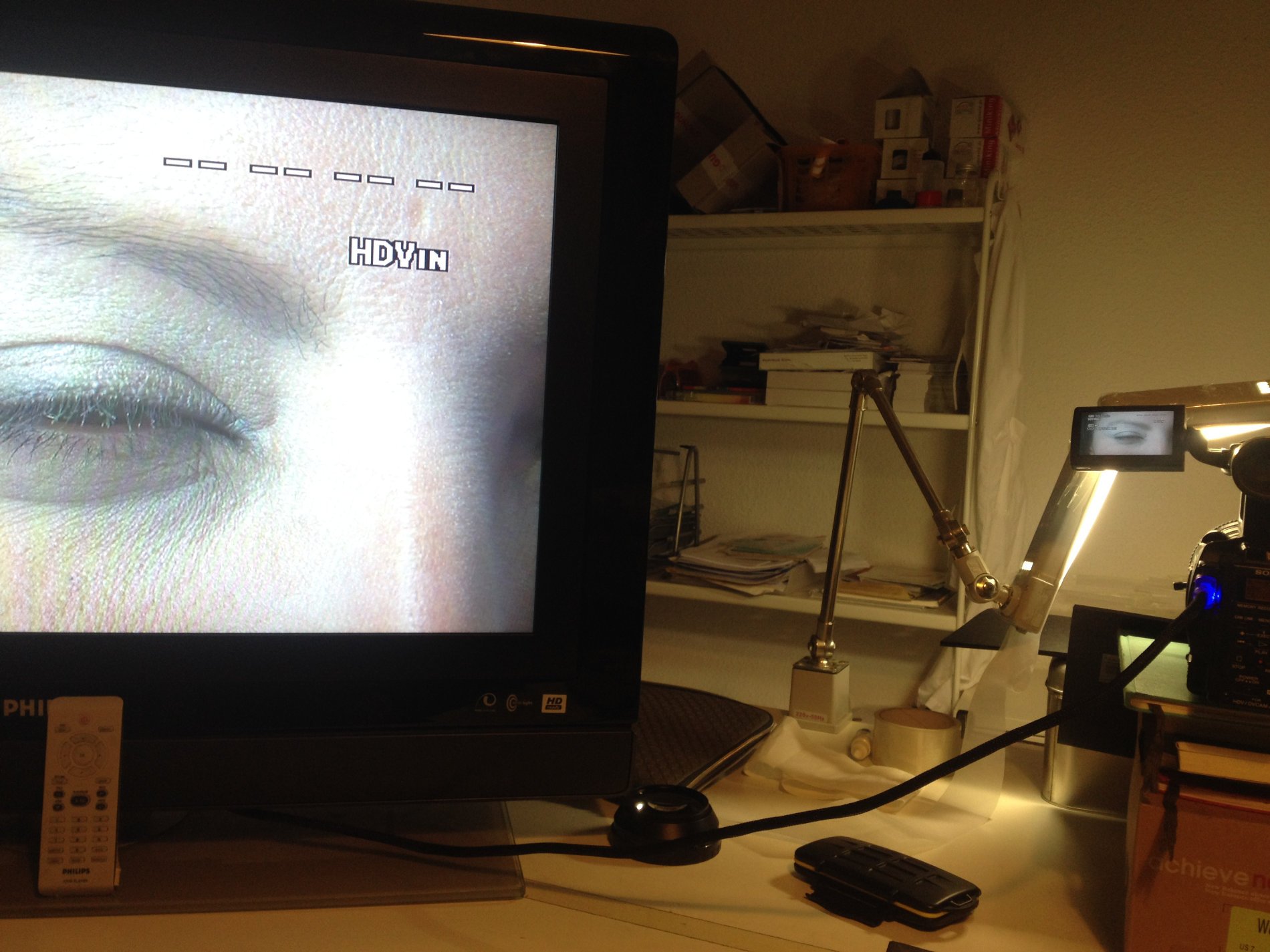
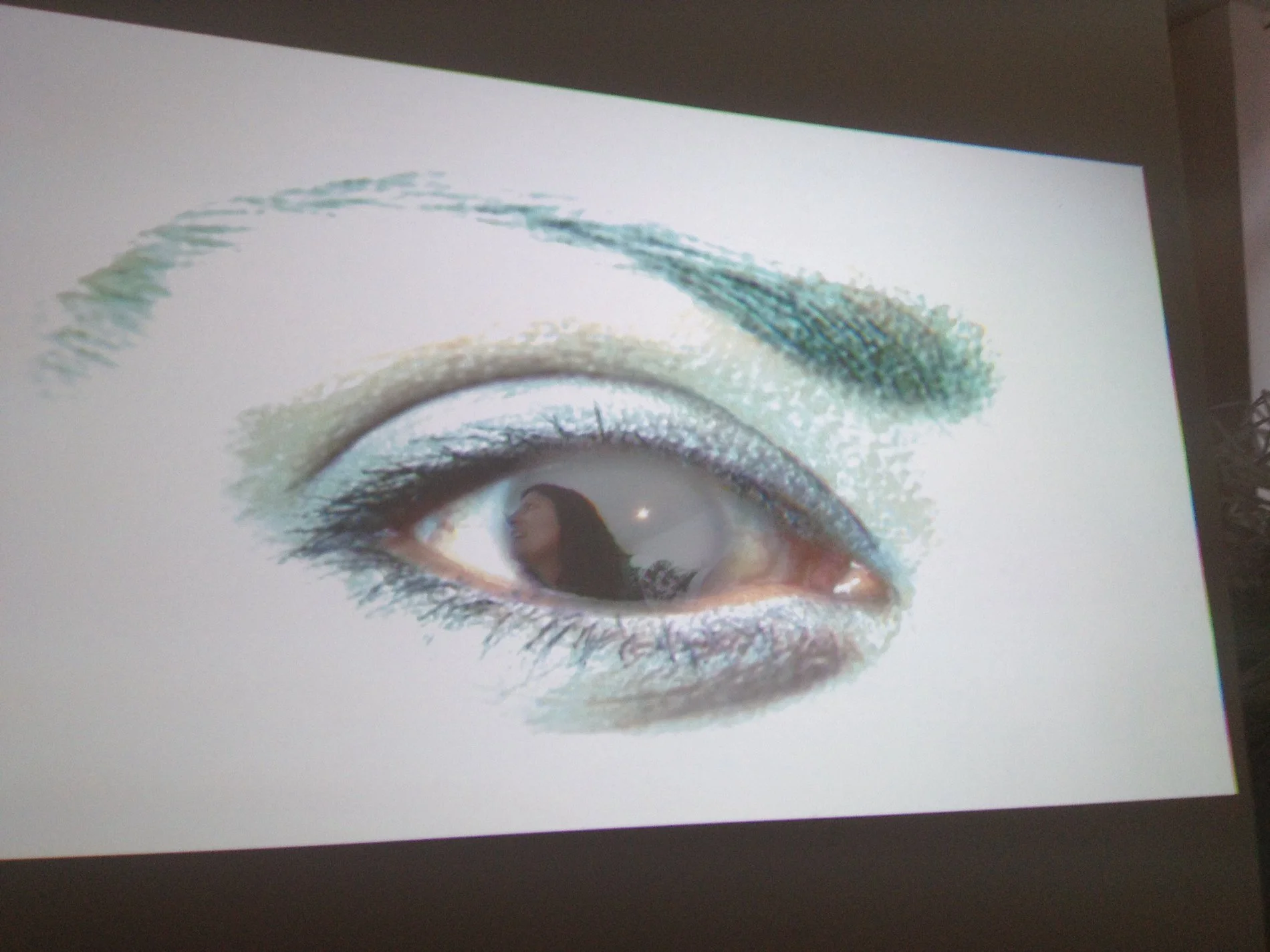
At the centre of the installation, a monumental eye slowly scans the surrounding space. Within its iris, fictional memories alternate with live images captured by a nearby camera. At first, the eye appears to reveal the memories of an unknown character. Gradually, visitors begin to recognise the space around them and realise that they, too, have become part of what the eye is observing.
That moment transforms the experience of the work. The gaze is no longer one-directional, and visitors discover that the boundary between observing and being observed can disappear at any moment.
The monumental scale of the eye creates a presence that is both intimate and unsettling. Its identity remains unknown, while the movement of the iris and the constant alternation between fiction and reality generate an enduring sense of uncertainty. Rather than simply representing a surveillance system, the installation reflects the vulnerability we experience when we no longer control who is watching us, or what image of us is being constructed.
| Year | 2018 — Noptico Installation2015 — Noptico Performance |
|---|---|
| Format | Interactive audiovisual installation and performance |
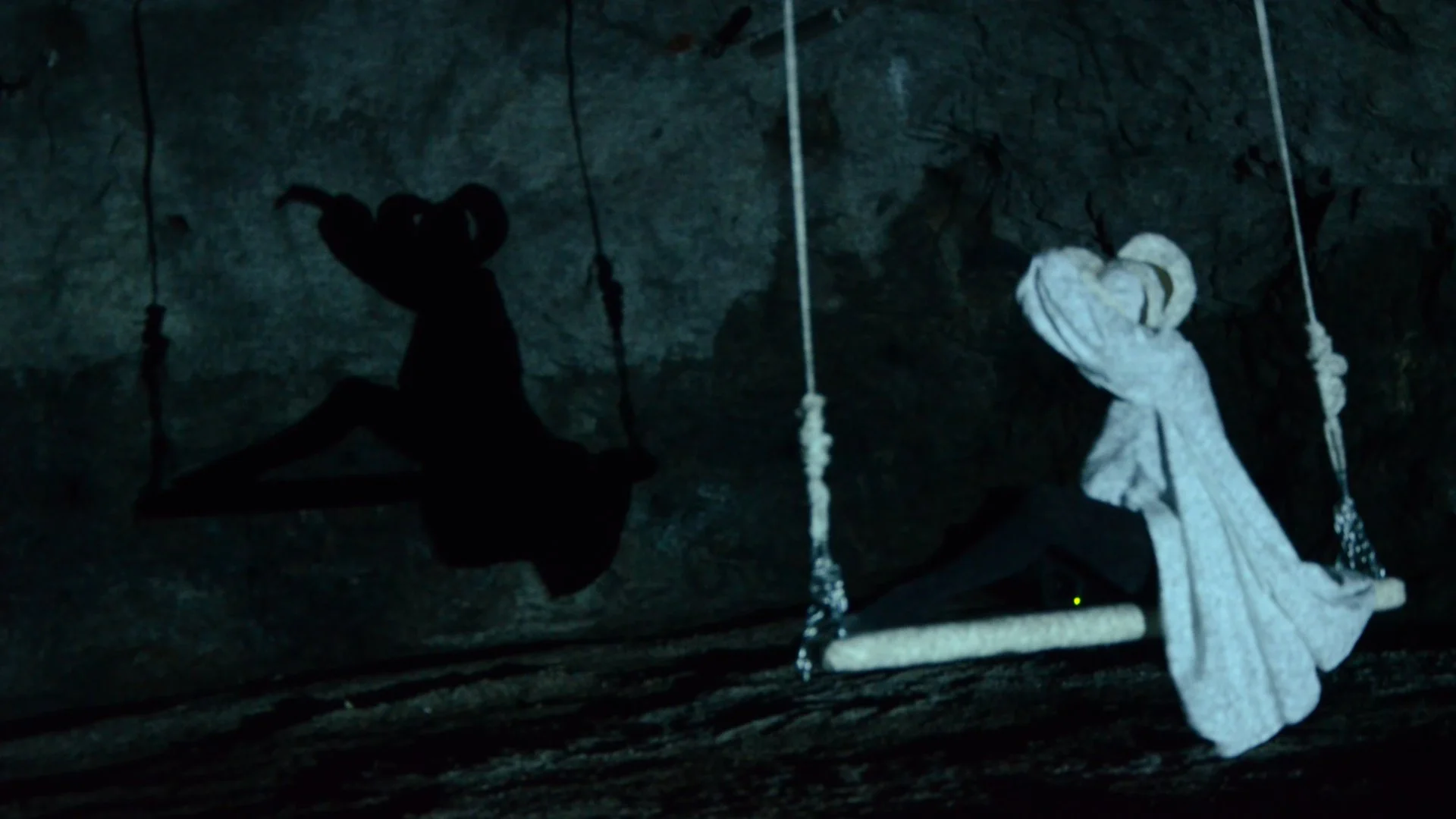
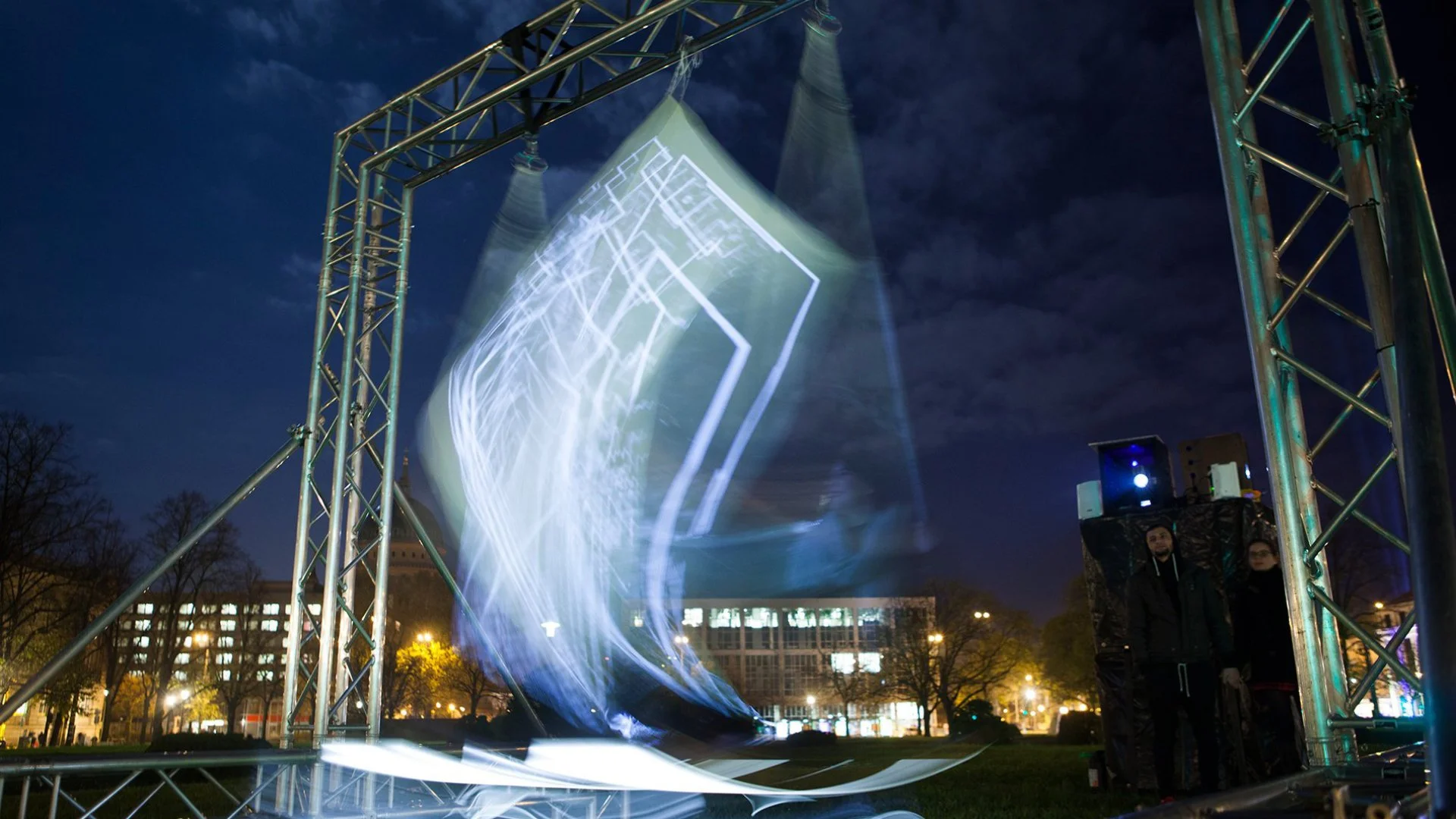
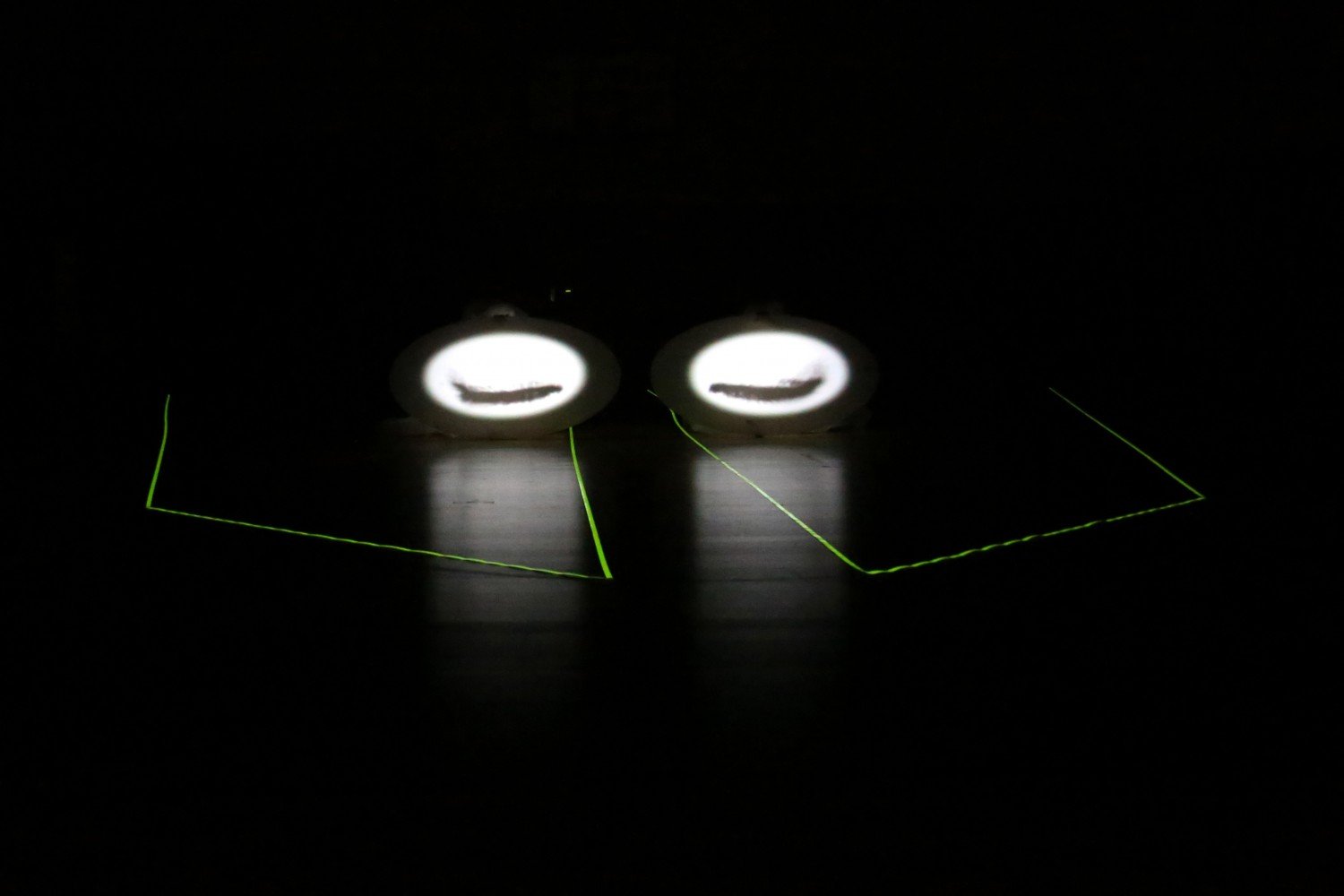
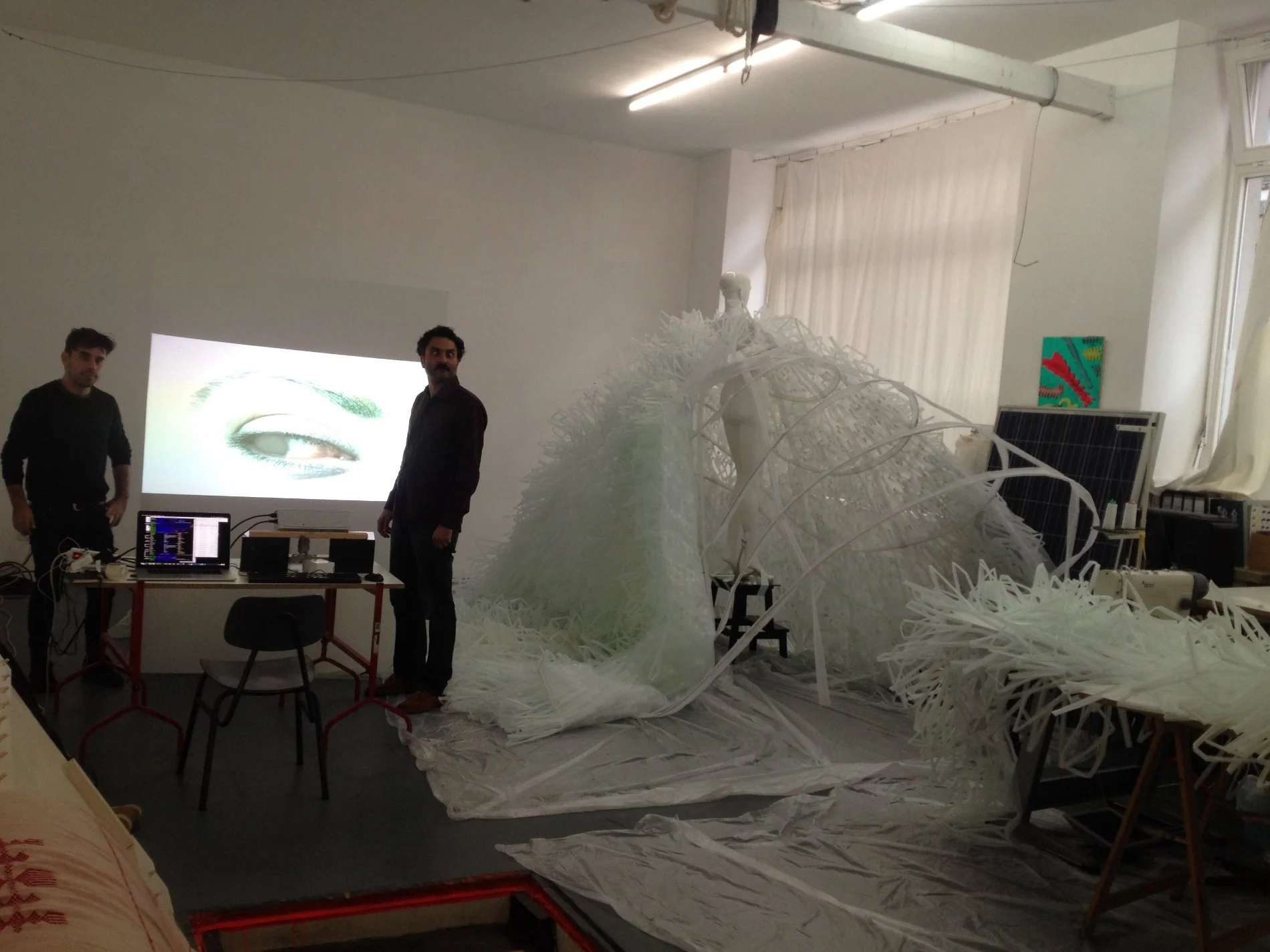
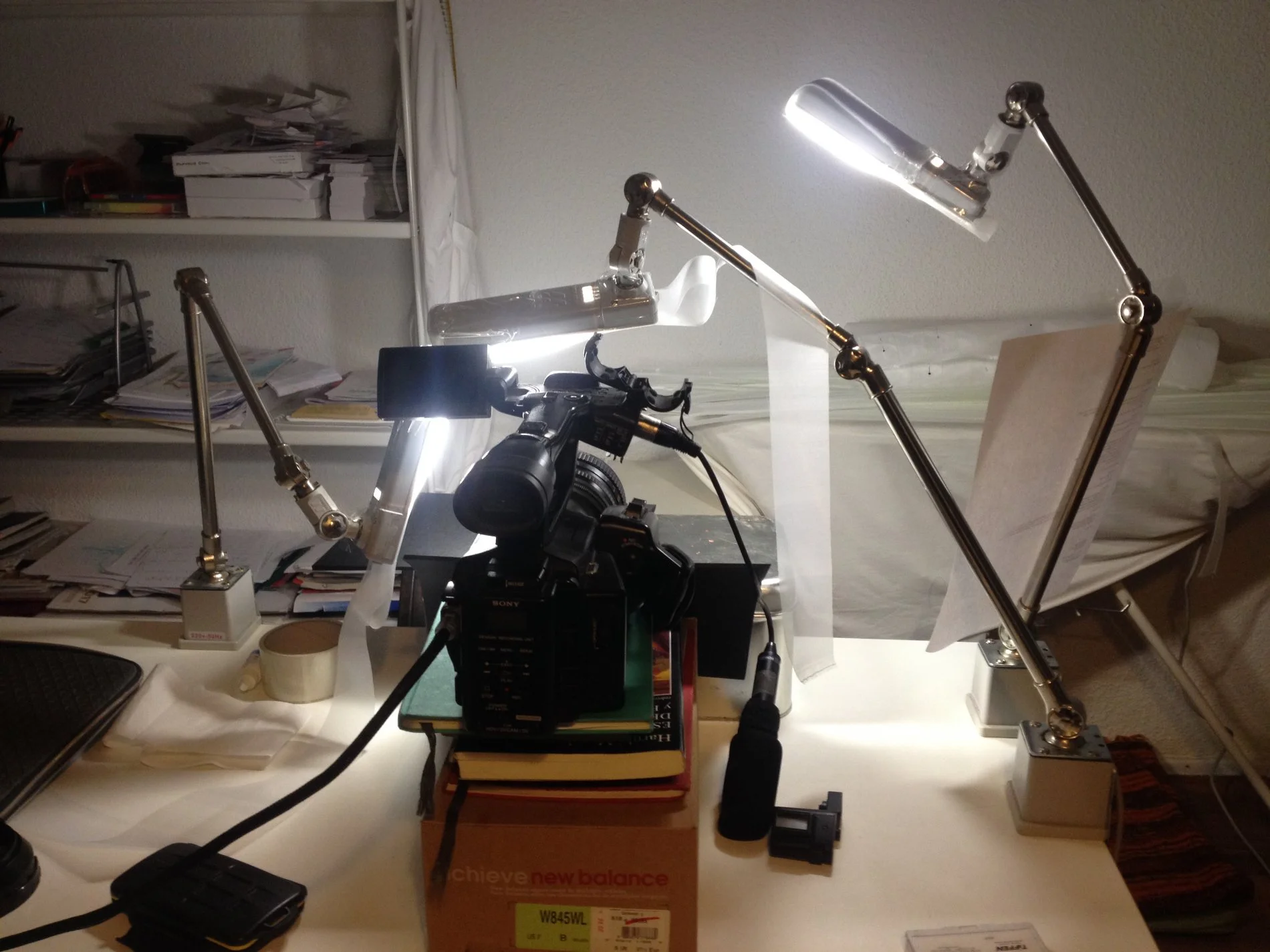
| Media | Video mapping, live camera, computer vision, digital animation, interactive sound and dance |
| Dimensions | Variable, adapted to the exhibition space |
| Duration | Variable | Location | Adaptable to museums, galleries, festivals and site-responsive contexts |
| Availability | Available for exhibitions, festivals and commissioned presentations, subject to confirmation |
| Credits |
Interactive Programming:
Mirko Petrovic
Video installation:
Marjorie Chau, Nicolas Spencer, Juan Sáez
Costumes and textile installation:
Marjorie Chau
|
Chronology
2021 — Chile Länderwochen, Stadt Barmstedt, Germany
-
Who Is Really Observing When We Believe We Are Looking?
Noptico takes as its point of departure the concept of the Panopticon, originally developed by Jeremy Bentham and later examined by Michel Foucault as a metaphor for power exercised through surveillance. Within this model, the constant possibility of being watched alters behaviour even when the observer remains invisible.
The title Noptico is a neologism built around the negation of the optical: seeing, not seeing, and being seen. The work reflects on this unstable threshold where perception ceases to be a passive act and instead becomes a shared experience.
From Prison Architecture to Algorithms
If the Panopticon imagined an architectural system designed to discipline bodies, contemporary surveillance operates far more silently. Cameras, social media, algorithms and artificial intelligence continuously record our movements, preferences and behaviours, constructing images of us without requiring any direct encounter.
Research in psychology and the social sciences has shown that the perception of constant surveillance can alter our sense of autonomy, encourage self-censorship and influence how we present ourselves to others. Noptico translates these questions into an artistic experience, inviting visitors to encounter this tension through their own presence.
A Gaze That Also Shapes Who We Are
The work does not seek to condemn technology or provide definitive answers about surveillance systems. Instead, it proposes an experience in which the gaze becomes more than an act of observation, it also becomes a mechanism through which identity is constructed.
The moment visitors recognise themselves reflected within the iris, they realise they no longer occupy the position of mere spectators. The work returns their gaze, transforming that instant of recognition into an open question:
Who is really observing when we believe we are looking?