Caleuche
An evolving immersive installation and performance weaving Chiloé mythology and ocean pollution through a traditional Mapuche loom, video, sound and Butoh-inspired movement.






Details
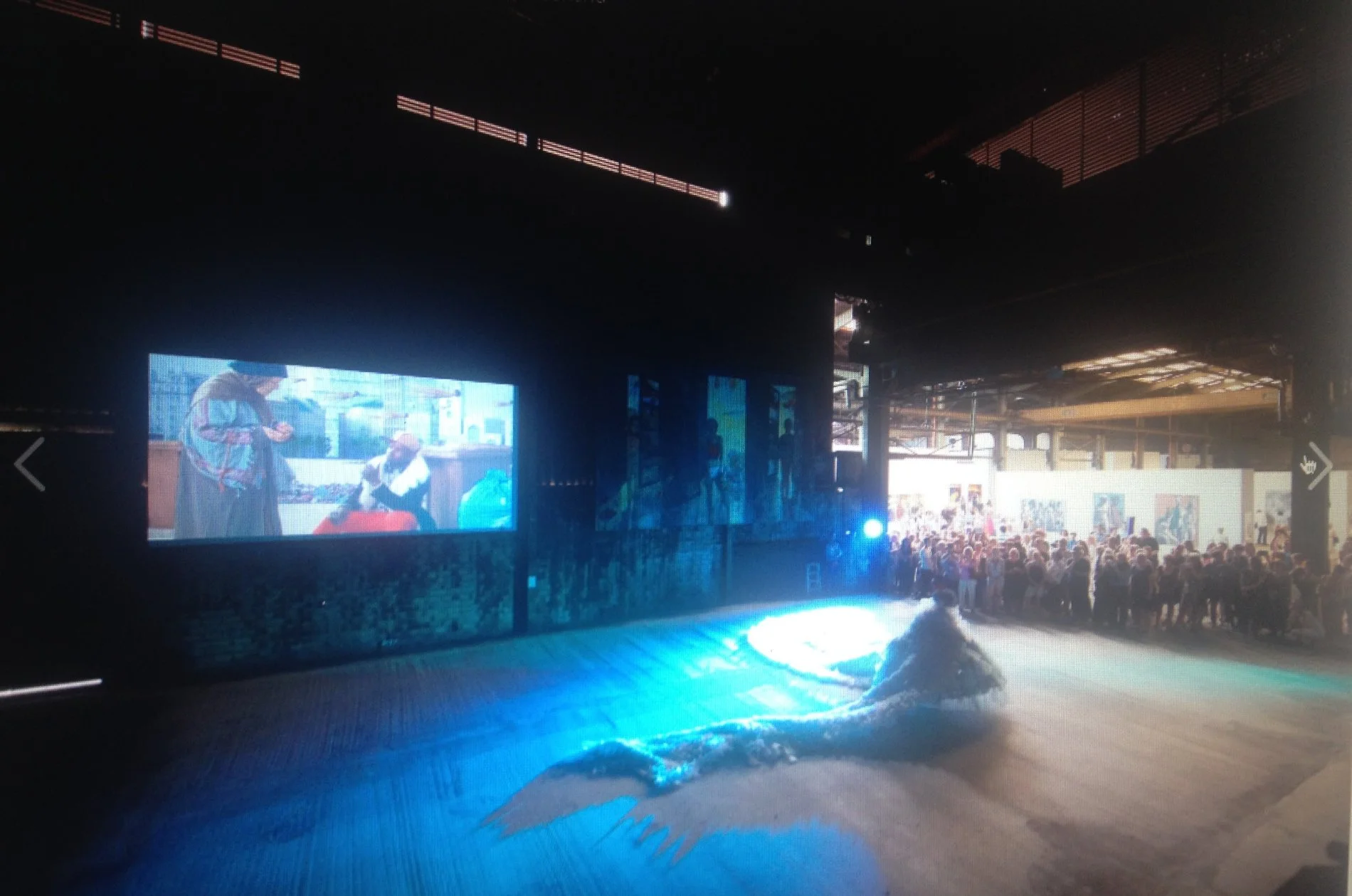
Caleuche is an immersive installation and a performance in constant transformation, inspired by the maritime mythology of Chiloé. The work can be presented as an installation, a performance or a combination of both, adapting to each space and context.
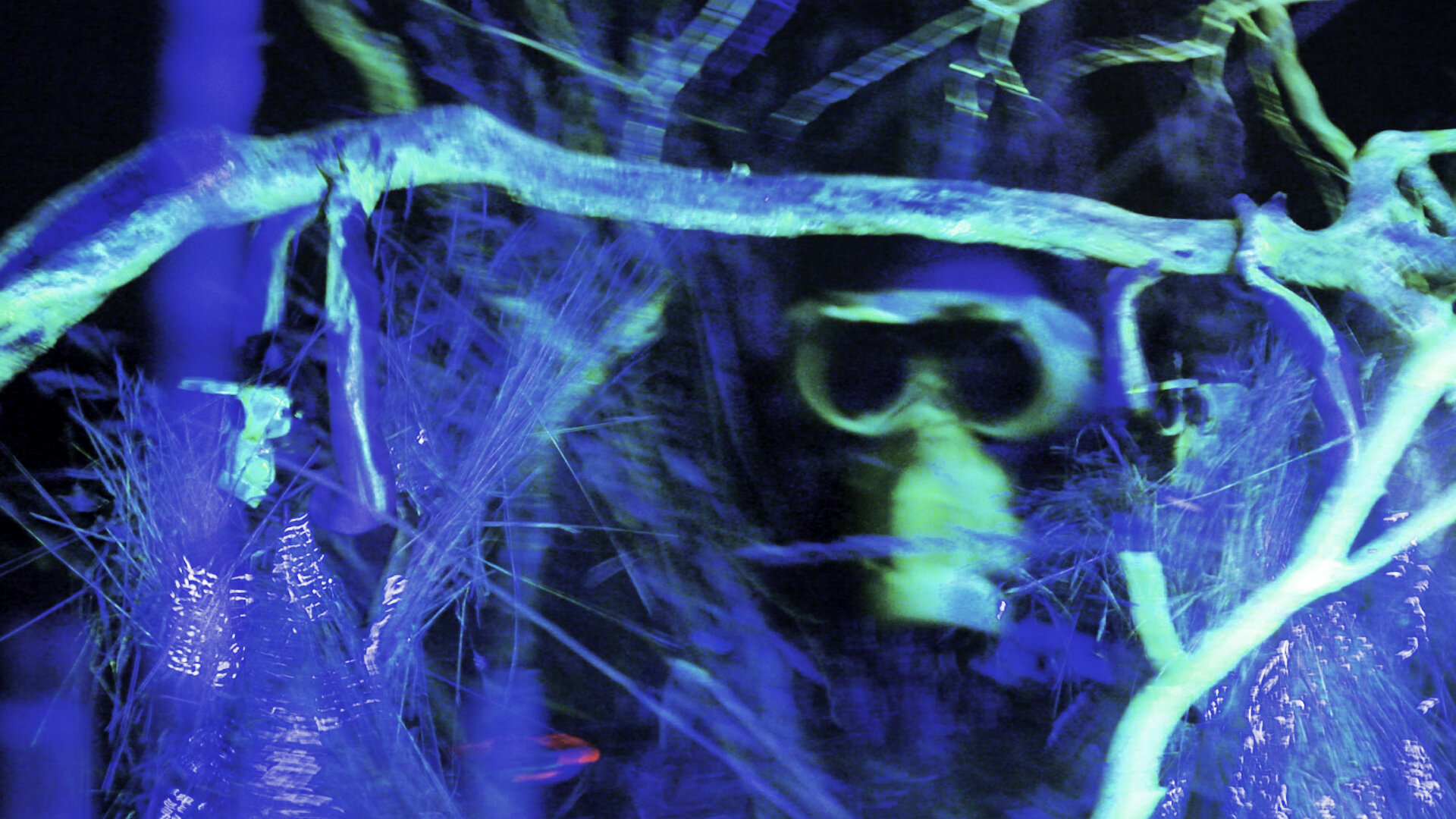
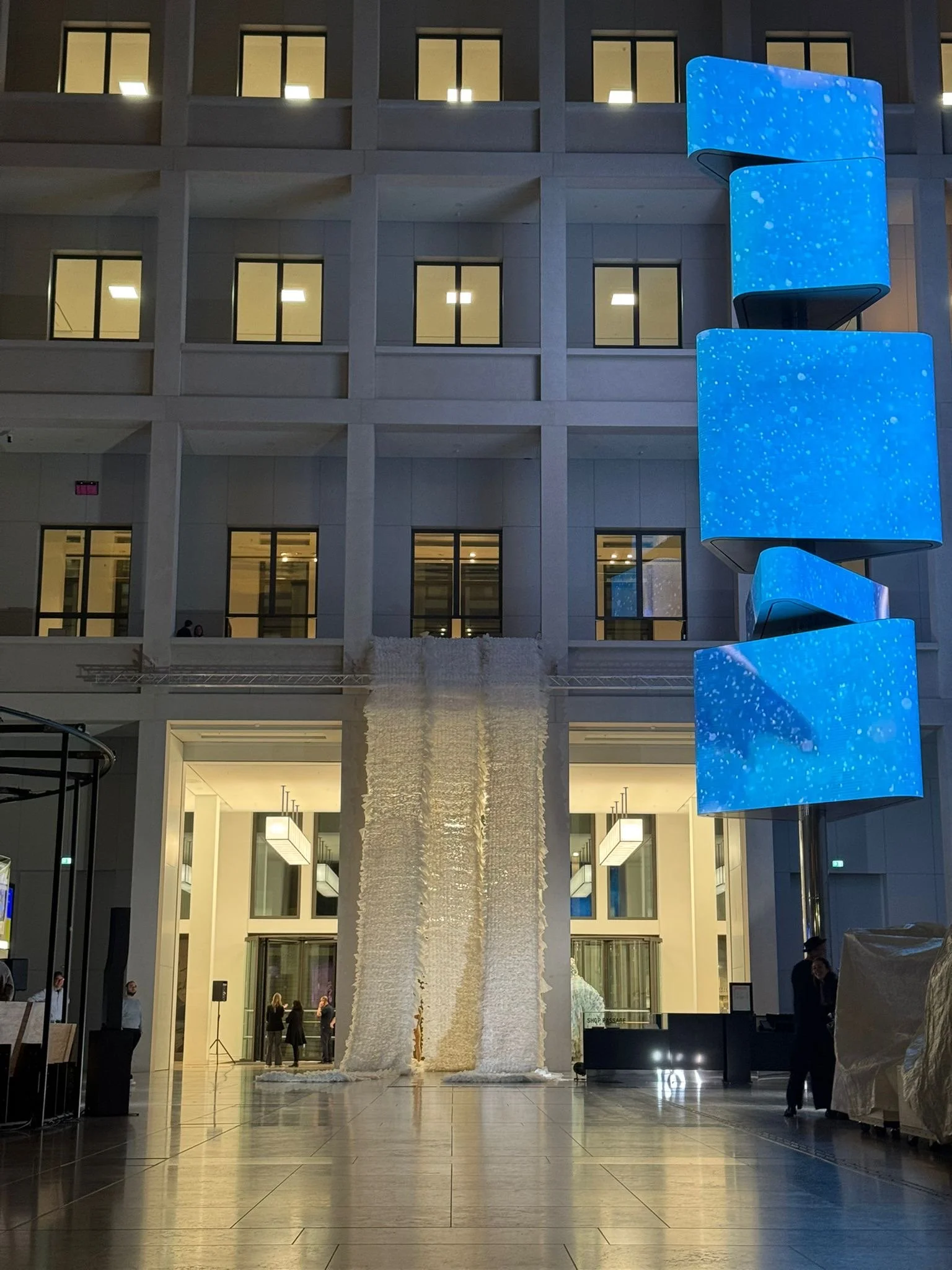
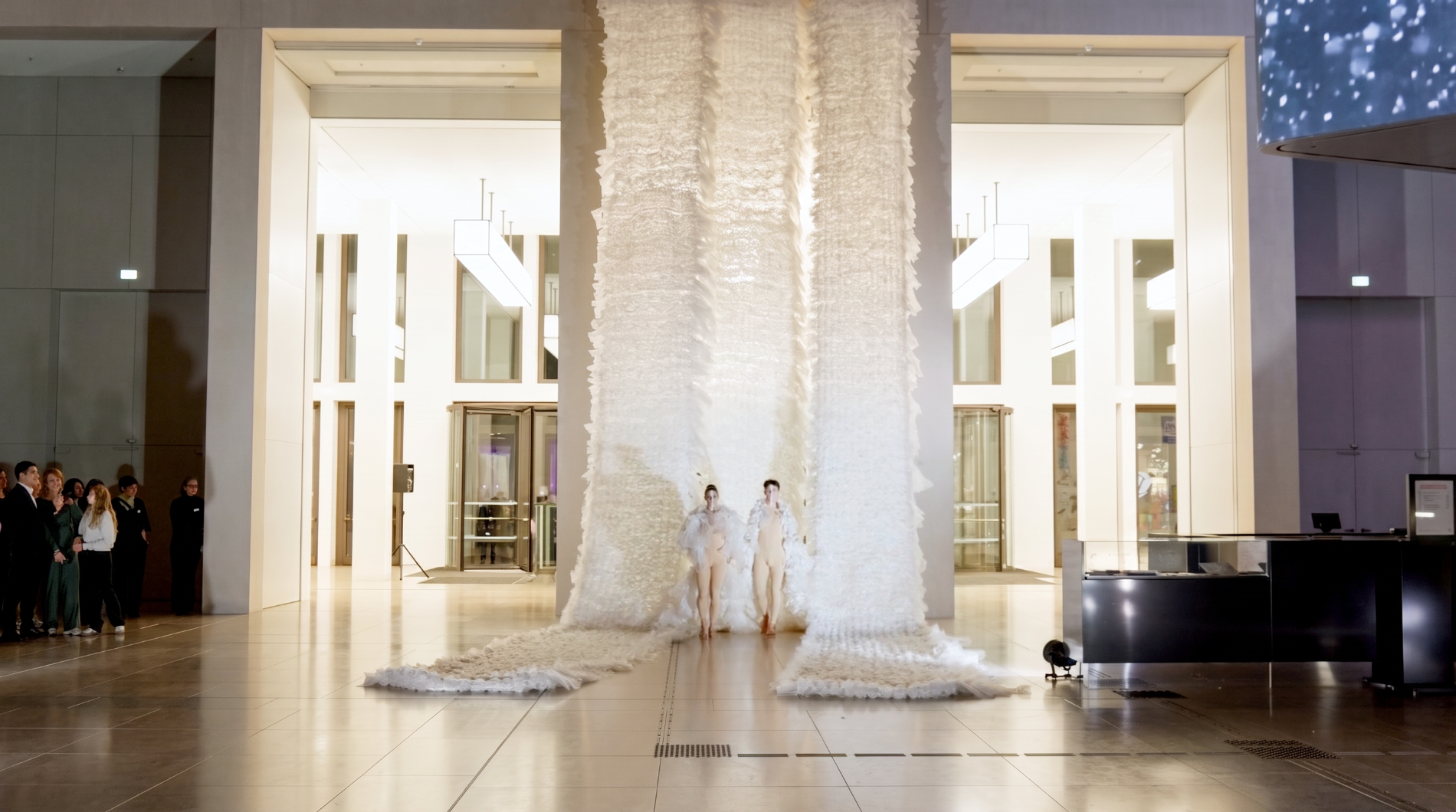
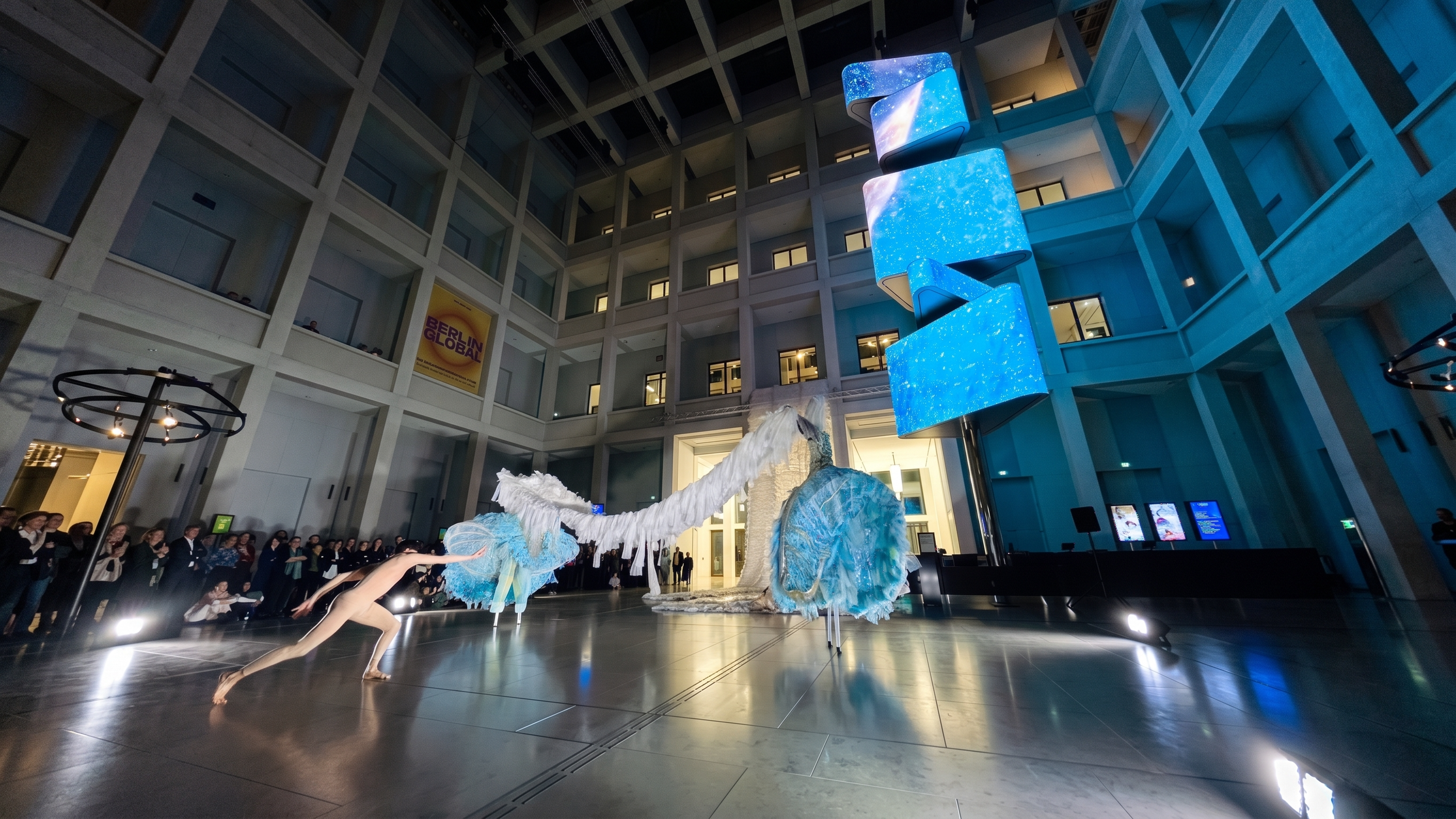
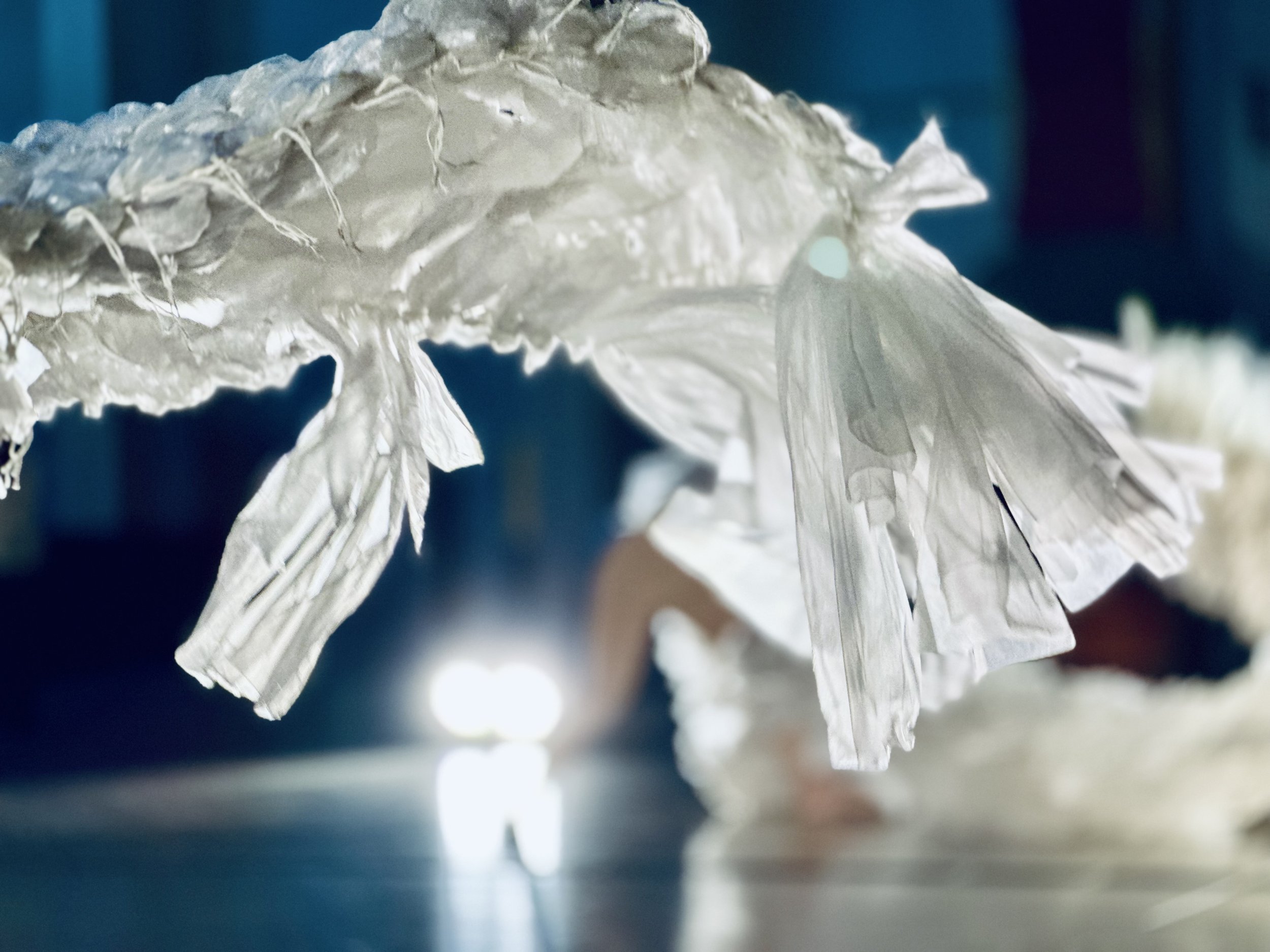
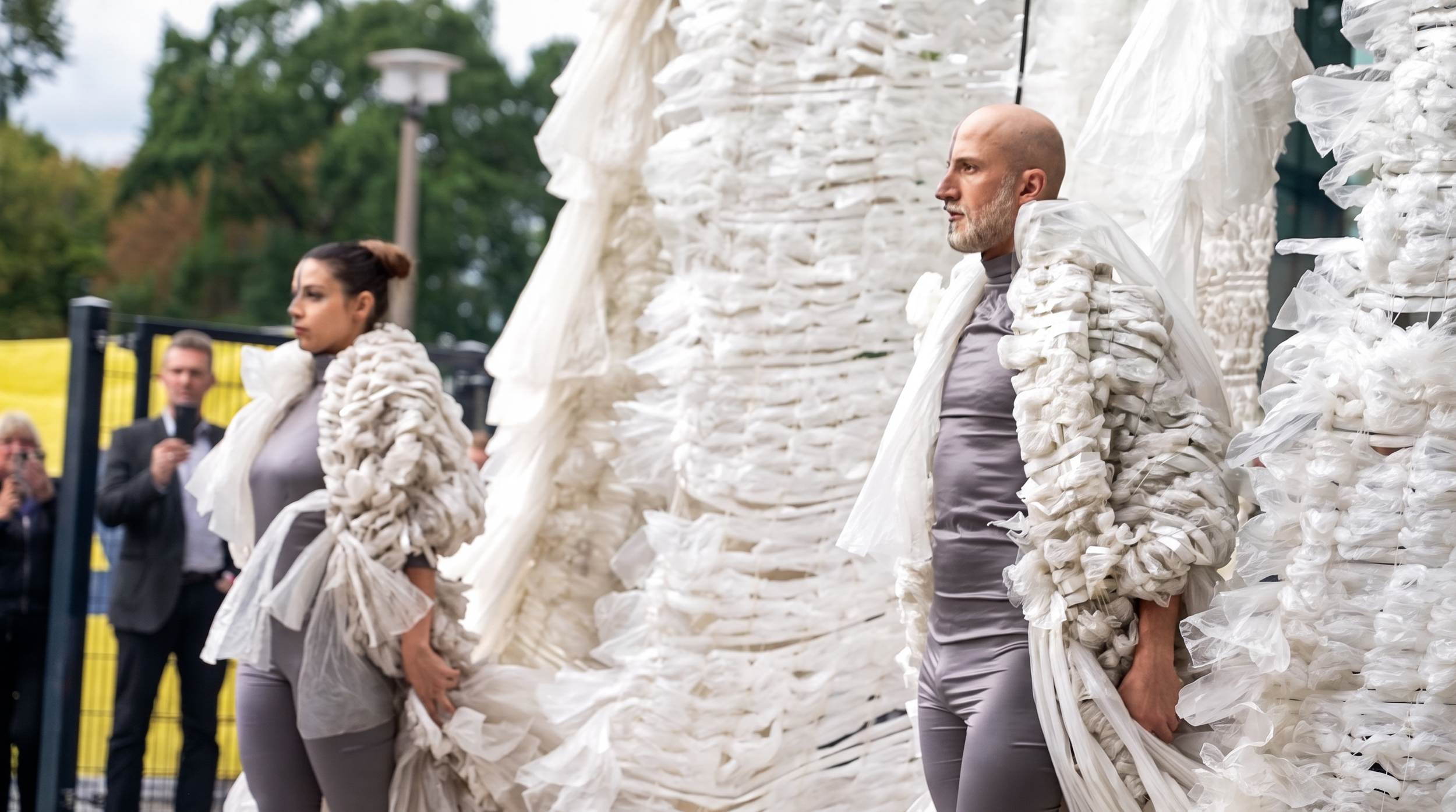
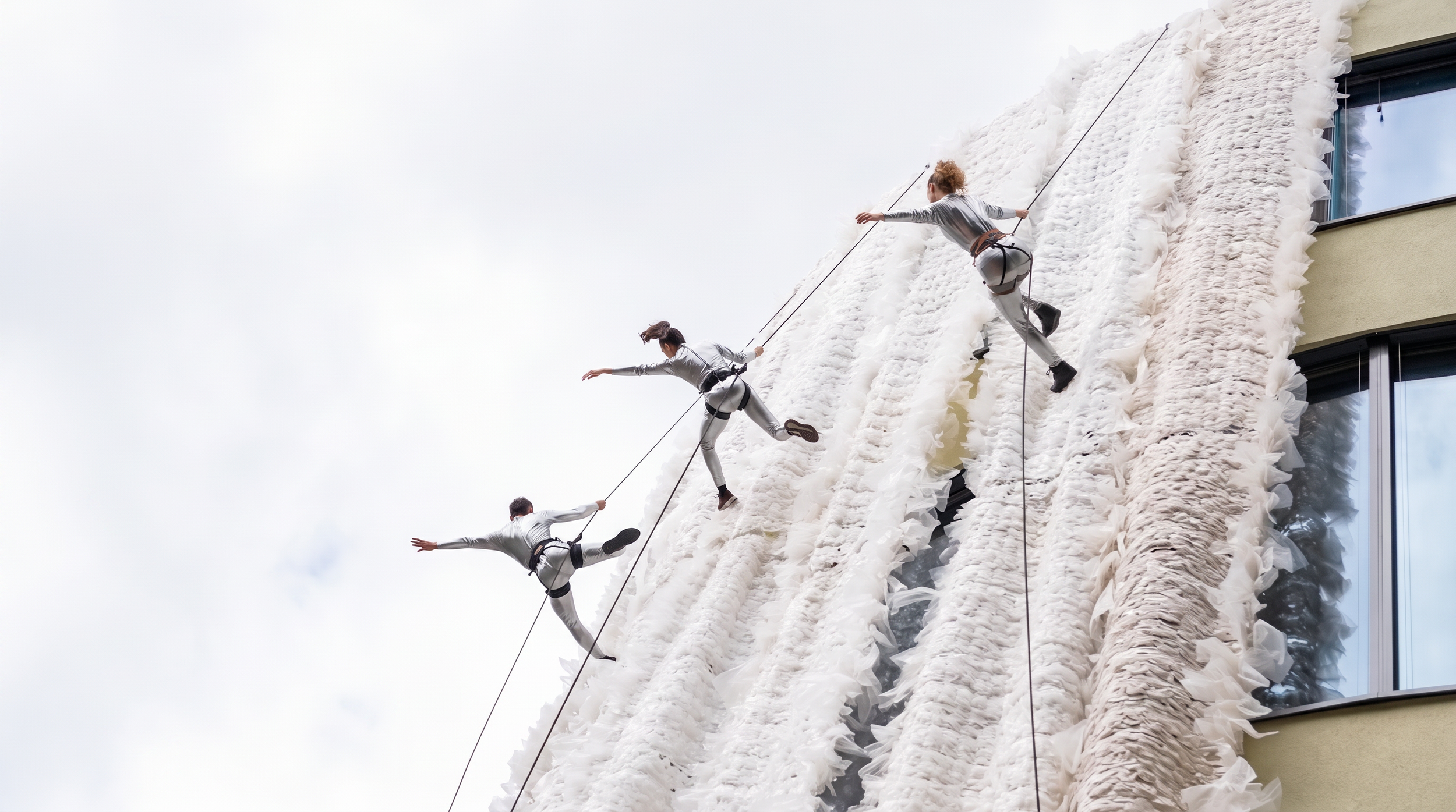
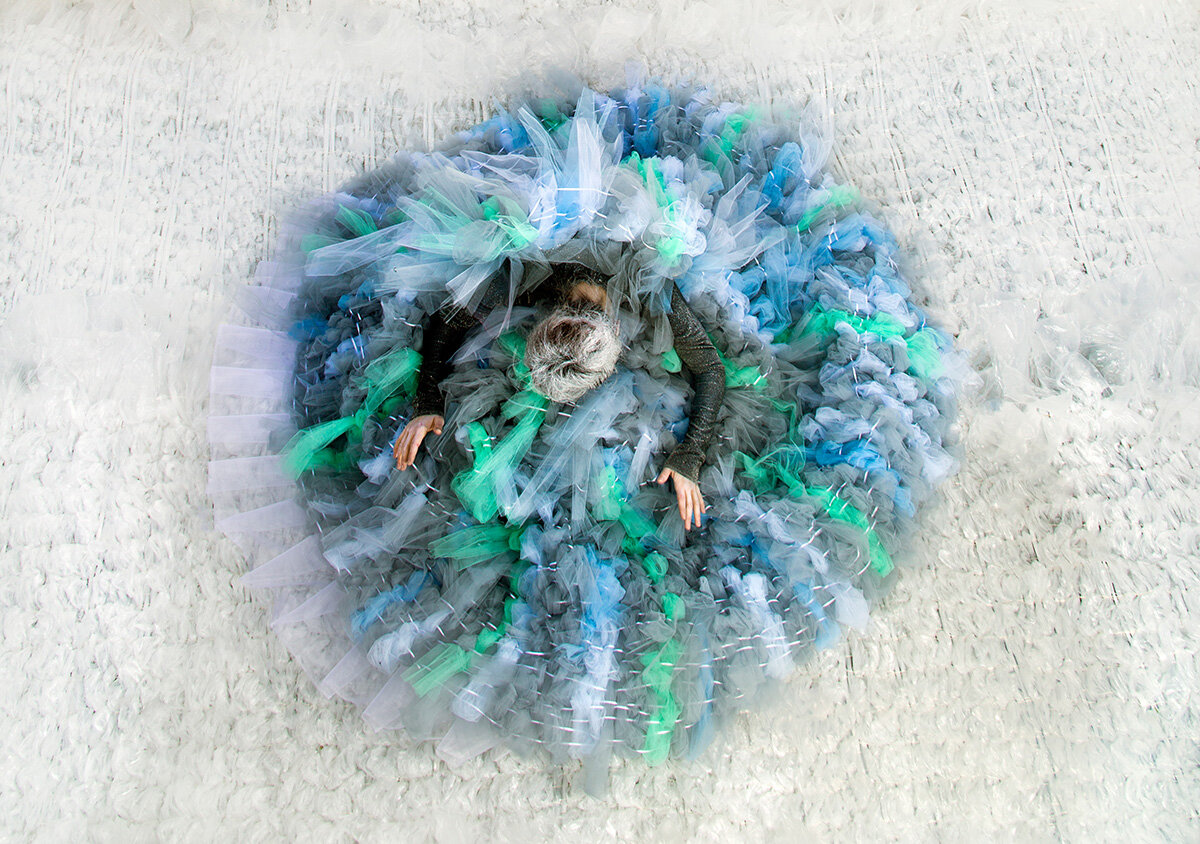
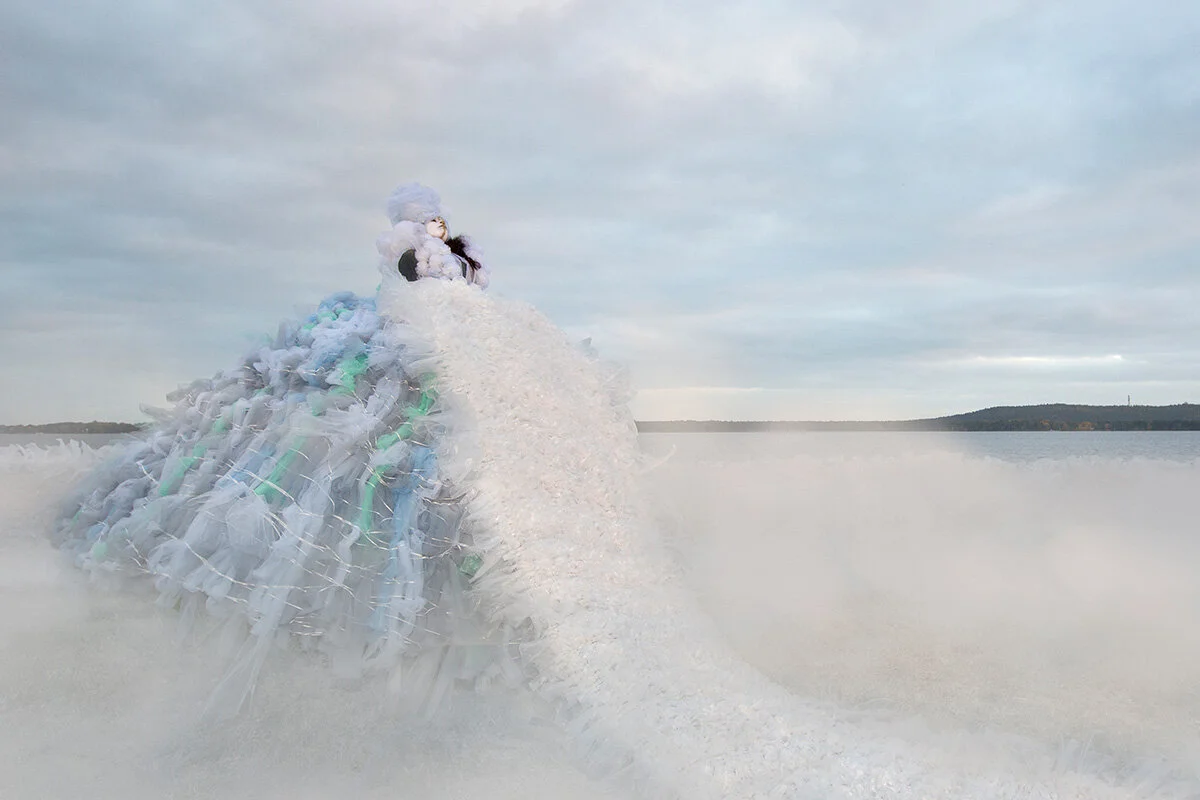
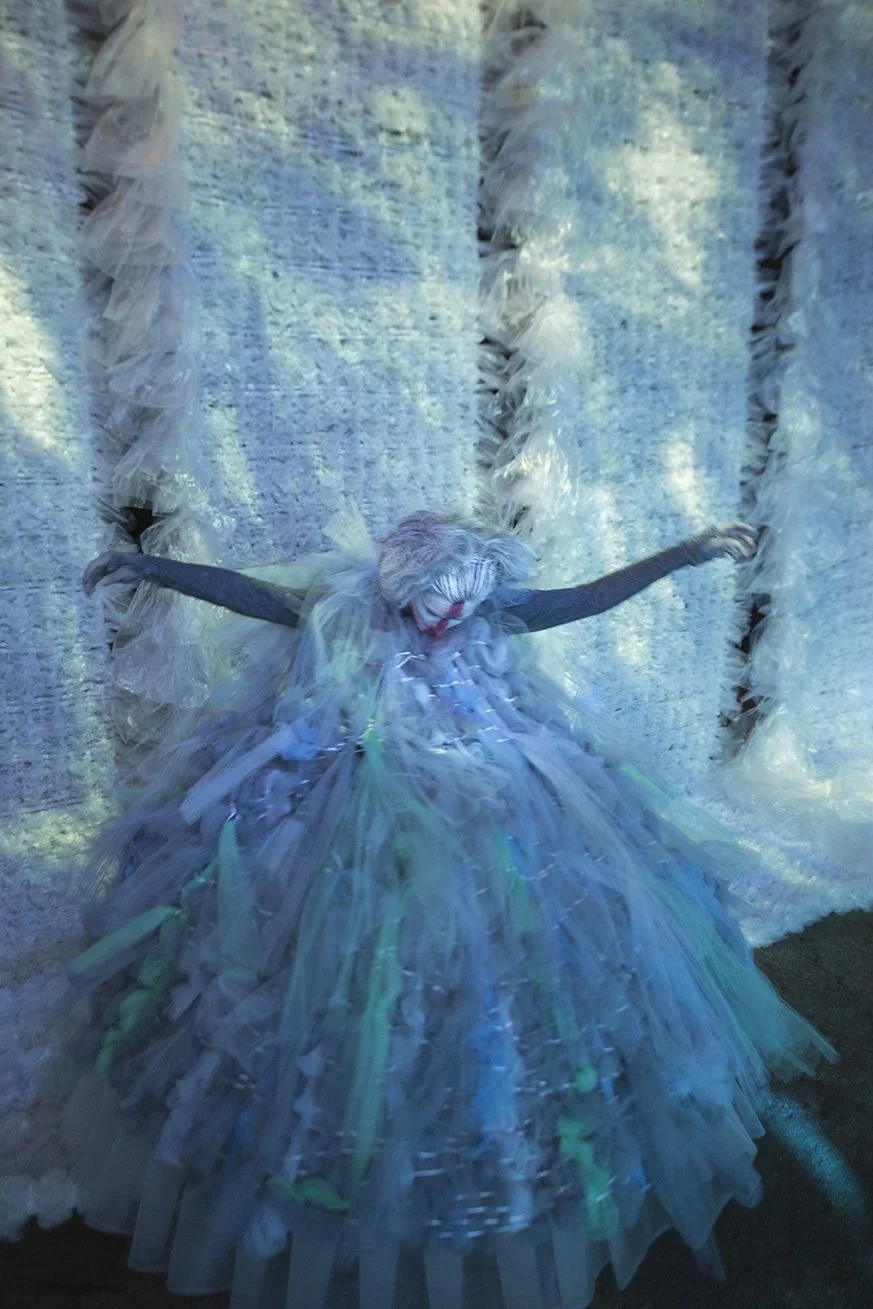
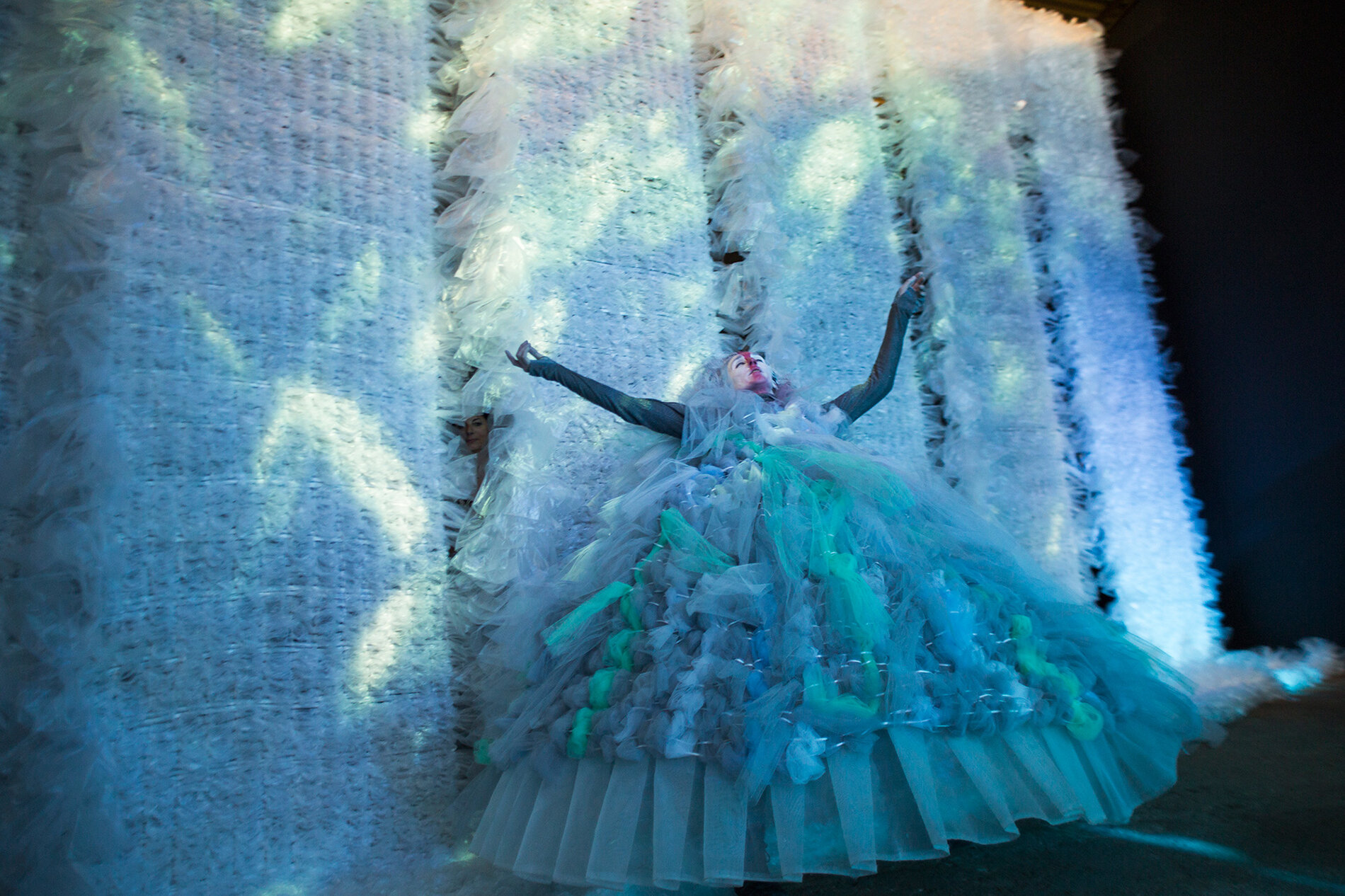
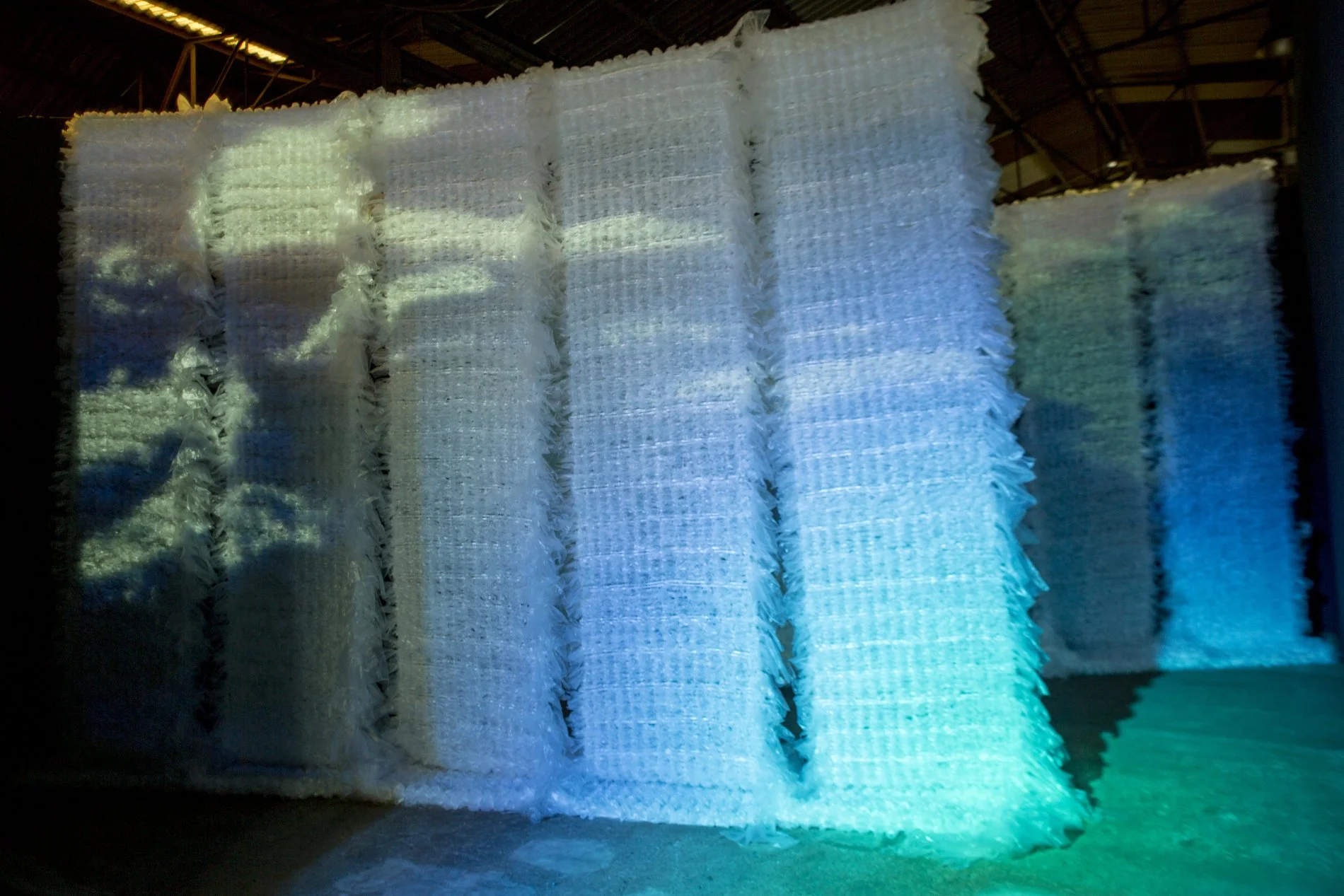
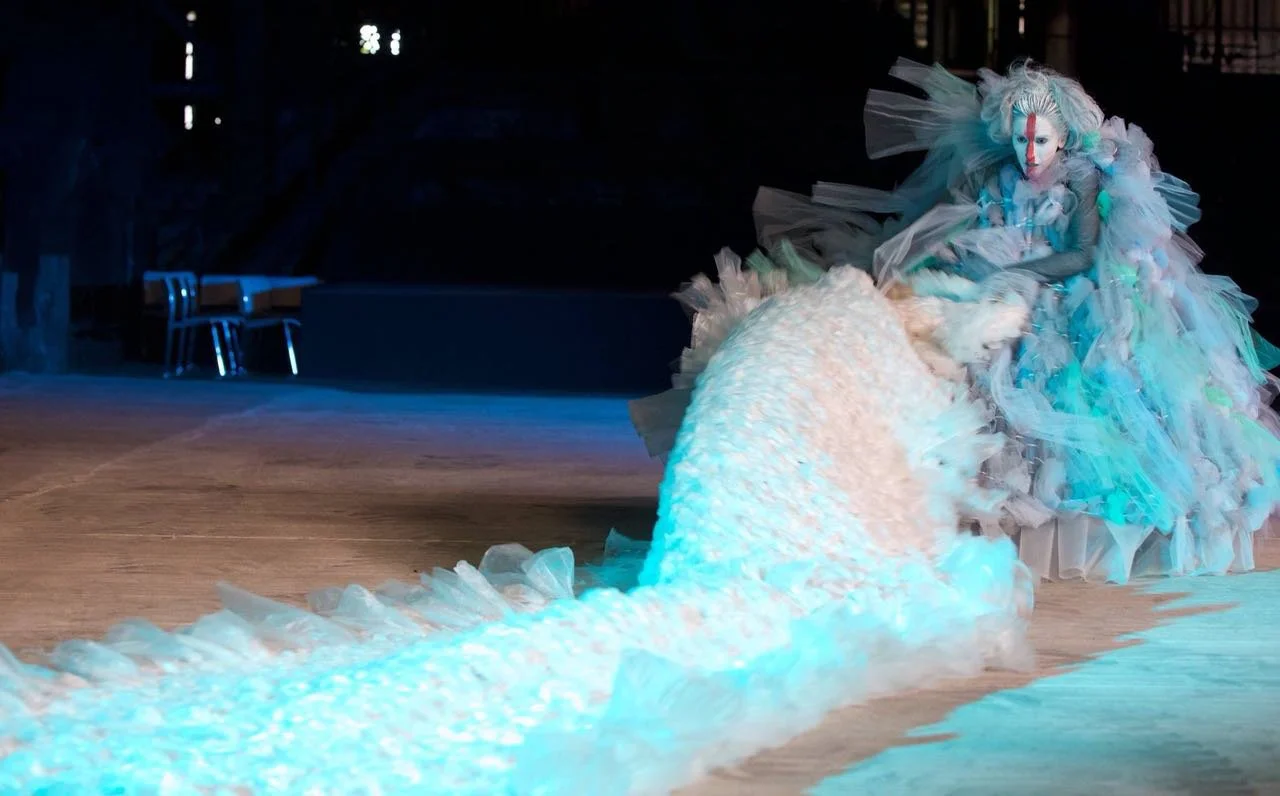
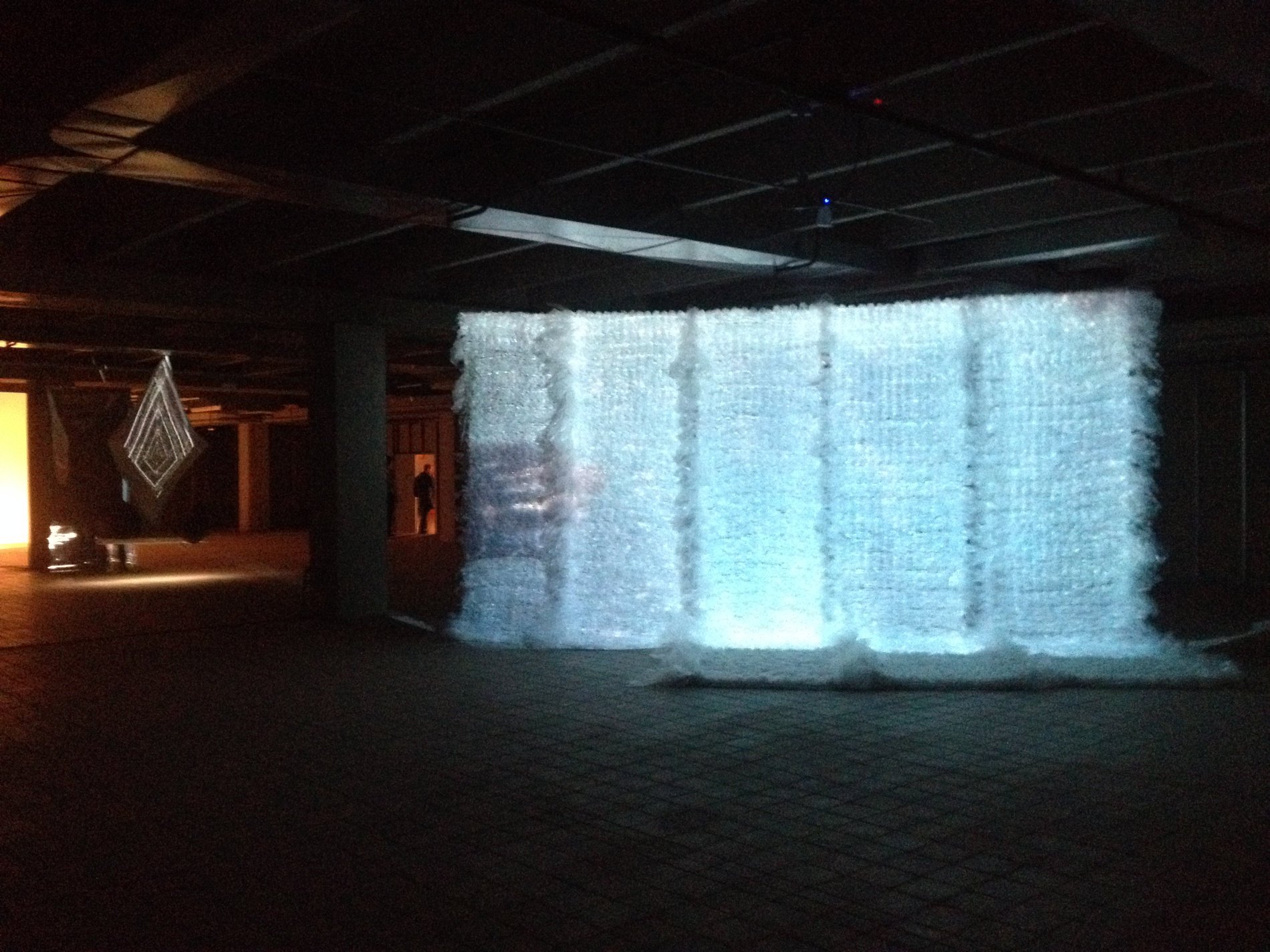
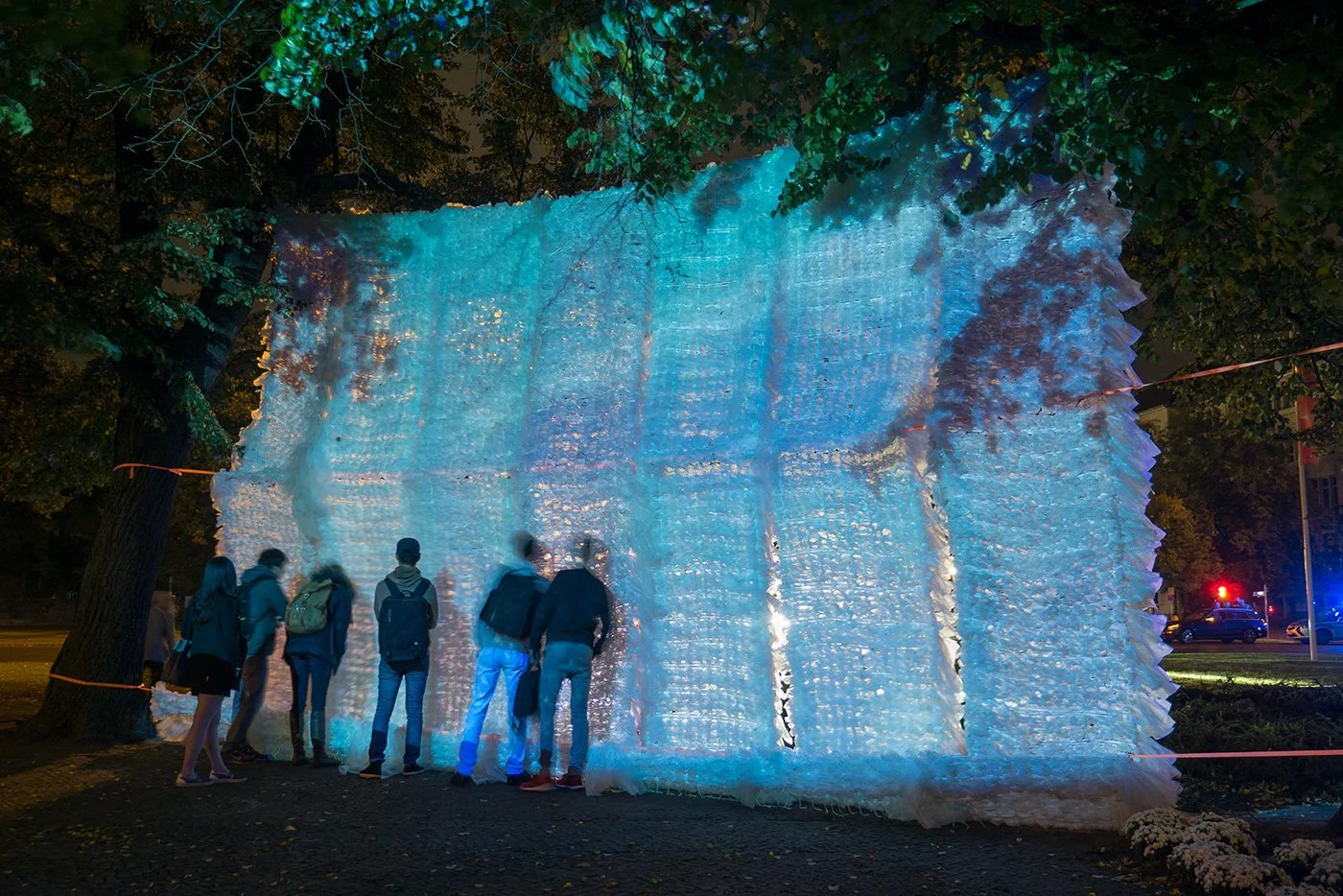
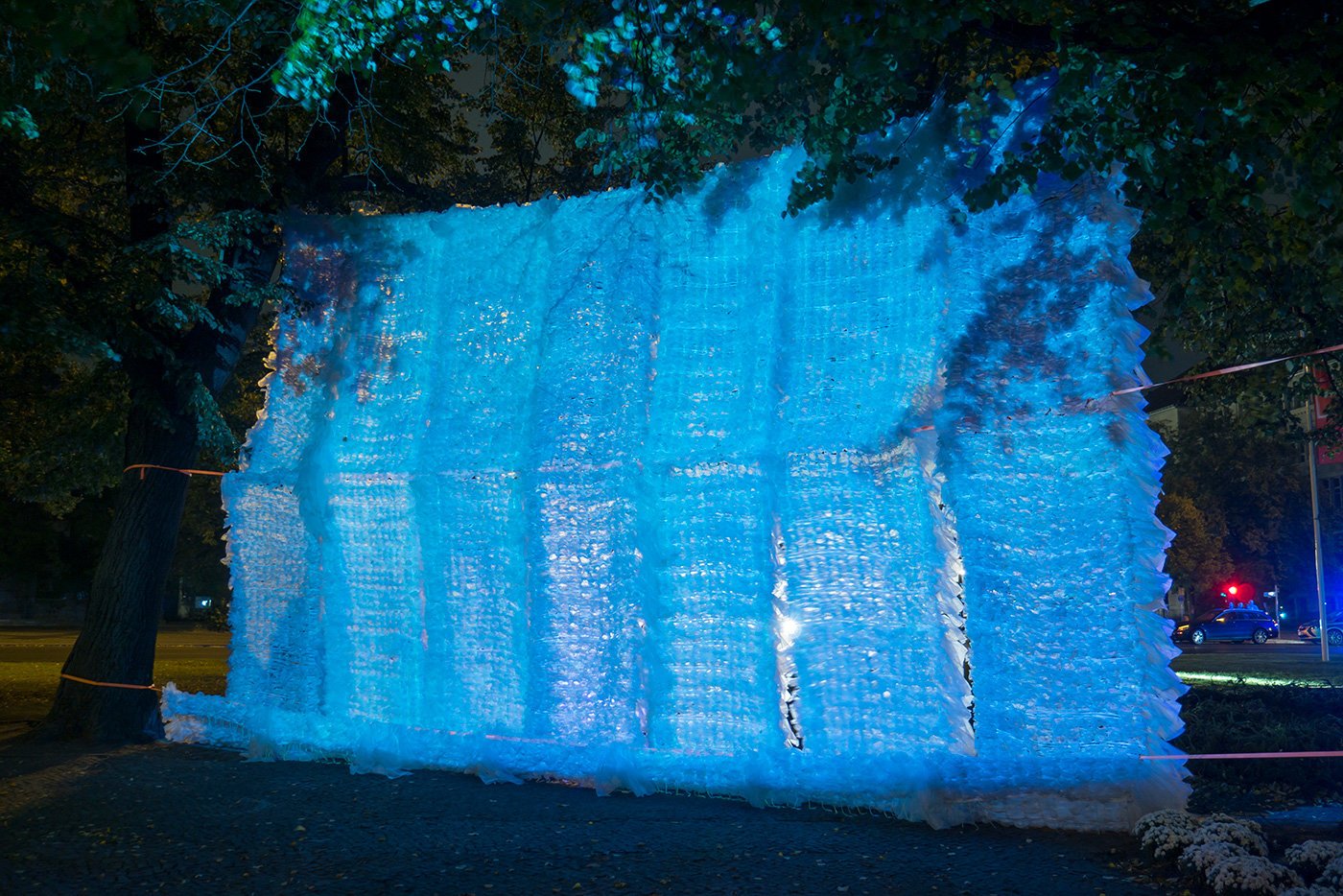
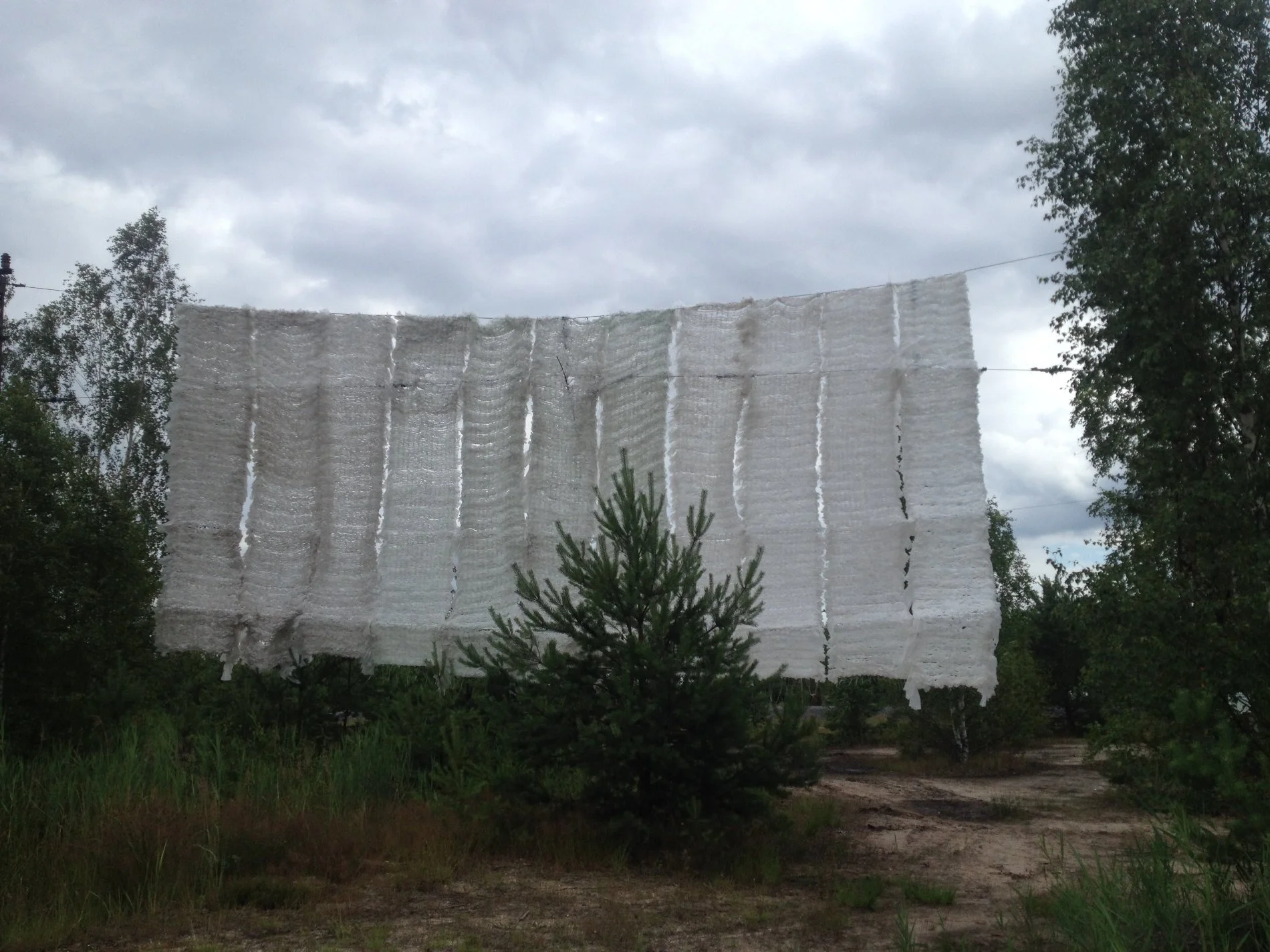
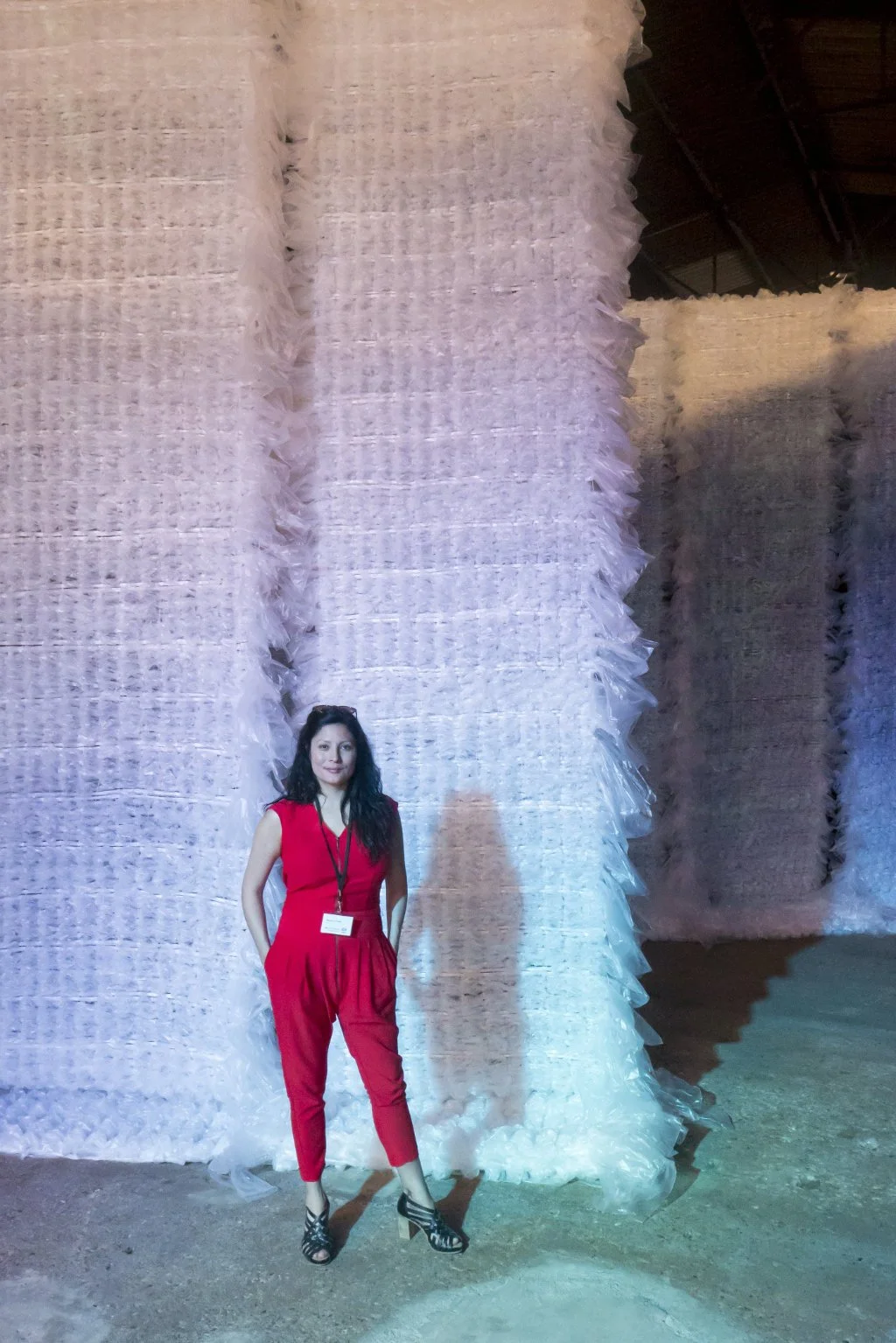
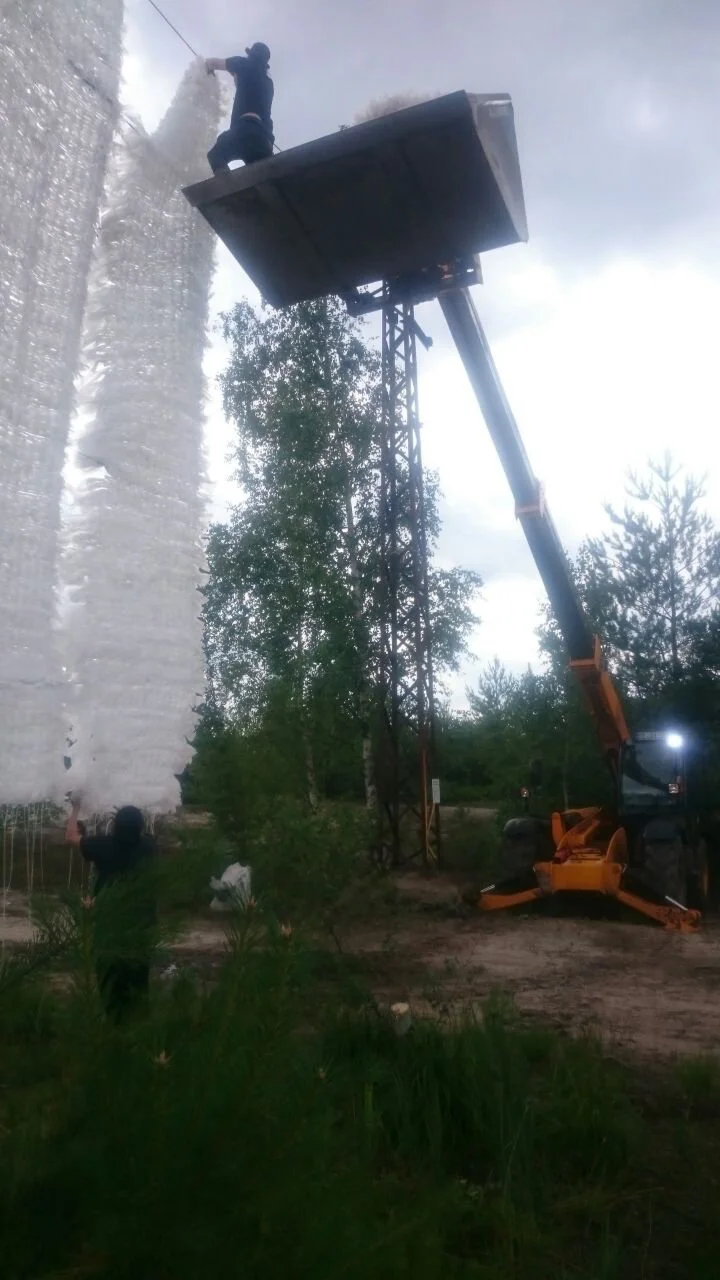
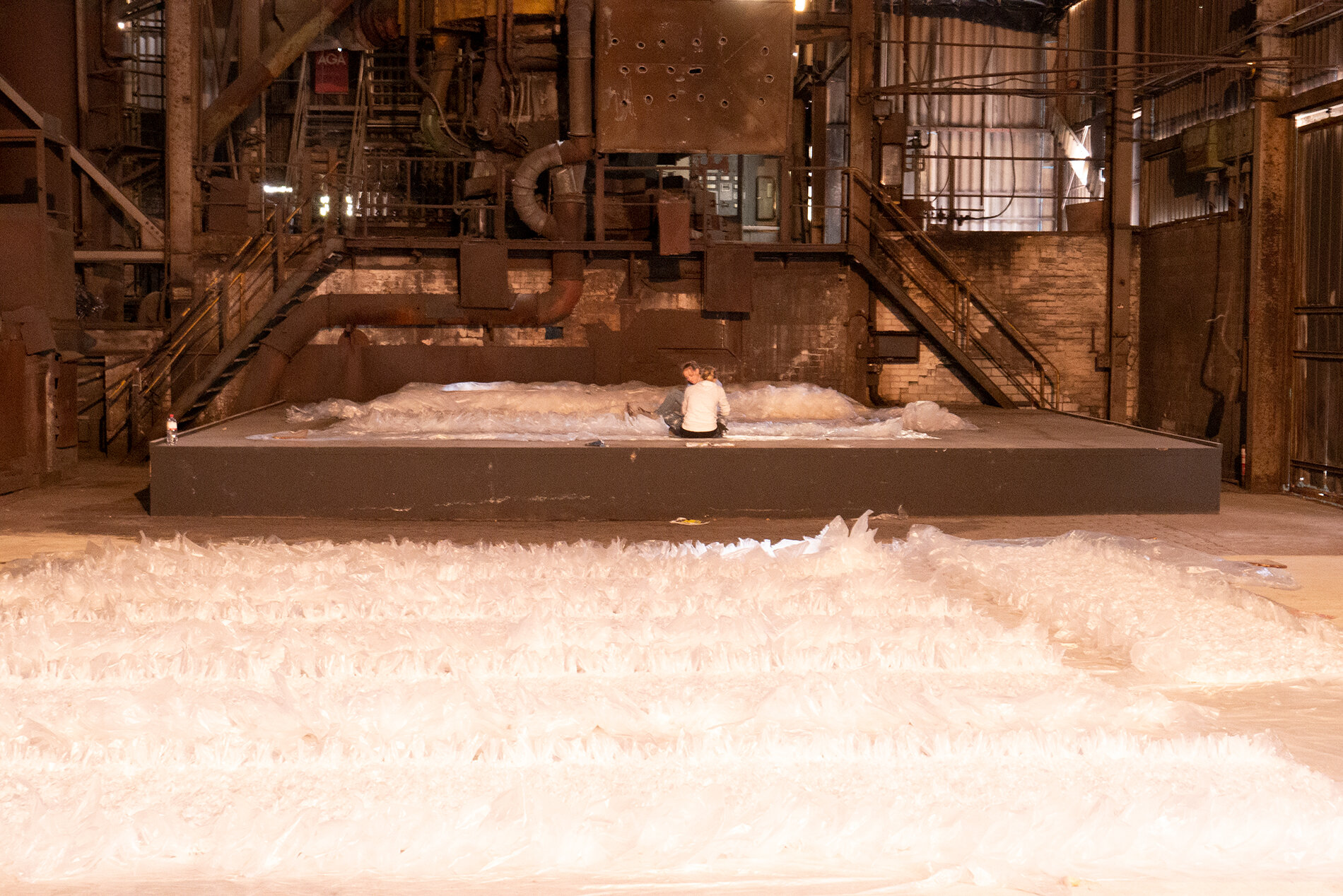
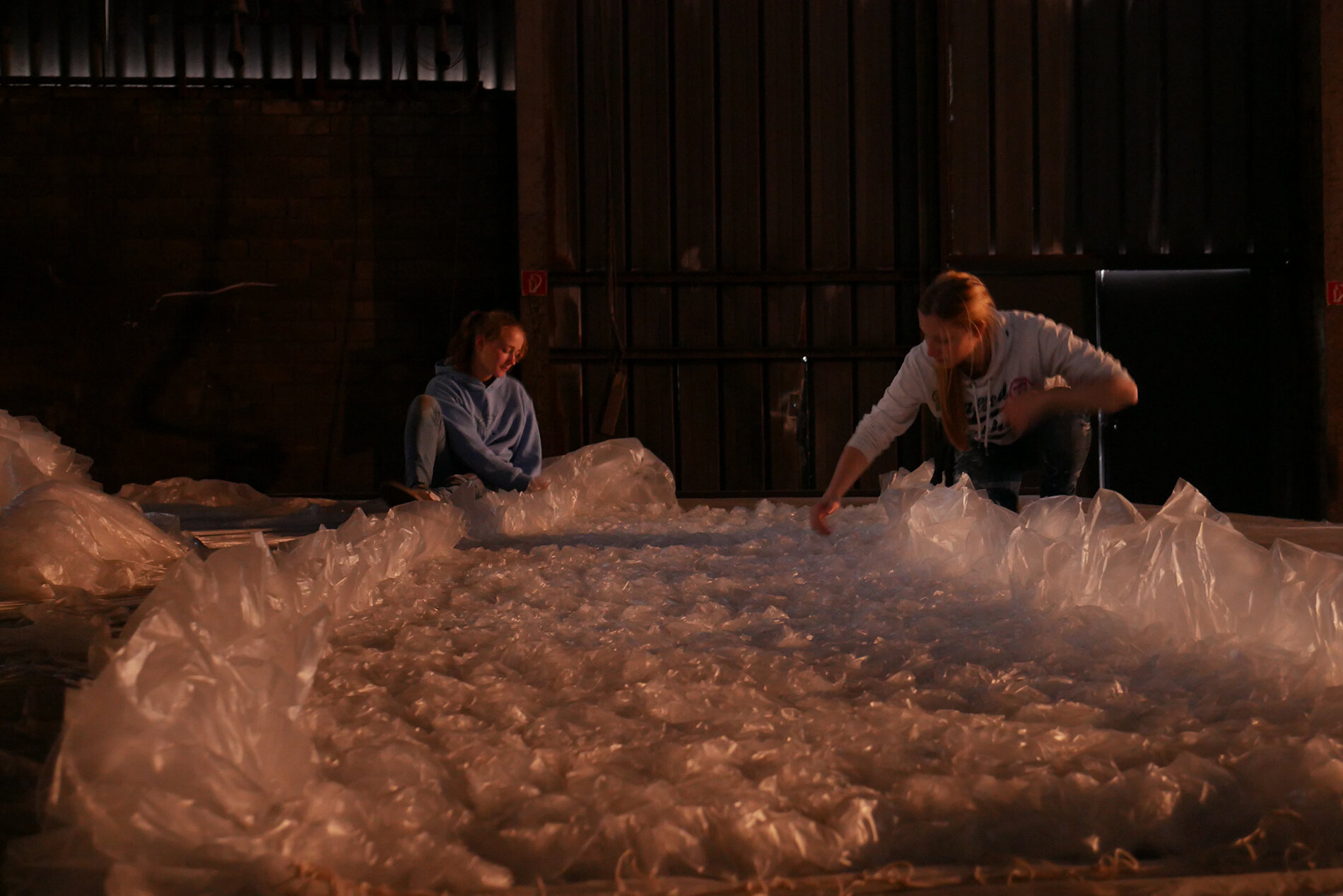
Large translucent sails, woven from industrial plastic on a traditional Mapuche loom, interact with video, sound, light and performative figures wearing sculptural costumes inspired by Butoh and physical theatre. Together, they transform the myth of the ghost ship into a spatial experience in which body, landscape and memory intertwine.
In some configurations, proximity sensors allow the installation to respond directly to the presence of the viewer, transforming the soundscape as they approach.
The reuse of plastic through an ancestral textile technique creates a tension between tradition and industrial production, transforming discarded material into a space for memory and reflection on the ocean, cultural identity and environmental fragility.
Each new version of Caleuche responds to the place in which it is presented. The work evolves with every installation, incorporating new relationships between architecture, light, movement and territory while remaining the same work.
| Year | 2014 – ongoing |
|---|---|
| Format | Evolving immersive multimedia installation and live performance |
| Media | Industrial plastic packaging woven on a traditional Mapuche loom, translucent textile, video projection, interactive sound, proximity sensors, soprano voice, light, sculptural costume and Butoh-inspired movement |
| Dimensions | Variable according to venue |
| Duration | Installation: continuous or looped, to be confirmed. Performance version: variable |
| Configuration | Installation, performance or combined site-responsive presentation, subject to production assessment |
| Location | Adaptable to institutional, gallery, festival and site-responsive contexts |
| Availability | Available for exhibitions, festivals and commissions, subject to confirmation |
| Credits |
Interactive programming:
Mirko petrovic
Video installation:
Marjorie Chau and Malte Kebbell
Costume design & textile installation:
Marjorie Chau
Costume assistance:
Claudio Aguirre
Assistant:
Daniela Carrasco
|
Chronology
2025 — Humboldt Laboratory at the Humboldt Forum, Berlin
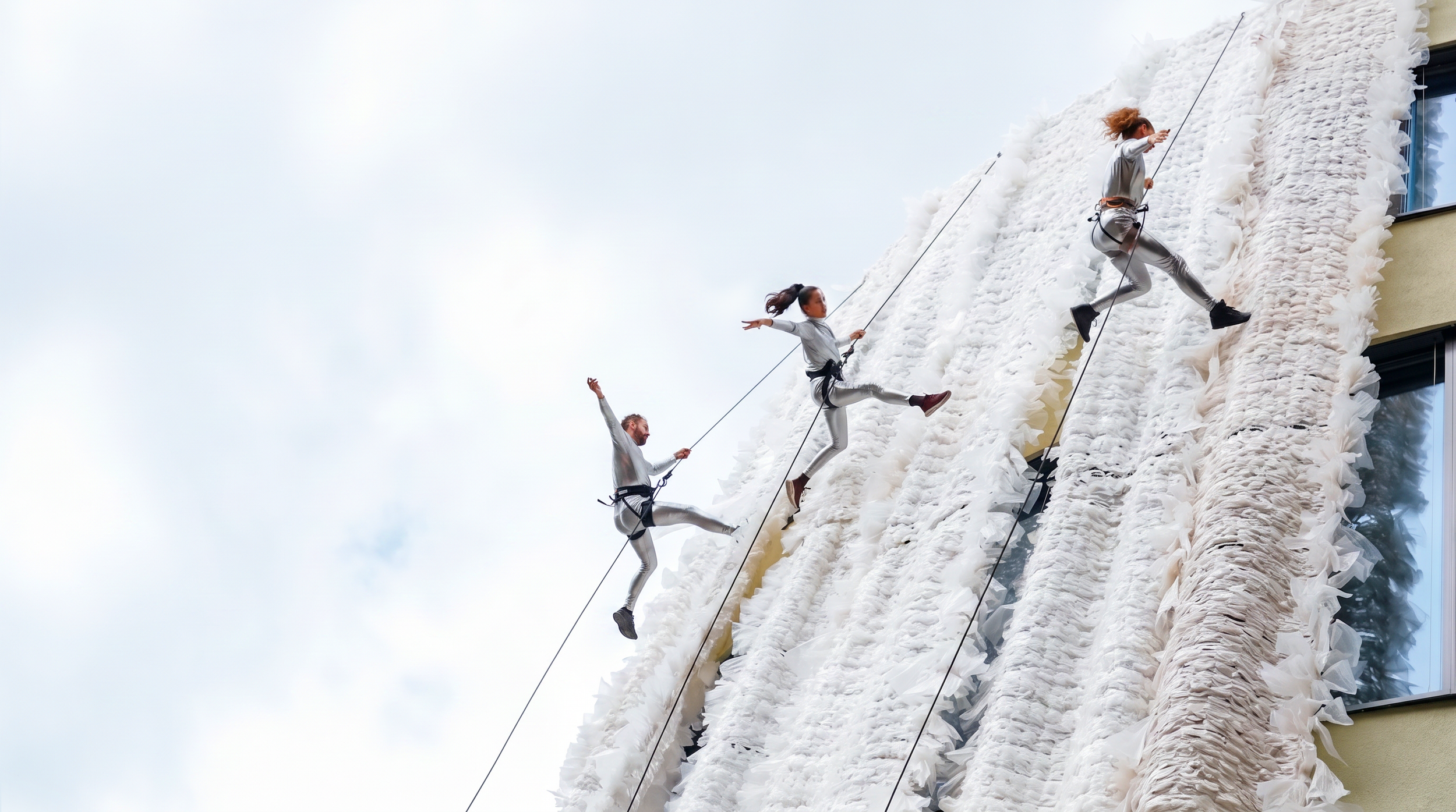
2024 — Aerial Dance Version at Schule Eins, Berlin
2018 — The Universal Sea: Selected among the Top 100 submissions of the organisation’s first international open call focused on art and ocean sustainability.
2016 — NordArt, Büdelsdorf, Germany: Three-part installation.
2016 — Lottozero Opening, Prato, Italy
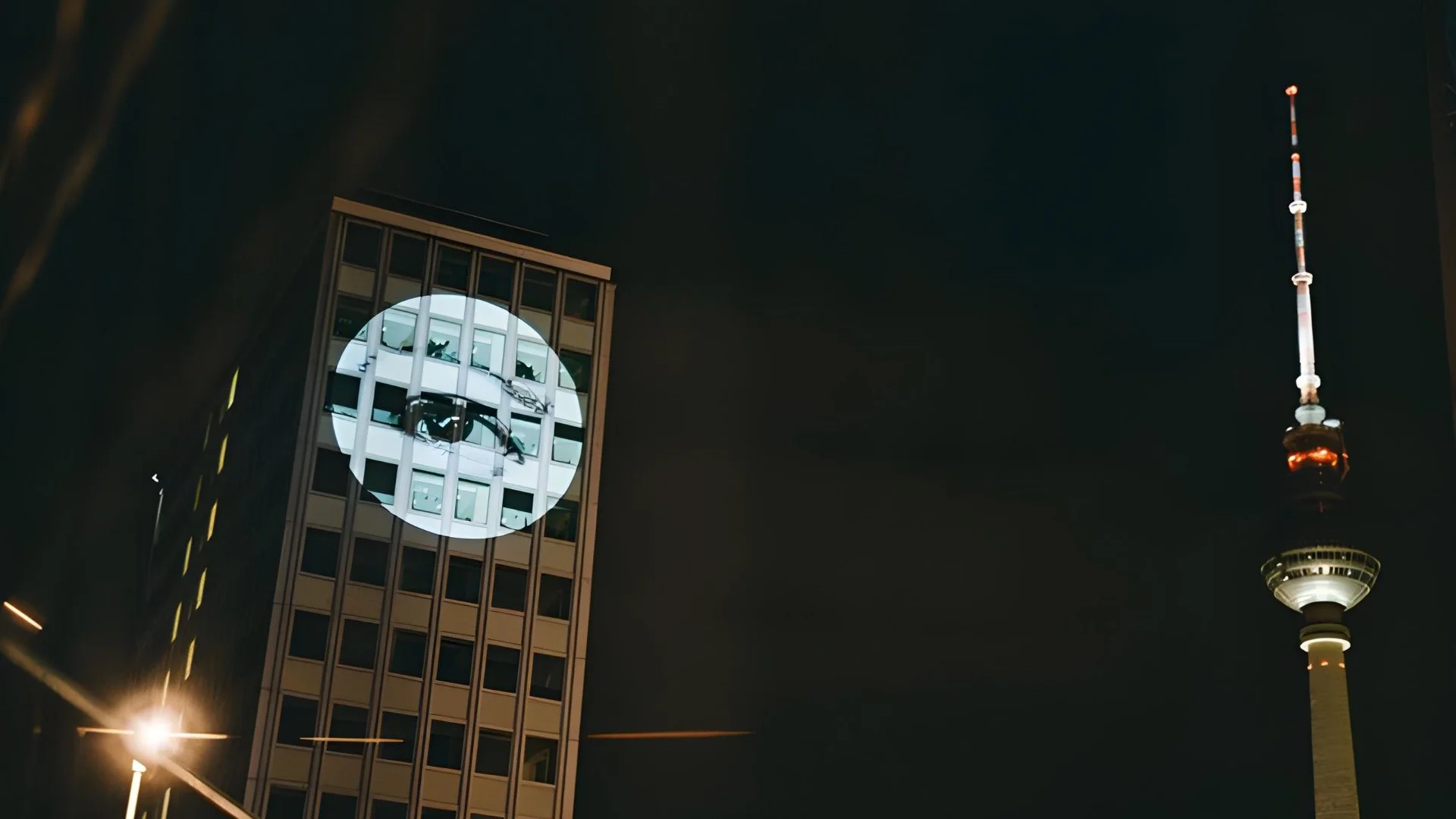
2016 — Berlin Leuchtet, Ernst-Reuter-Platz, Berlin, Germany
2016 — Luminale, Naxoshalle, Frankfurt, Germany
2015 — Performance version: Sculptural costume and performance
-
A Ghost Ship Between Memory and Transformation
Caleuche originated during a journey through the Chiloé Archipelago, where the encounter between the mythology of the ghost ship, the presence of sea lions and the plastic waste floating in the ocean gave rise to the work. During this journey, Marjorie Chau filmed the animals in their natural environment. These recordings later became a central element of the video production and the projections within the installation.
Rather than simply illustrating the legend, Caleuche brings it into the present. Industrial plastic packaging is transformed by being woven on a traditional Mapuche loom, establishing a dialogue between ancestral textile knowledge, the moving image and one of the most urgent environmental issues of our time.
The choice of the Mapuche loom is not merely a technical decision. It reflects the artist’s interest in preserving and bringing visibility to one of the most important living cultural traditions of southern Chile. Weaving is no longer only a construction process; it becomes an act of transformation through which discarded material acquires a new life as memory, light and image.
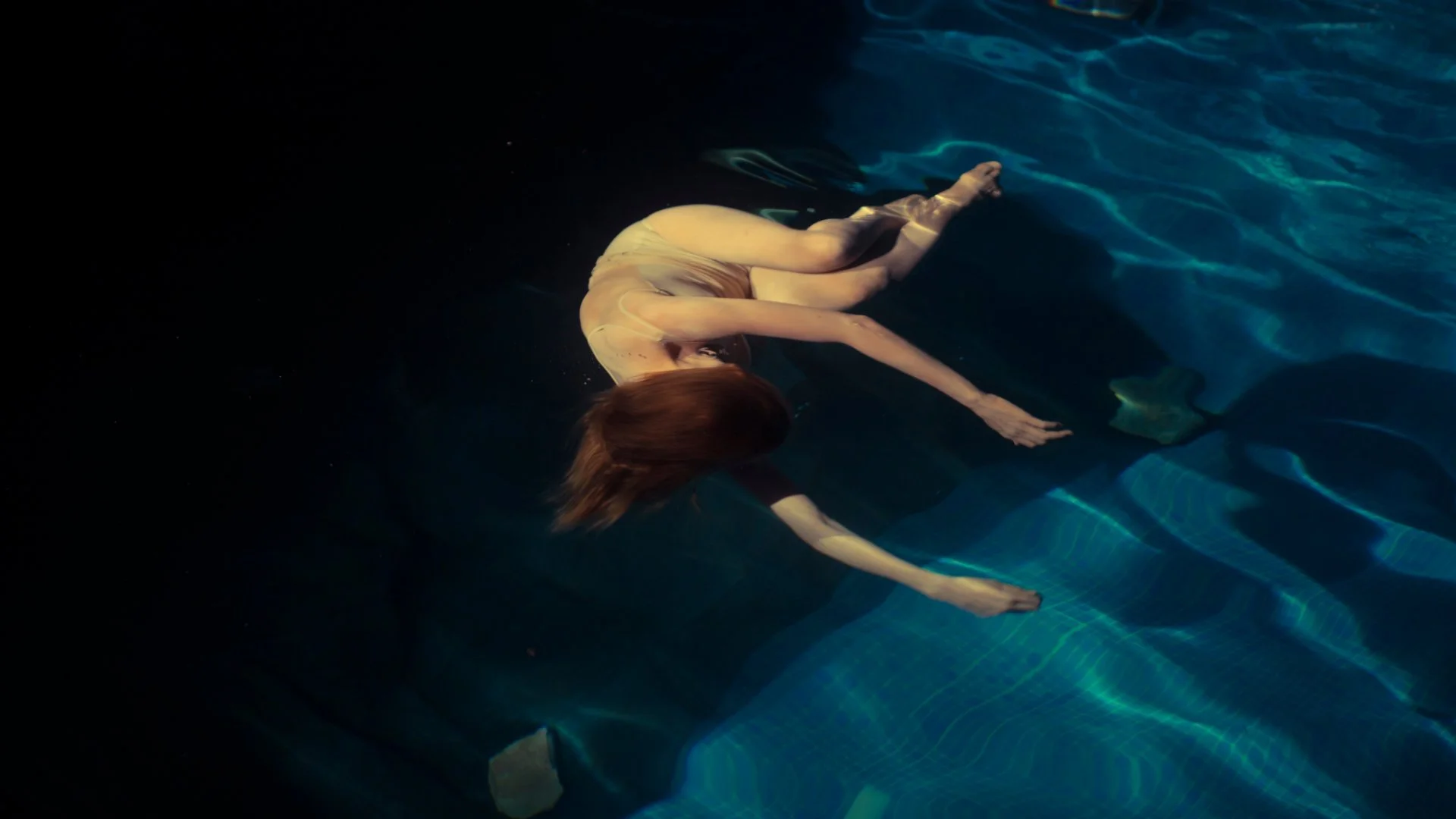
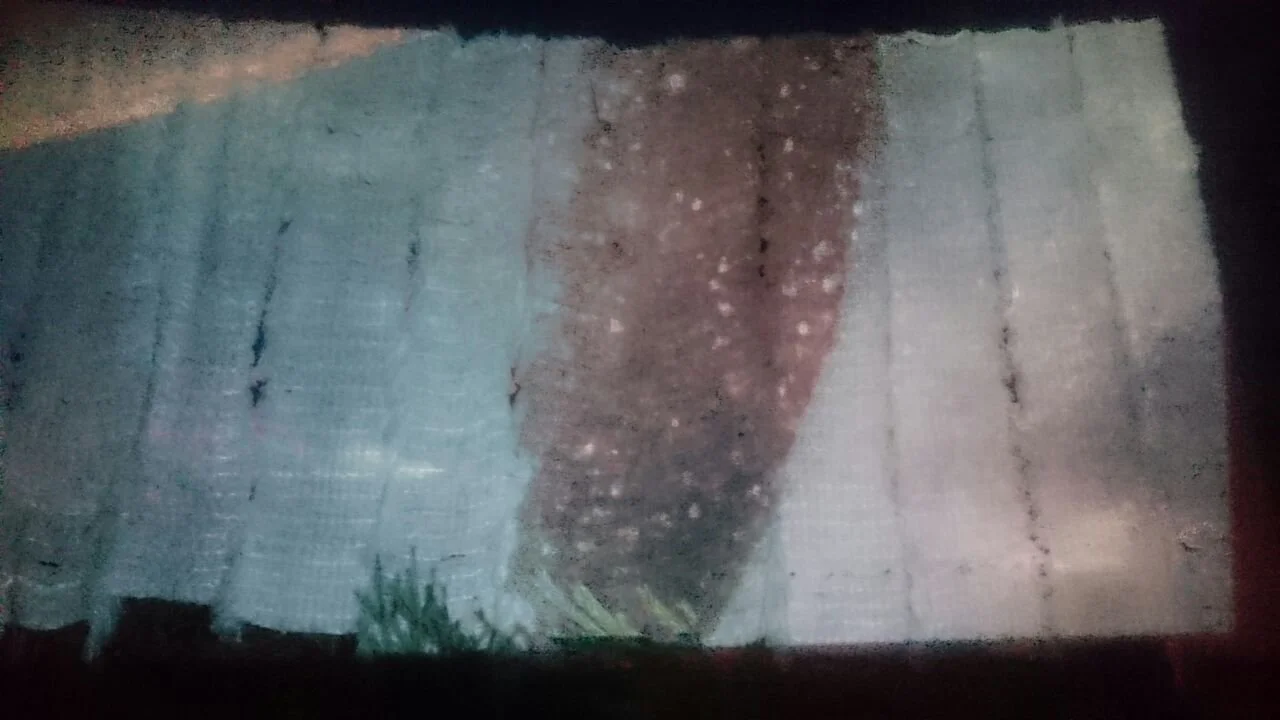
Underwater footage and images of sea lions appear and disappear across the large translucent surfaces, transforming the textile into a membrane for moving images. From a distance, the installation appears light and almost ethereal, evoking sails, marine forms or floating surfaces. Only upon approaching does the viewer discover that it is woven entirely from industrial plastic. Its beauty invites the viewer closer; the material then reveals the work’s critical dimension.
The Viewer as an Activator
In some configurations, Caleuche incorporates an interactive dimension. As the viewer approaches the sail, proximity sensors gradually transform the soundscape: the sound of the sea gives way to a ship alarm.
The viewer’s proximity activates a warning, turning the encounter with the work into an experience of awareness. The sail is no longer a static element but responds directly to the visitor’s presence. In this way, interaction reinforces the work’s environmental dimension, suggesting that our relationship with the ocean is not one of passive observation, but also one of responsibility.
Each presentation of Caleuche responds to the site in which it is installed. The work may exist as an installation, a performance or a combination of both. Its textile architecture, video projection, light, sound and bodily presence adapt to each context and evolve with every new version, while preserving the essence of a single work in continuous transformation.
Performance: The Ghost Ship as a Living Body
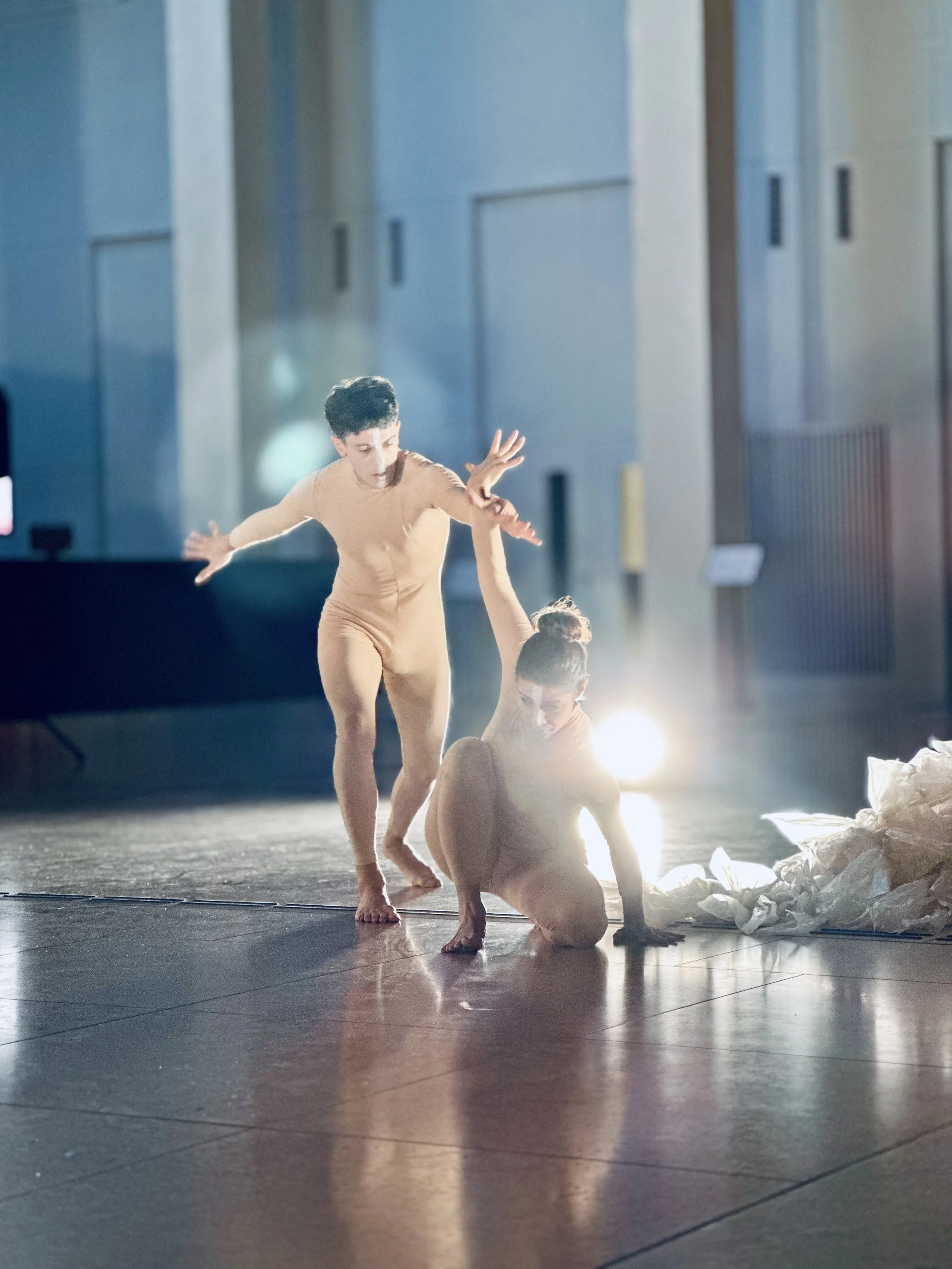
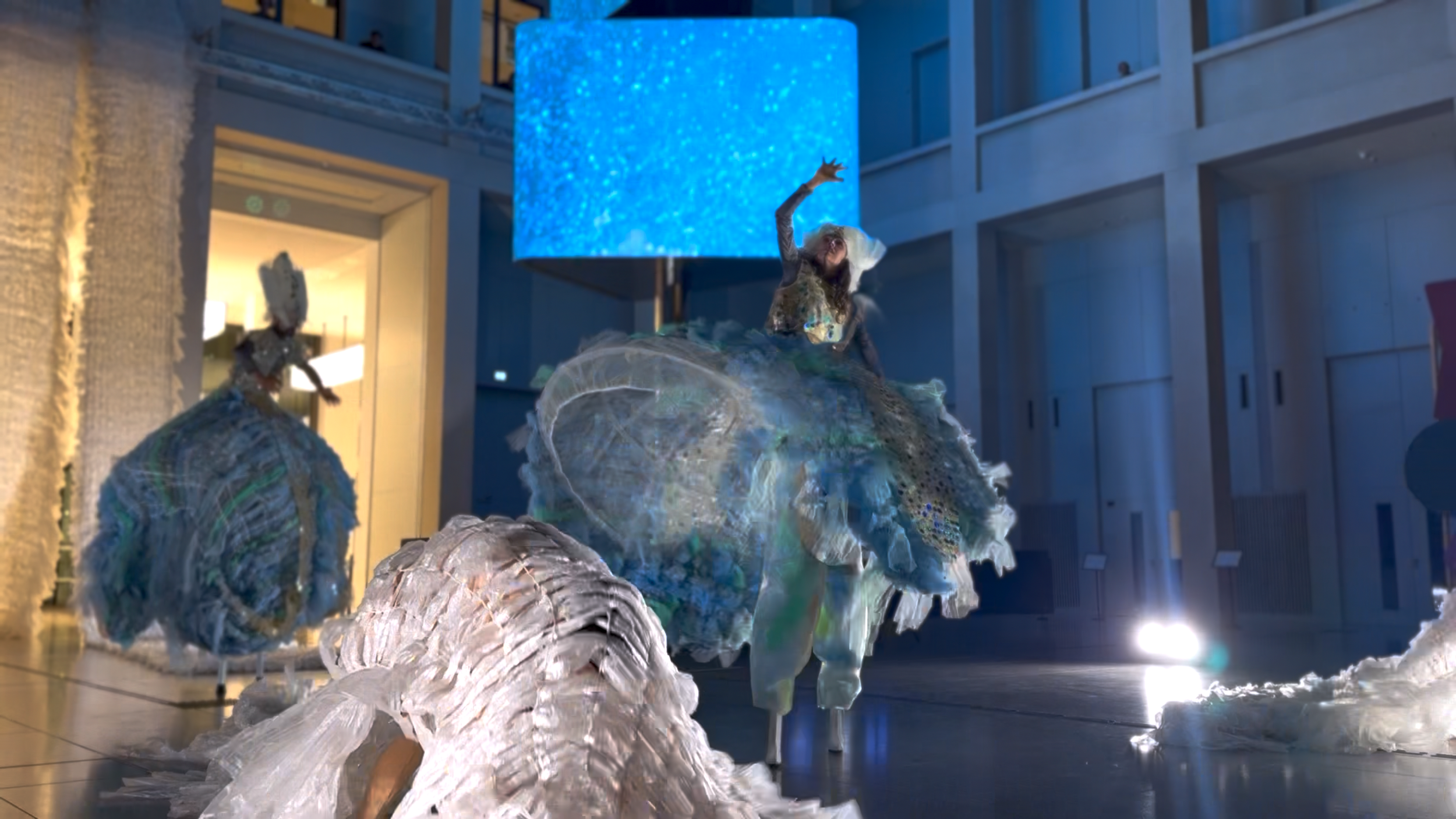
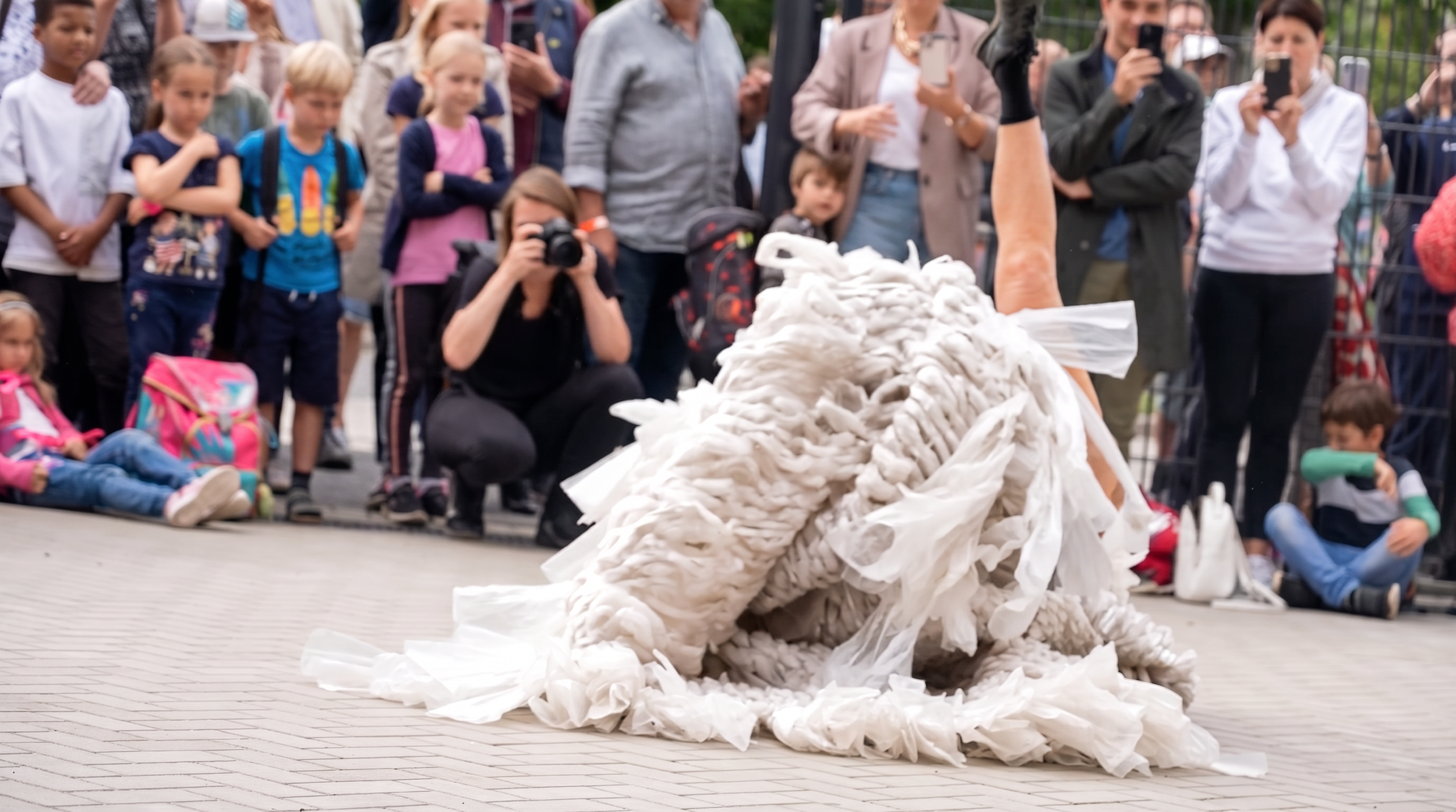
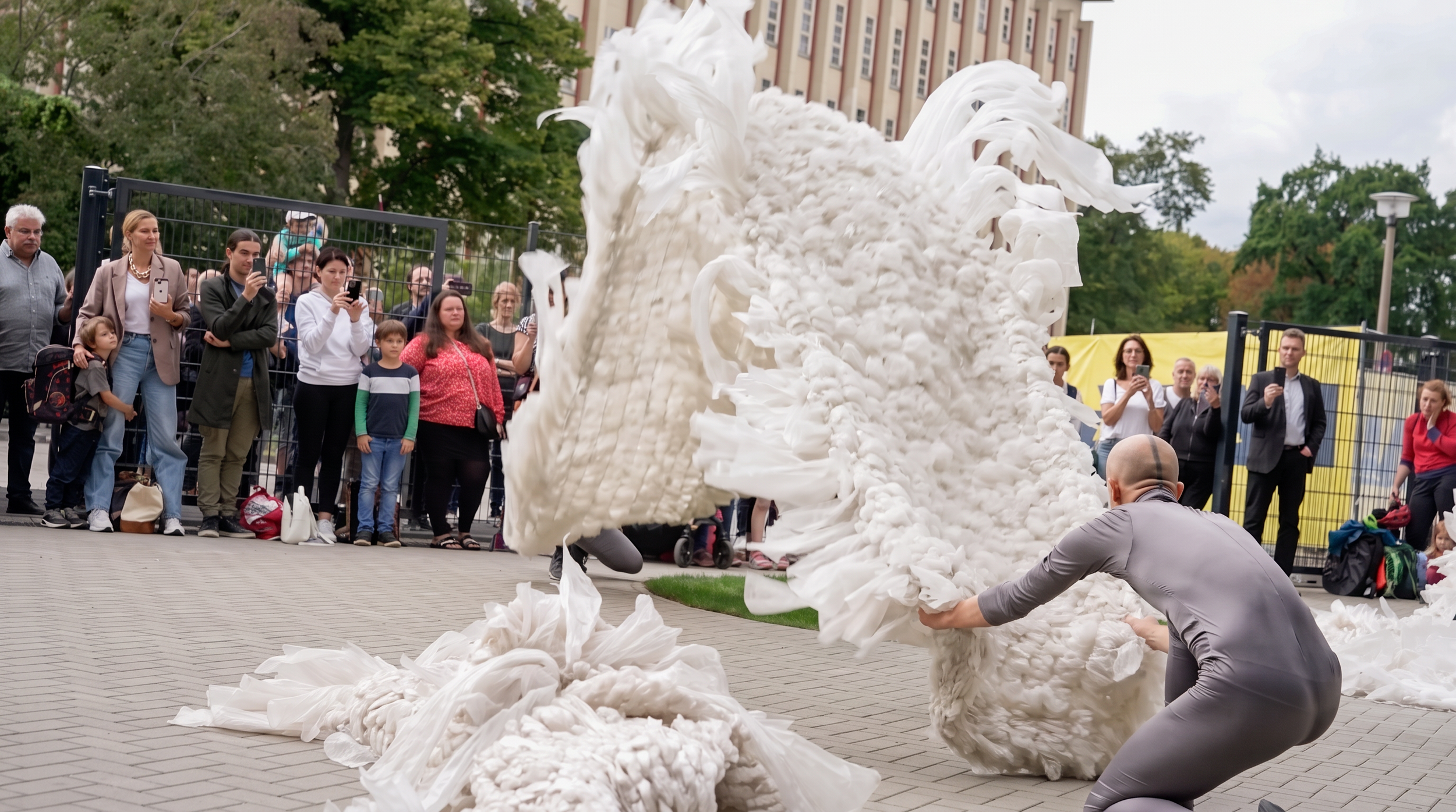
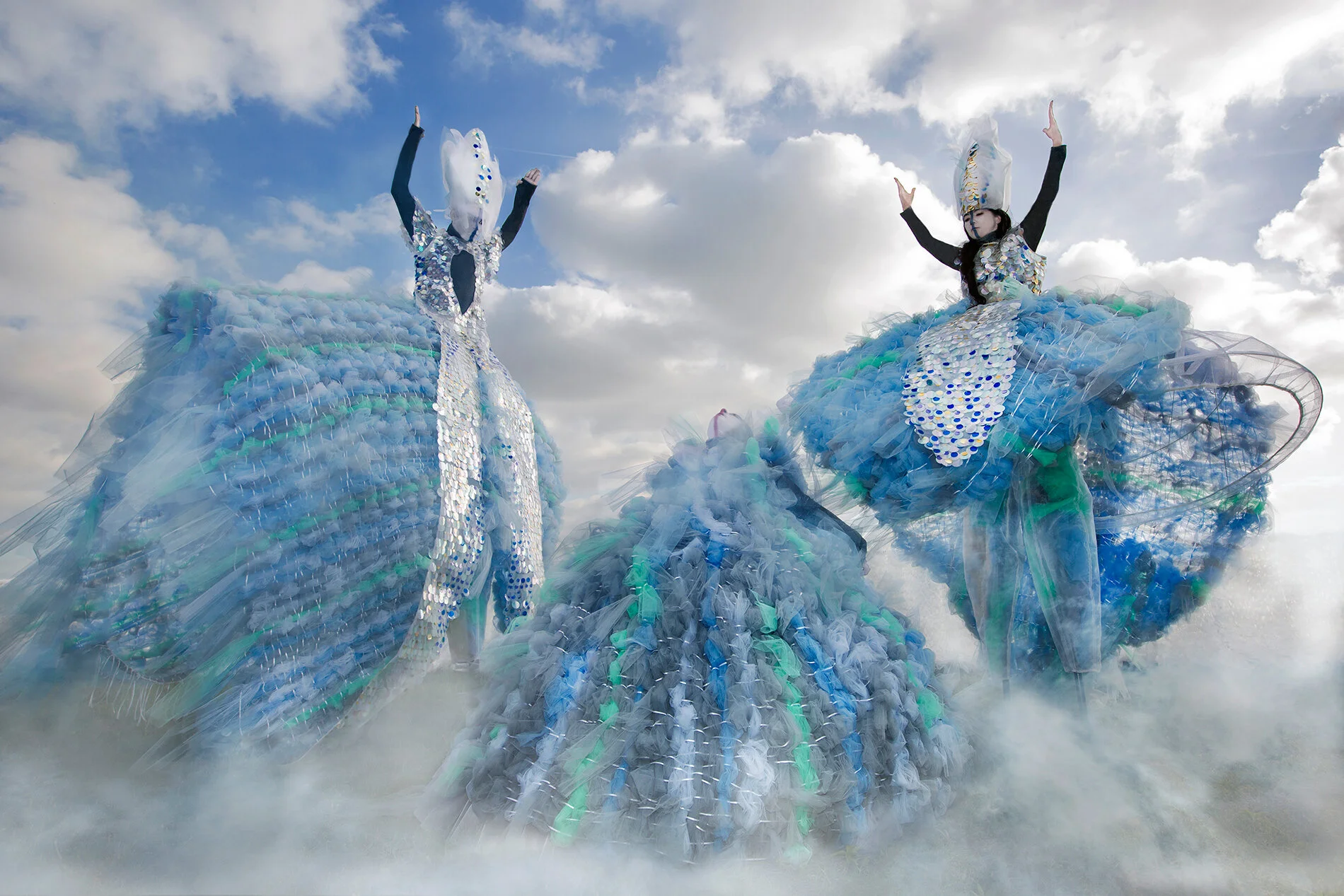
In the performative version of Caleuche, the space is activated through sculptural costumes, figures on stilts and a physical language inspired by Butoh, physical theatre and contemporary dance. The performer does not simply appear in front of the installation; the body becomes another sail, another wave or an apparition within it.
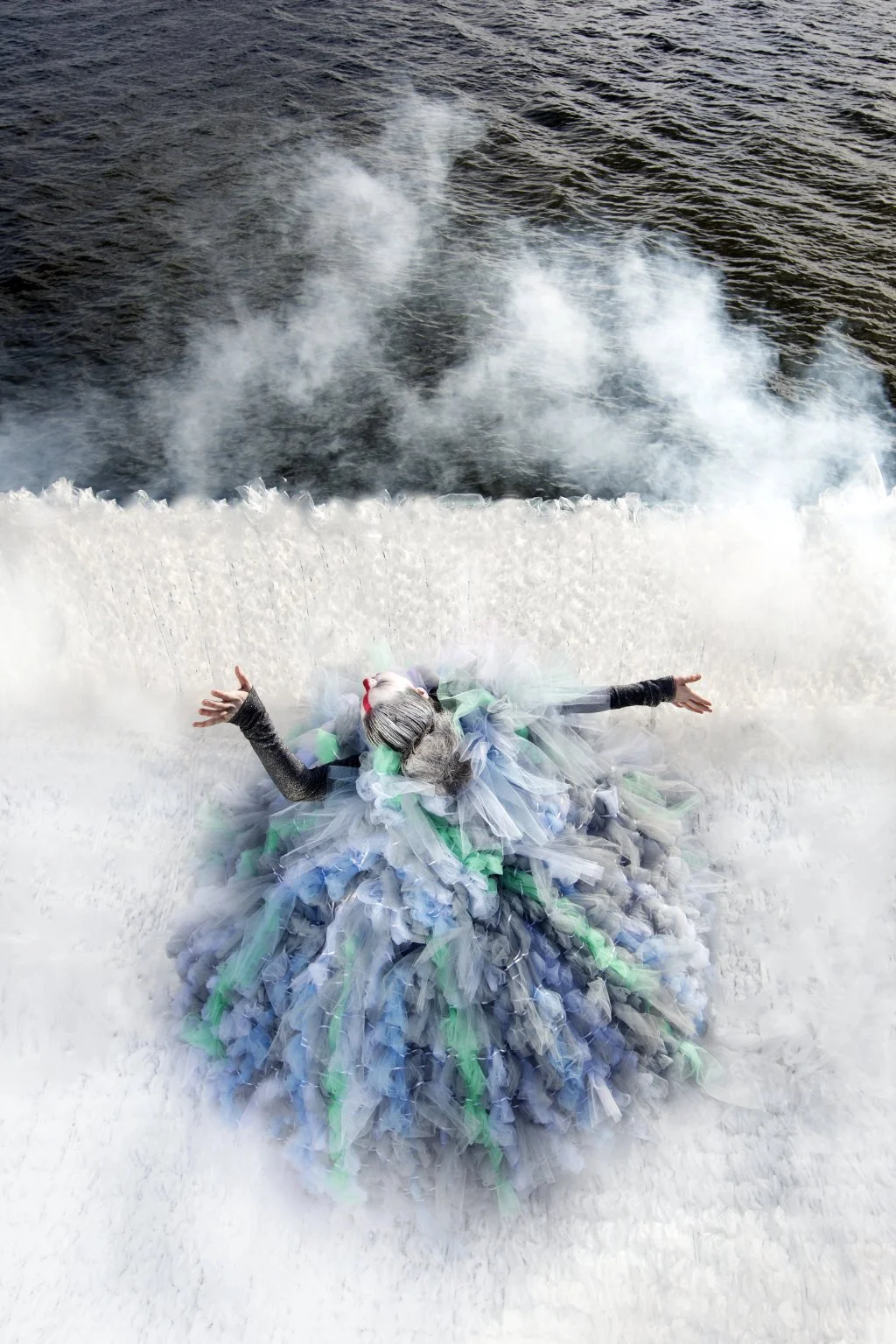
The slow transformations of volume, scale, weight and silhouette extend the presence of the ghost ship into a living body. The translucent material of the costumes connects the moving figures with the woven surfaces of the installation, allowing architecture, landscape and body to appear as parts of the same organism in constant transformation.
This performative dimension intensifies the poetic and spiritual character of the work. The body seems to move across the same fragile membrane that separates the surface from the depths, myth from reality and the world of the living from that of the dead.
For this reason, Caleuche exists neither solely as an installation nor solely as a performance, but as a work in which textile architecture, video projection, sound, light and bodily presence continuously redefine one another.
A Work in Constant Evolution
Caleuche is conceived as an open and continuously evolving work rather than a fixed installation. Each new presentation redefines the relationship between textile architecture, video projection, sound, light, costume and performance according to the scale, history and conditions of the site that hosts it.
In some versions, the textile installation forms the centre of the experience. In others, the sculptural costumes and performance take on a leading role. These transformations do not create different works, but new chapters within the same artistic investigation.
The work can be presented as an installation, a performance or a combination of both. Each new version incorporates the memory of the place in which it is presented, allowing Caleuche to continue evolving without losing its identity.
Its different presentations, including the most recent version at the Humboldt Forum in Berlin, should be understood as stages in the ongoing development of a single work.