Licht Selk'nam
A light performance inspired by the Selk'nam people of Tierra del Fuego that transforms the body into a luminous presence, reflecting on memory, disappearance, and what remains alive when a culture has been violently interrupted.

Details
Licht Selk'nam – Memoria de luz, emerged from research into the Selk'nam people, the ancestral inhabitants of Tierra del Fuego, whose culture was devastated during the processes of colonization at the end of the nineteenth century.
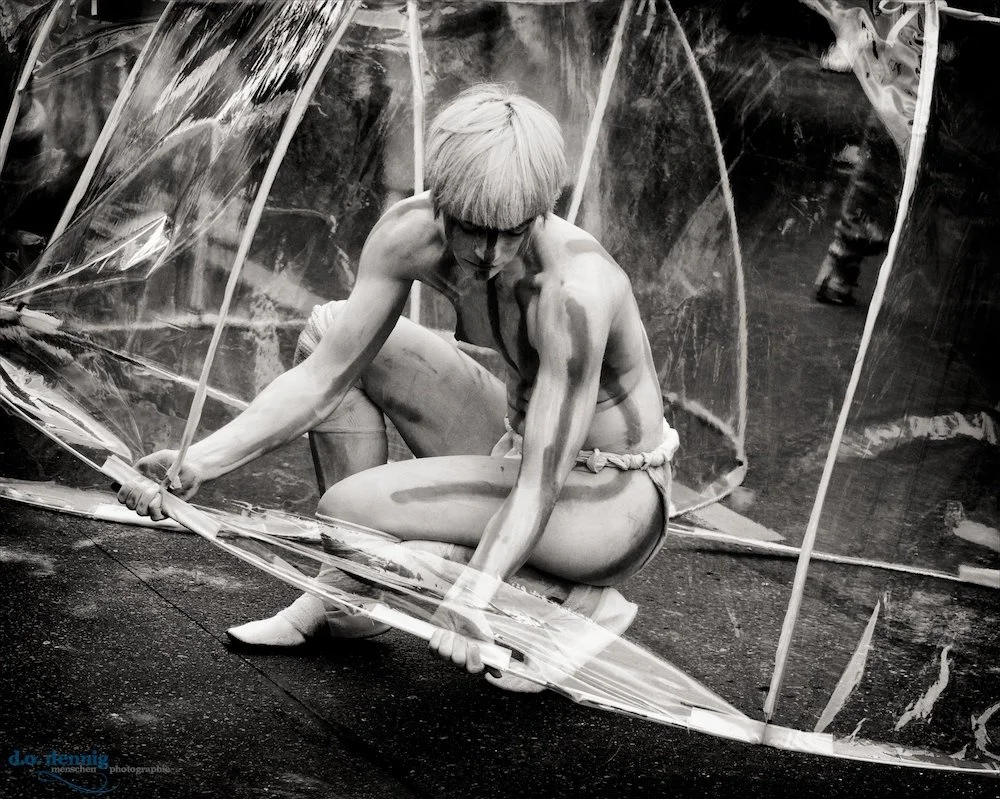
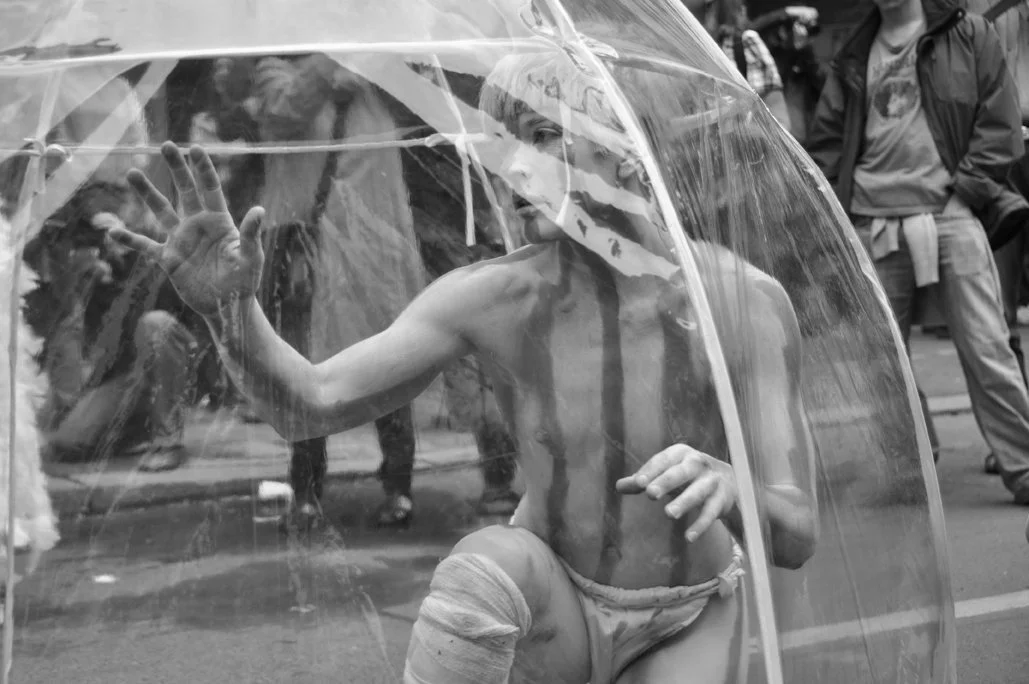
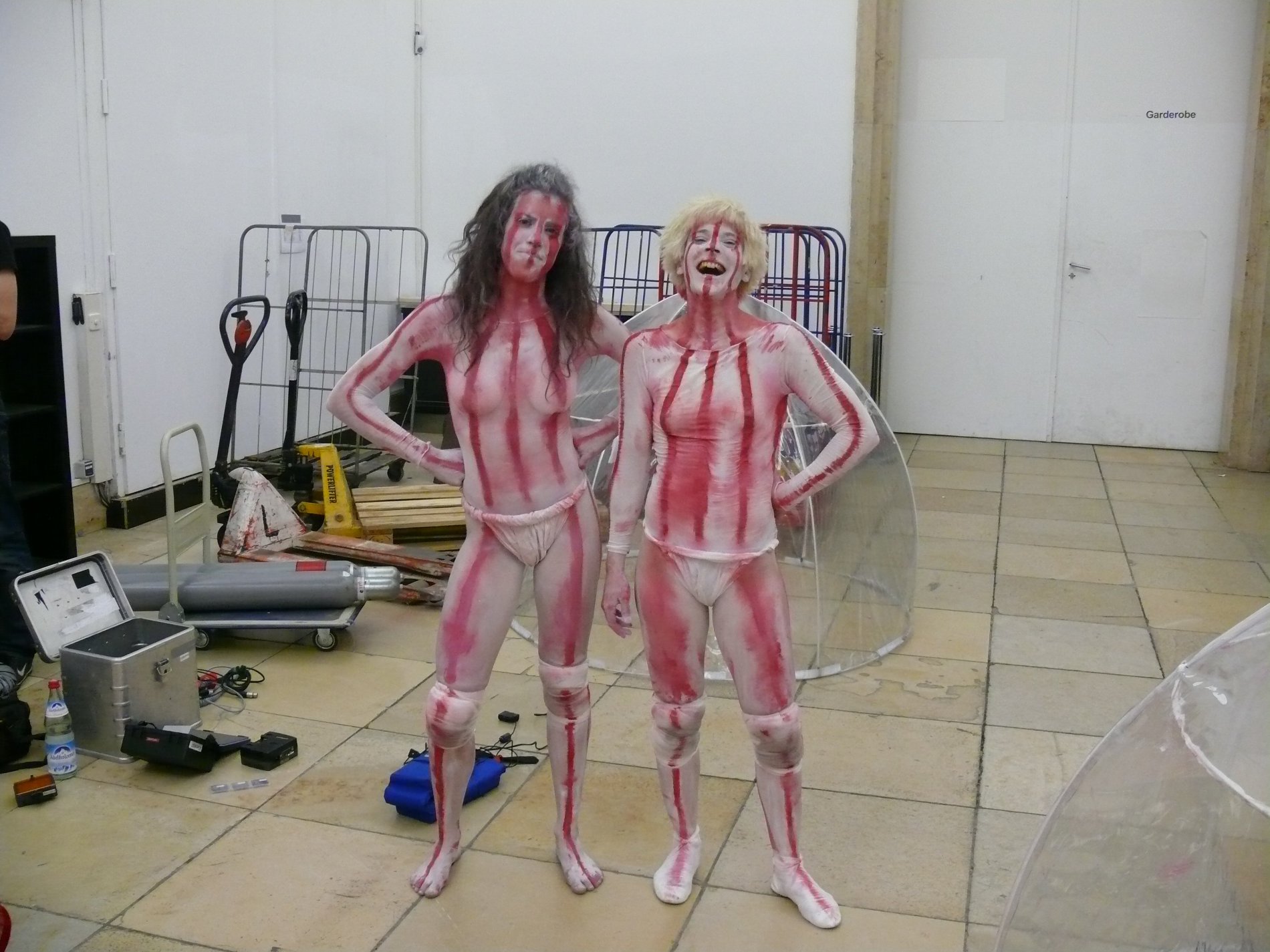
The work does not seek to reconstruct their ceremonies or literally represent their bodies. Instead, it begins with one of the most significant elements of their cultural identity: the body paintings used during the Hain ceremony, in which the body became a symbolic space capable of connecting the visible world with the spiritual realm.
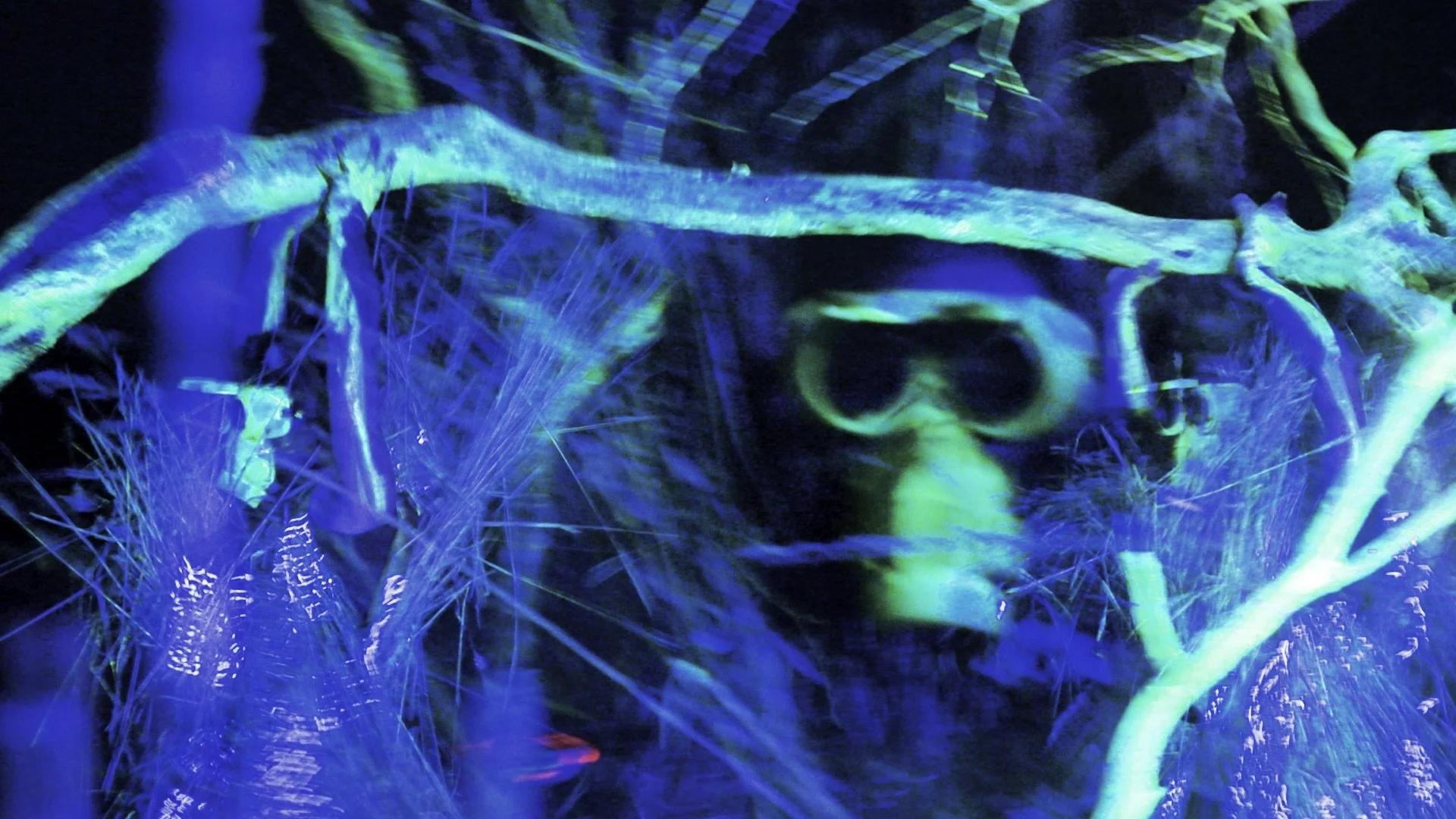
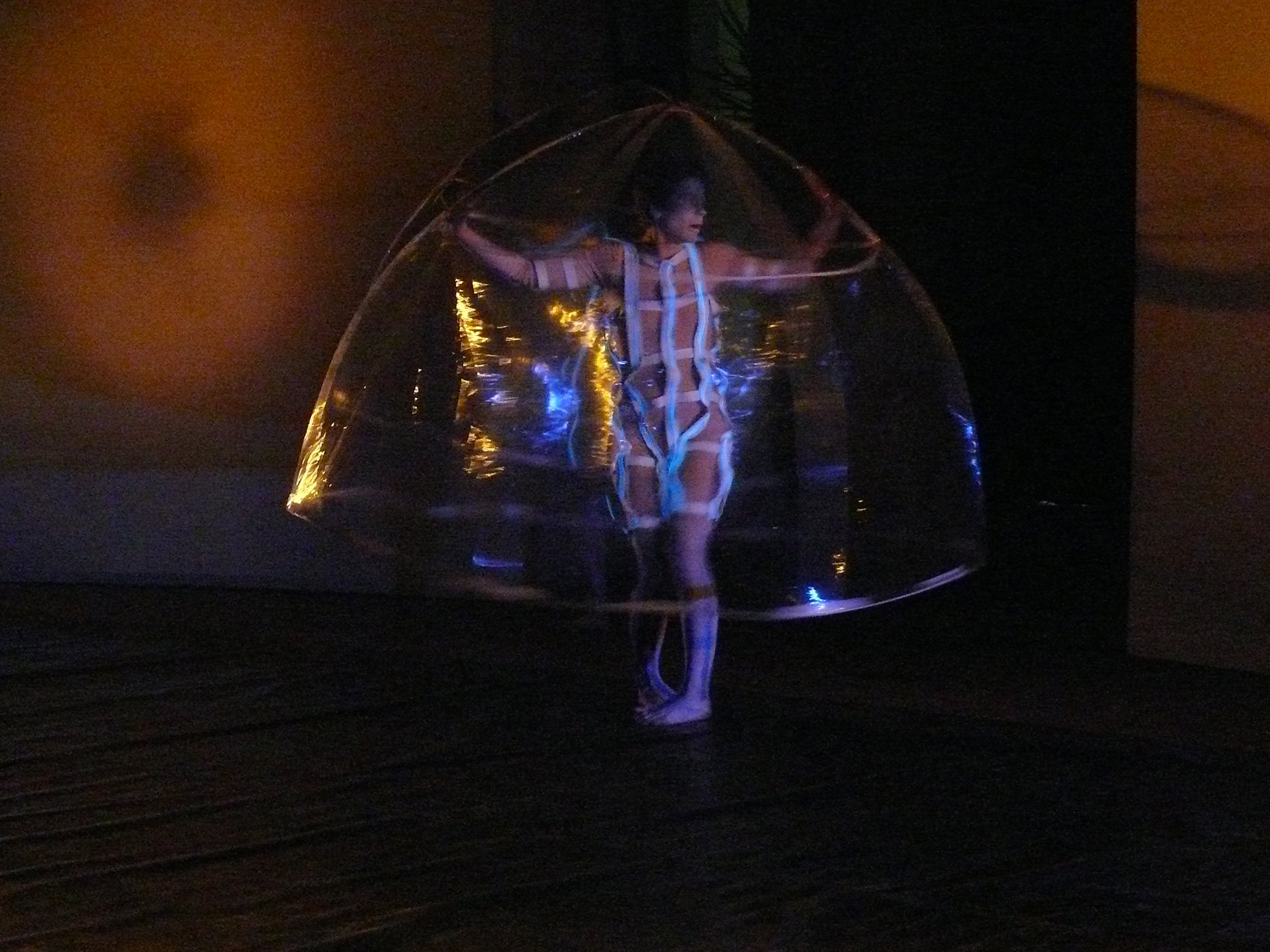
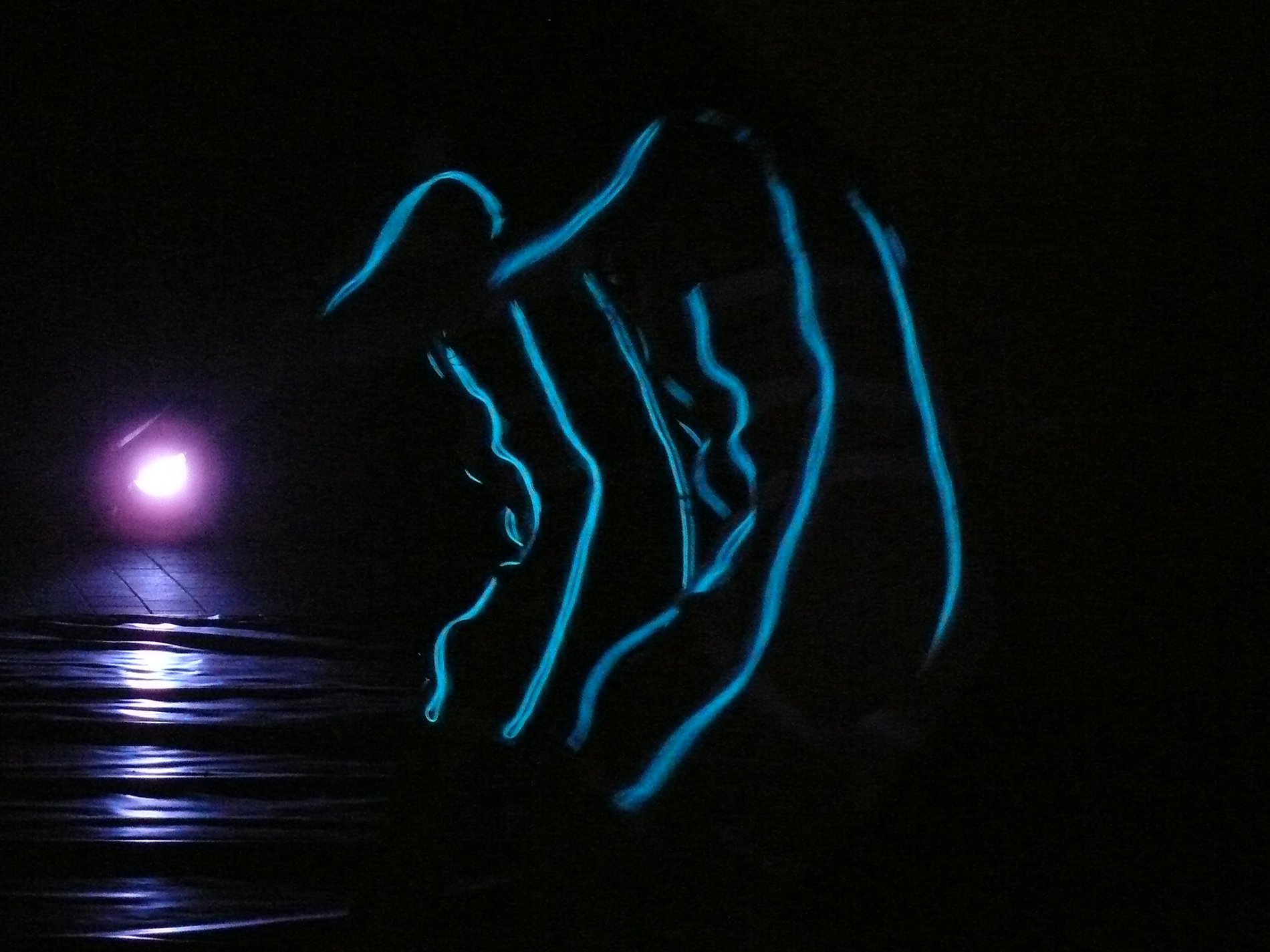
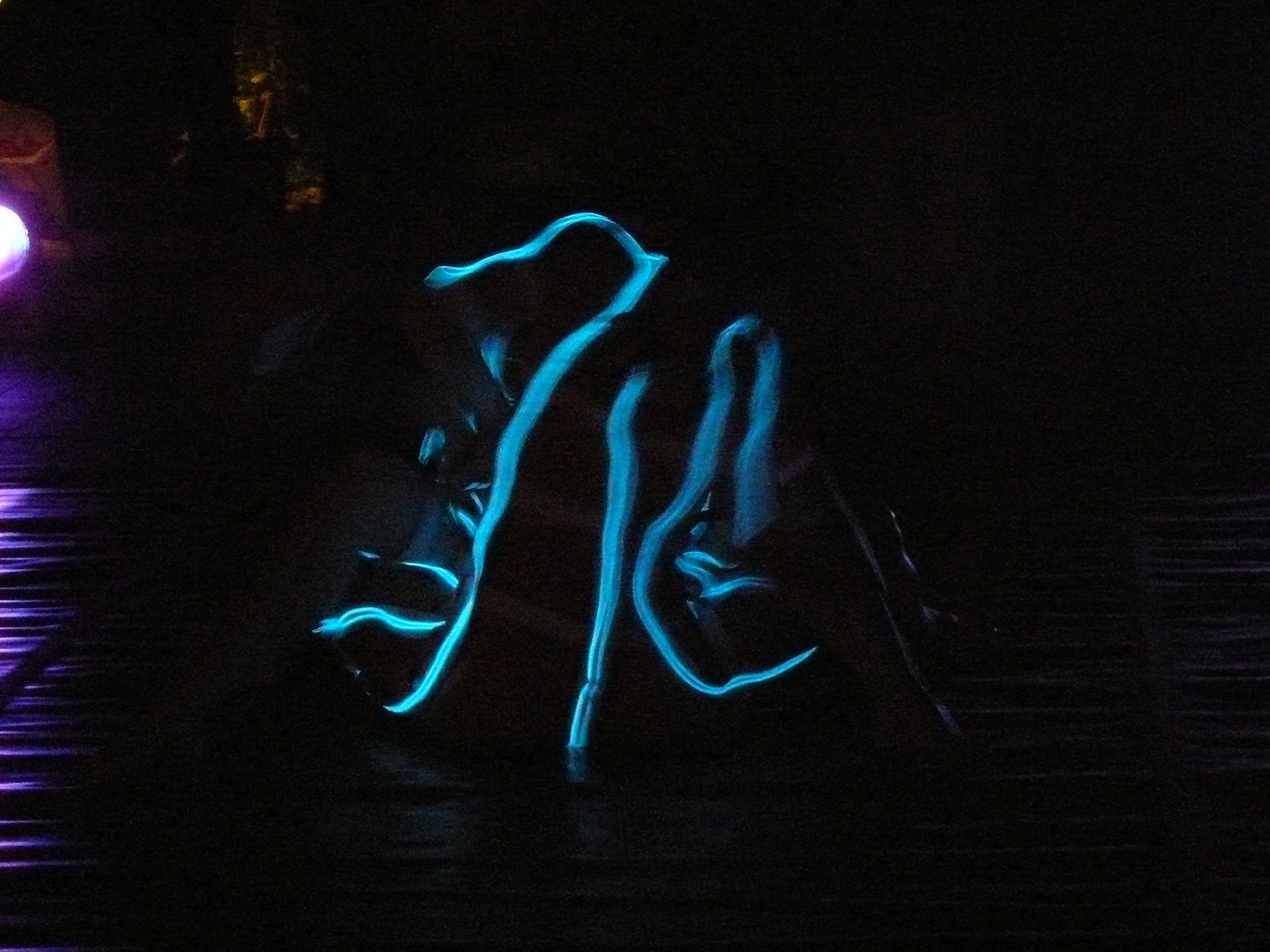
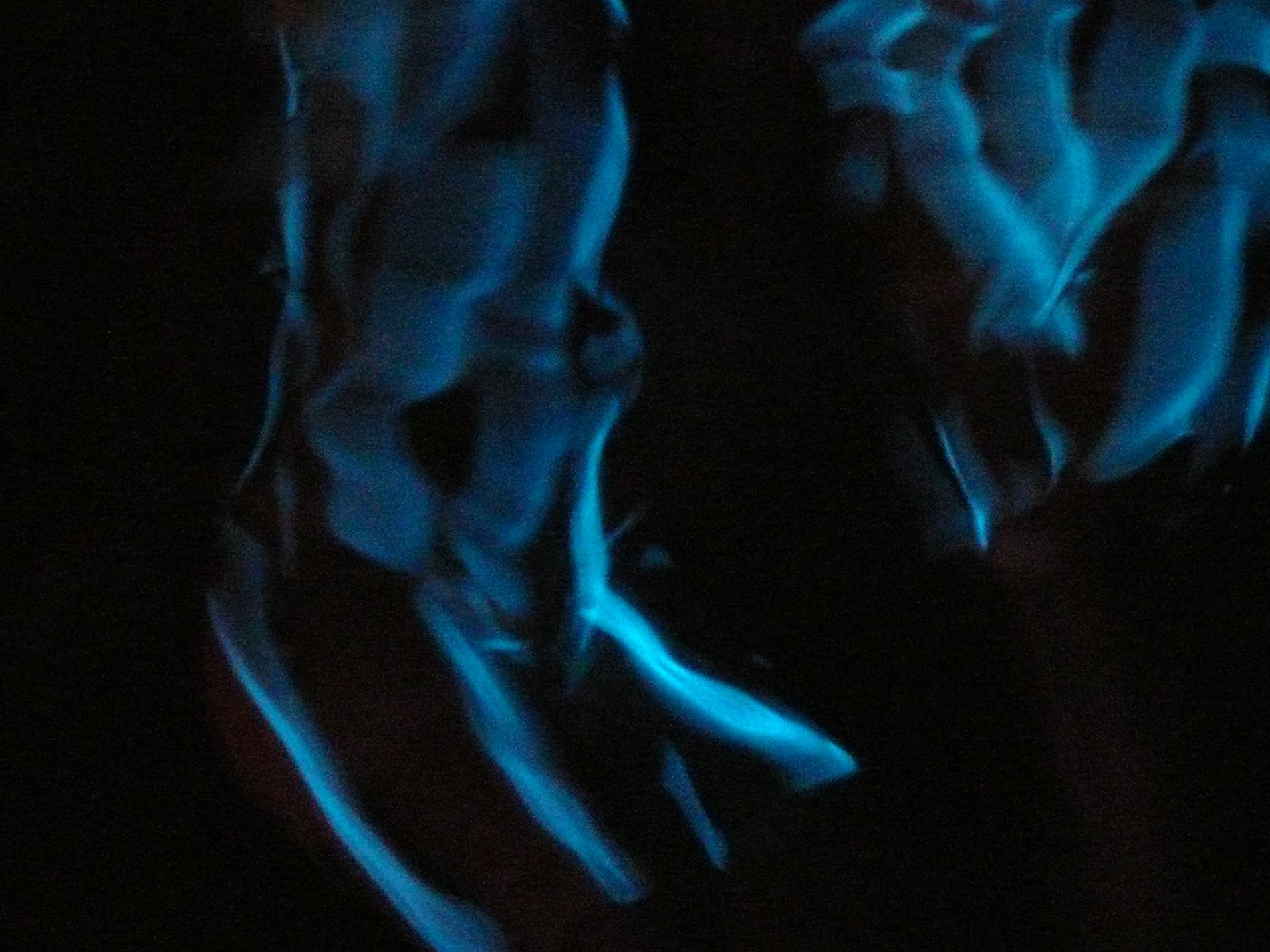
These body paintings are reinterpreted through contemporary technology. Their lines are no longer created with natural pigments, but become paths of light made from electroluminescent materials. UV body paint and illuminated sculptural costumes transform the body into a presence suspended between memory and disappearance.
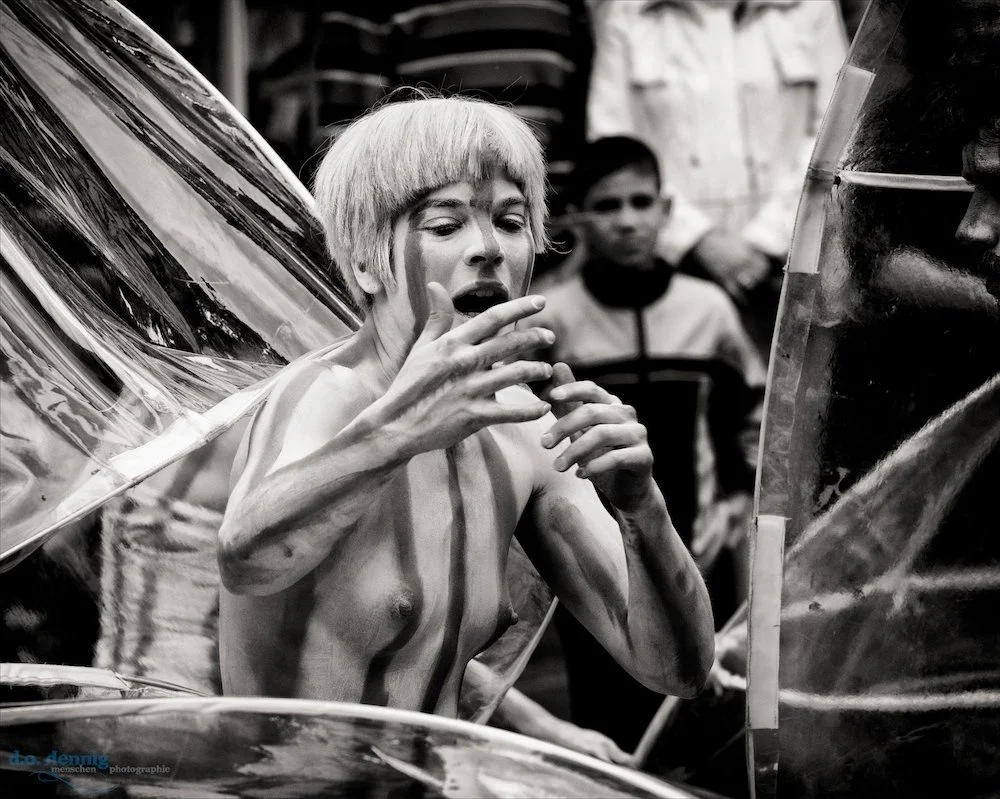
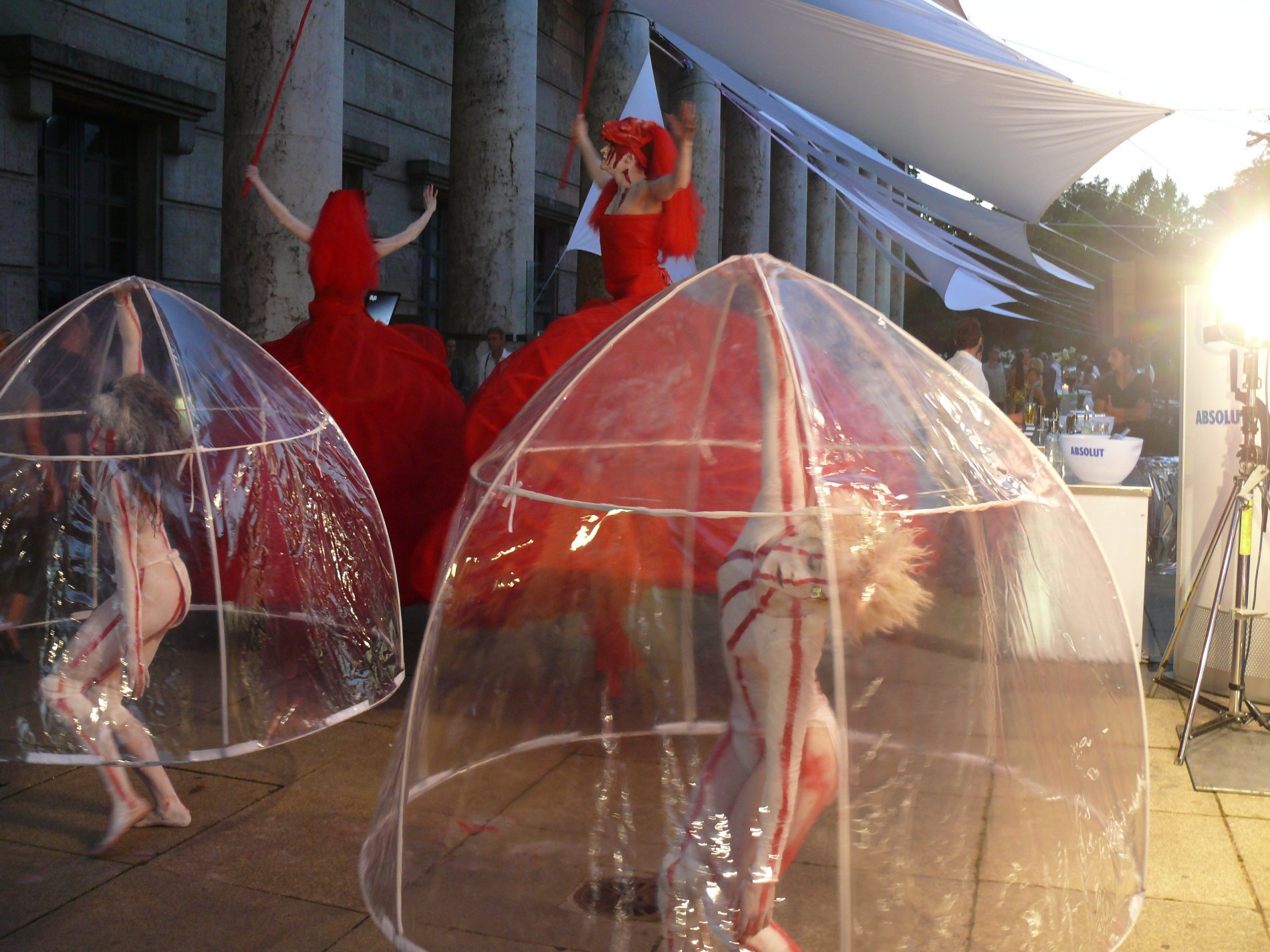
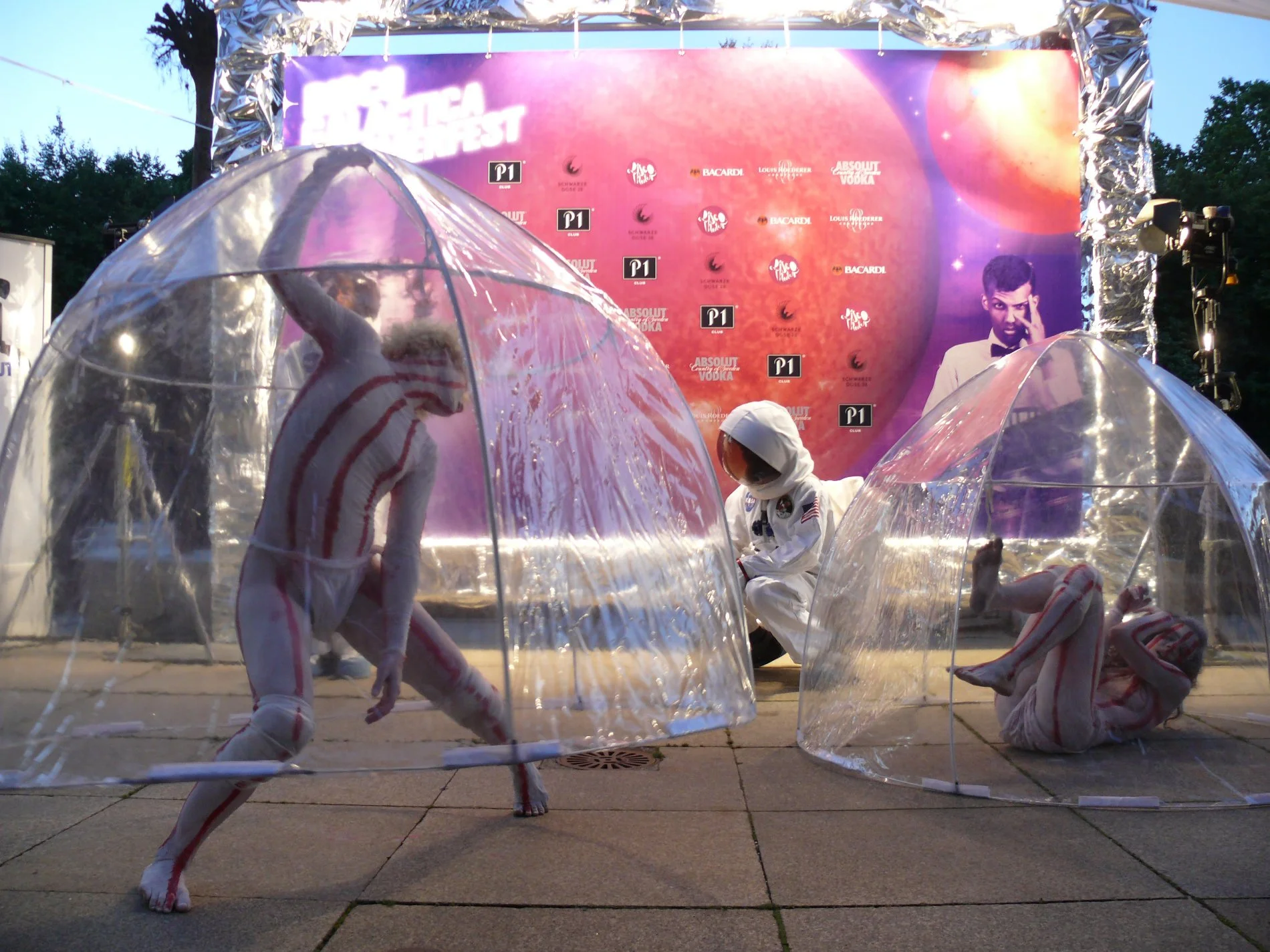
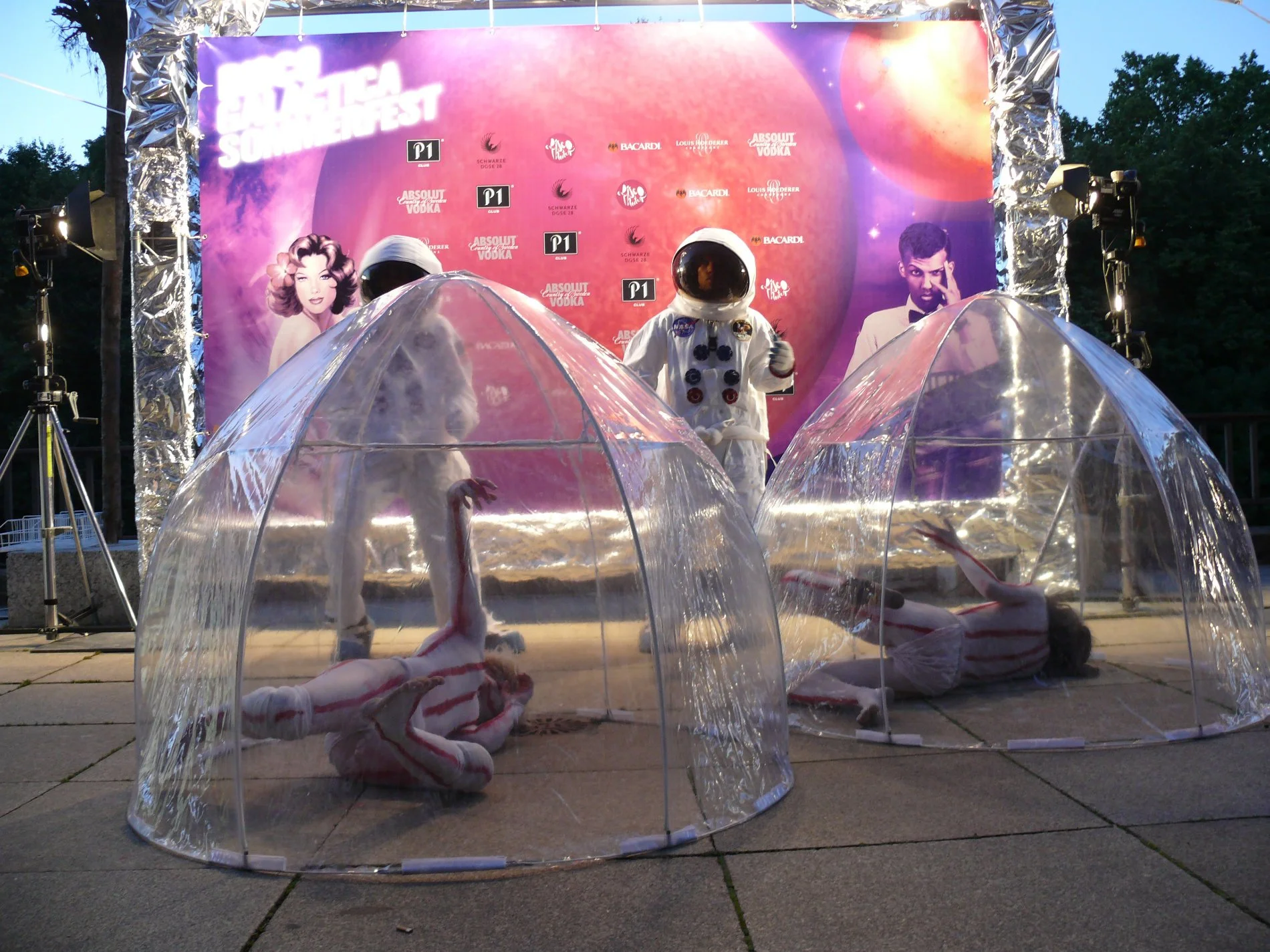
The performers inhabit transparent structures that function simultaneously as shelters and spaces of display. Light passes through their bodies until they become floating drawings, as though what had remained alive from a culture were not only its stories, but also the energy that continues to inhabit its memory.
| Format | Light performance / performative installation |
|---|---|
| Media | Sculptural leather costumes with electroluminescent technology, UV body paint, transparent structures, light, performance, and movement |
| Dimensions | Variable according to the space |
| Duration | Variable | Location | Adaptable to museums, galleries, festivals, and public space |
| Availability | Available for exhibitions, festivals, and commissioned projects |
| Credits |
Concept & Artistic Direction:
Marjorie Chau
Production and technical team:
Pablo Alarcon & Nicolas Spenser
|
-
The Body as Living Memory
At the end of the 19th century, many Selk'nam men and women were persecuted, displaced, and killed during the occupation of Tierra del Fuego. Some were taken to Europe to be exhibited as ethnographic curiosities, reducing lives and identities to objects of contemplation.
In Licht Selk'nam, the bodies appear suspended within transparent structures that can be understood at once as shelter and as display cases. This ambiguity is an essential part of the work.
We no longer see bodies represented realistically.
We see lines of light.
Through them, the work constructs a memory of light around what history attempted to make disappear. It does not reconstruct the past; it keeps its presence alive.
What remains alive when a culture has been violently interrupted?