Atmen
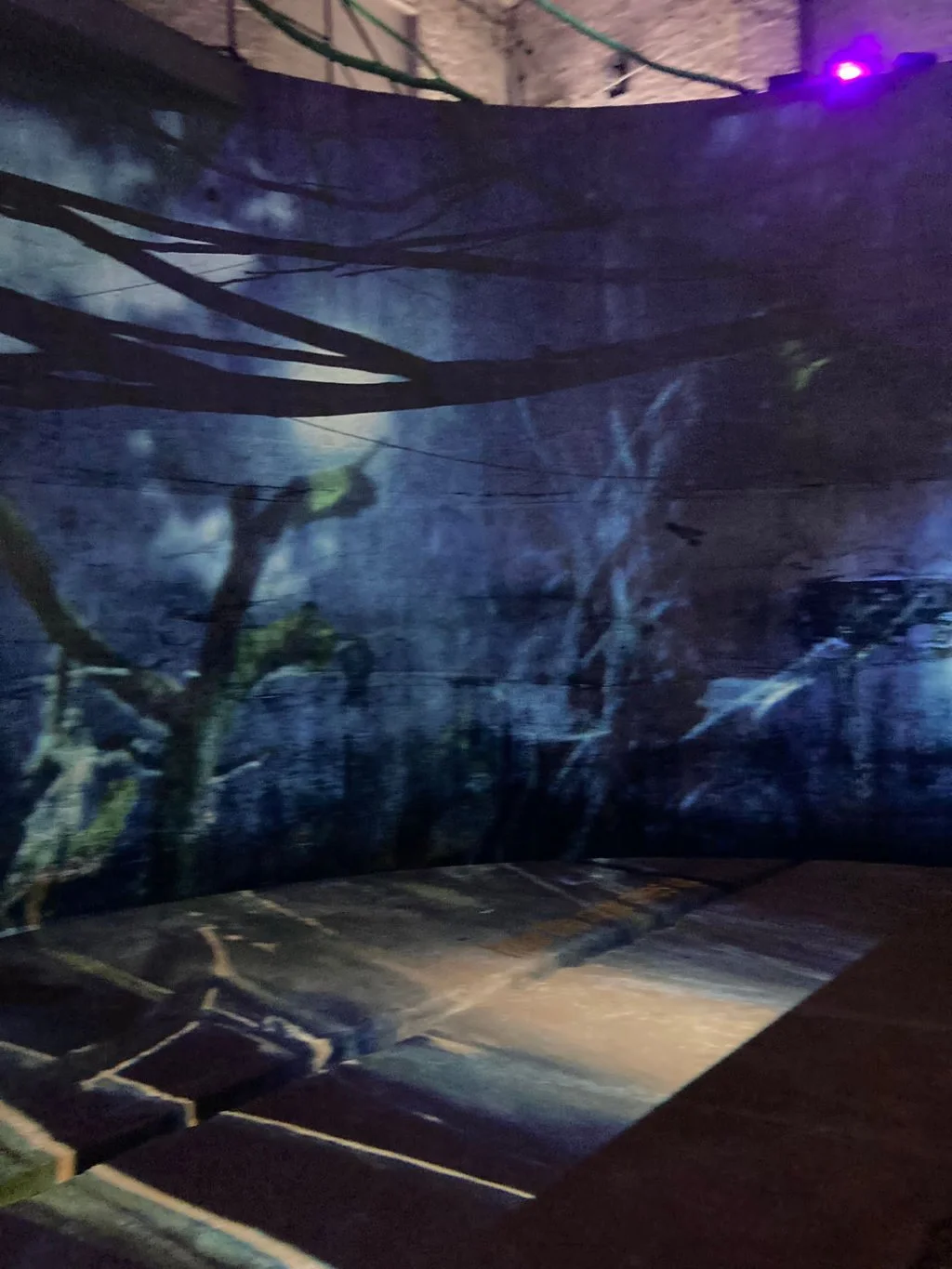
An immersive installation conceived during an artist residency in Wallmapu, southern Chile. Through video, sound, scent, forest remnants and spoken Mapudungun, ATMEN offers a ritual reflection on the Earth's breath, the desertification of native forests, and our relationship with a territory that is gradually losing its ability to breathe.


Details
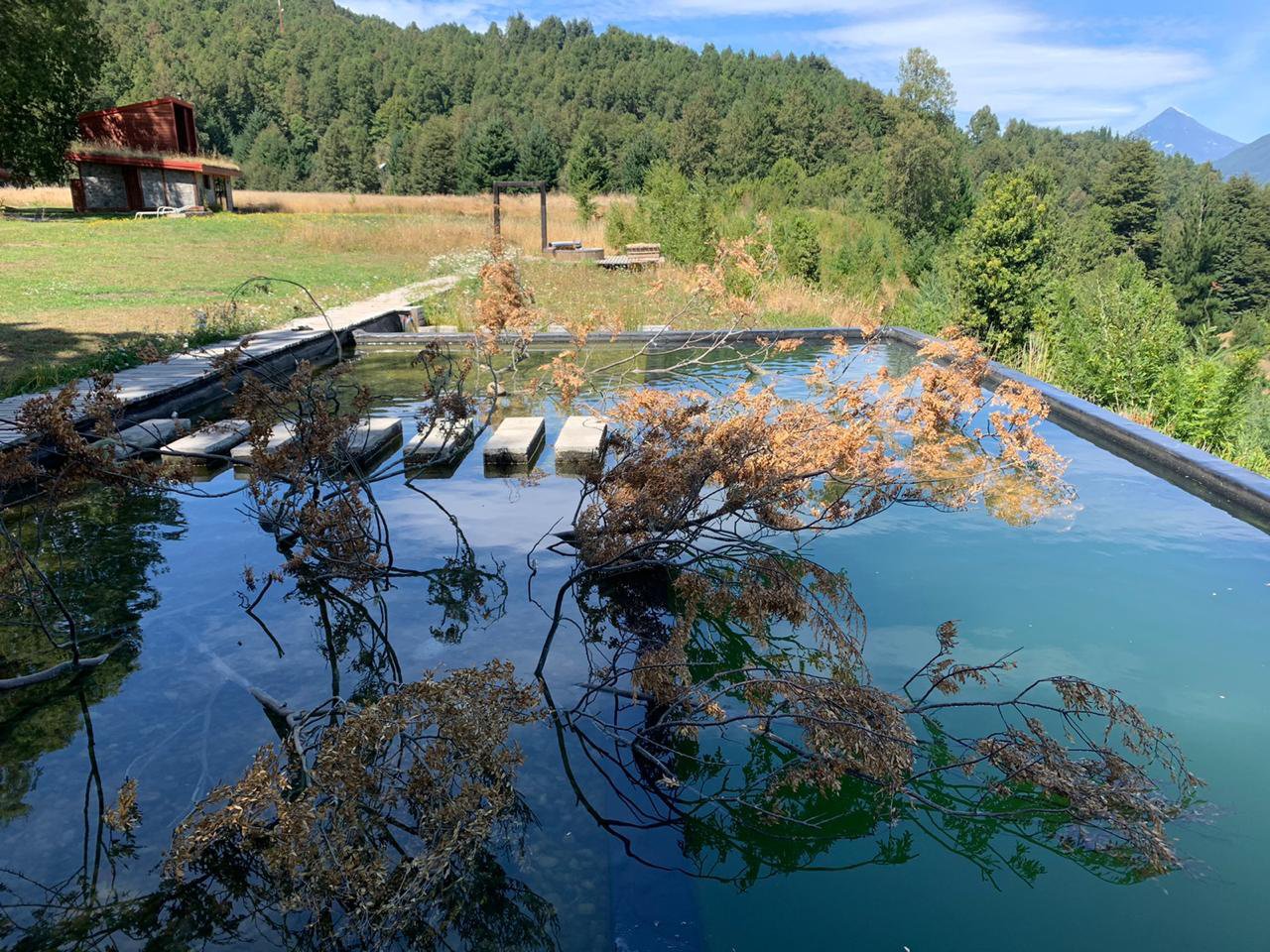
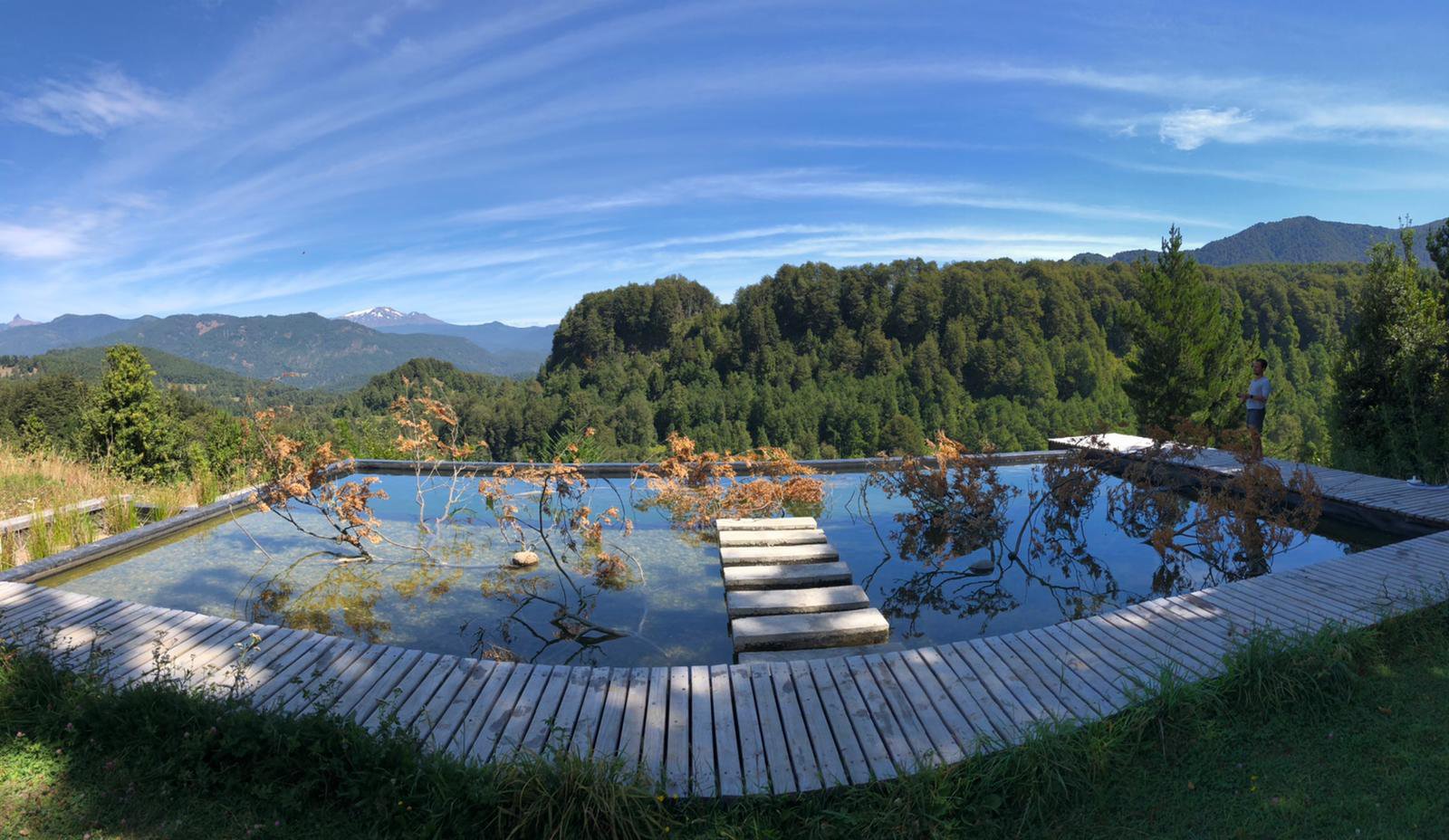
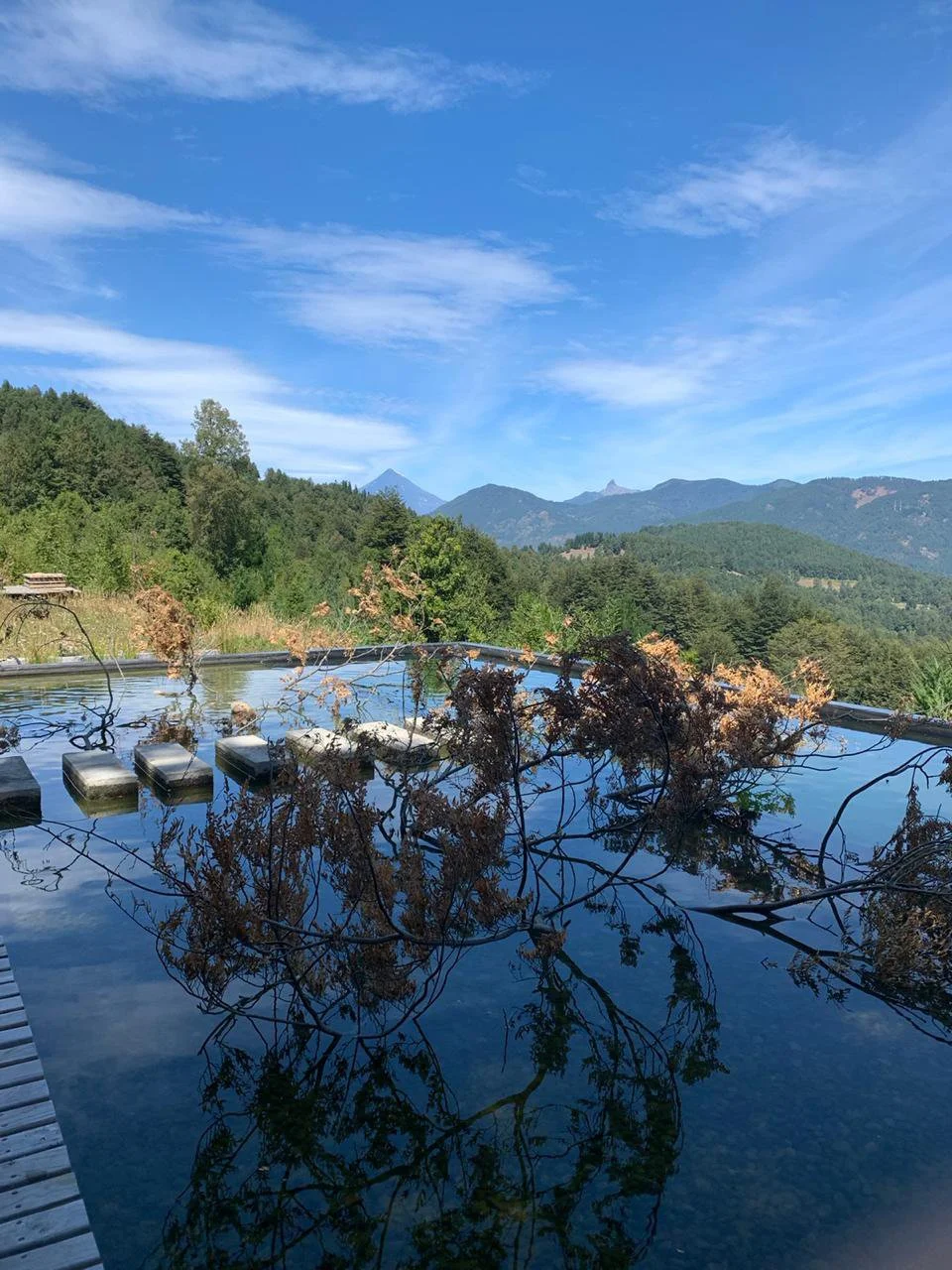
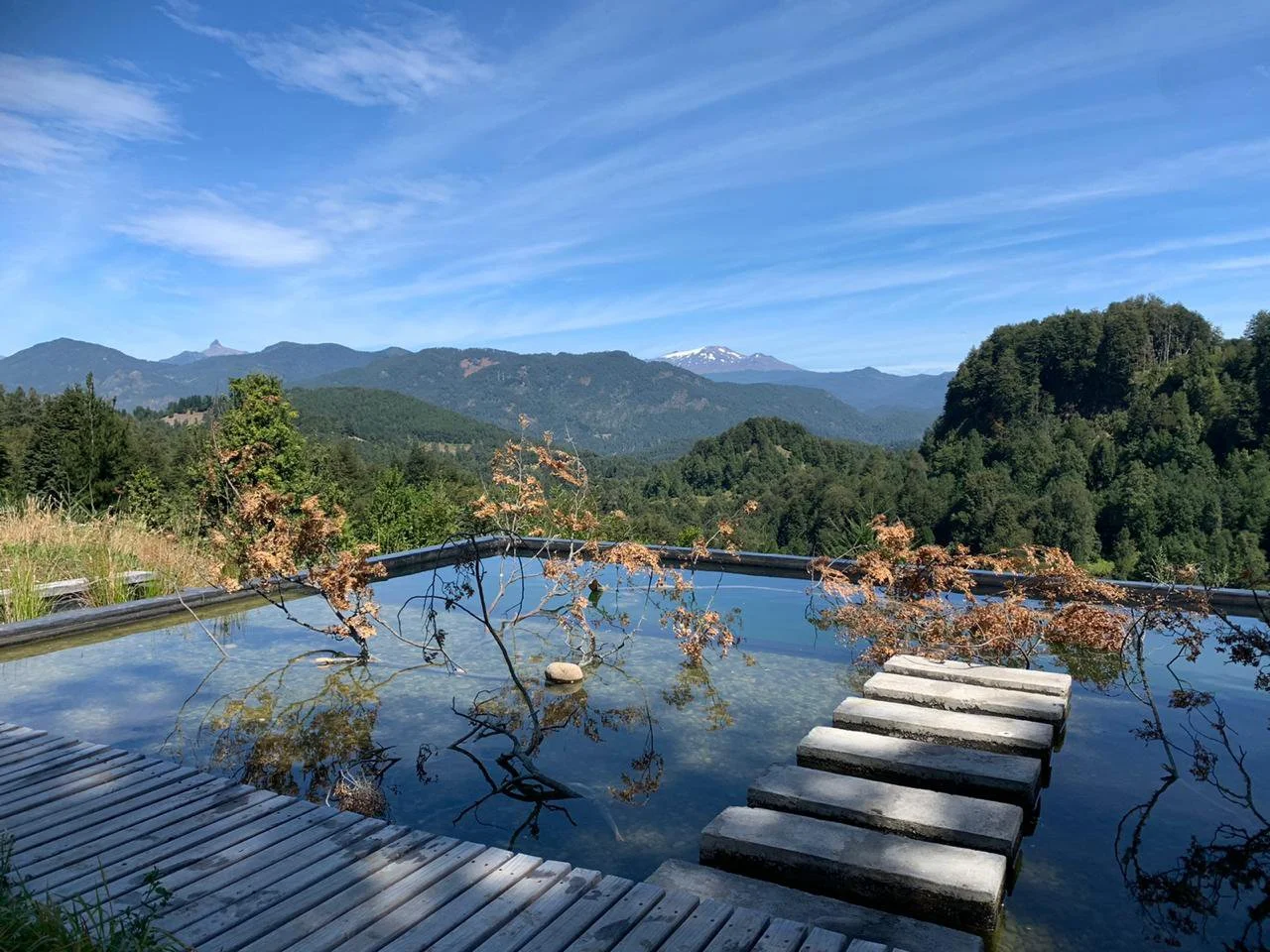
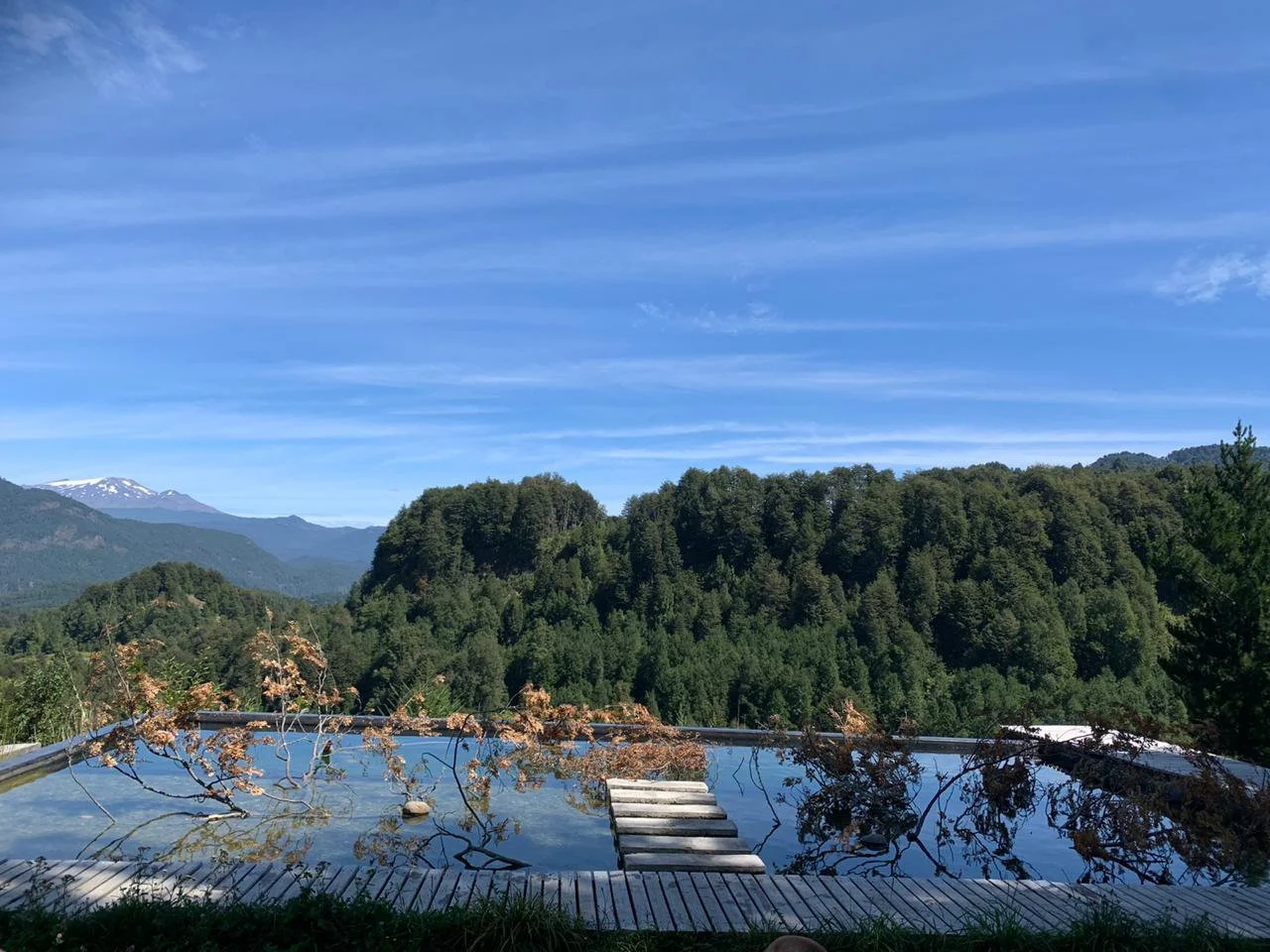
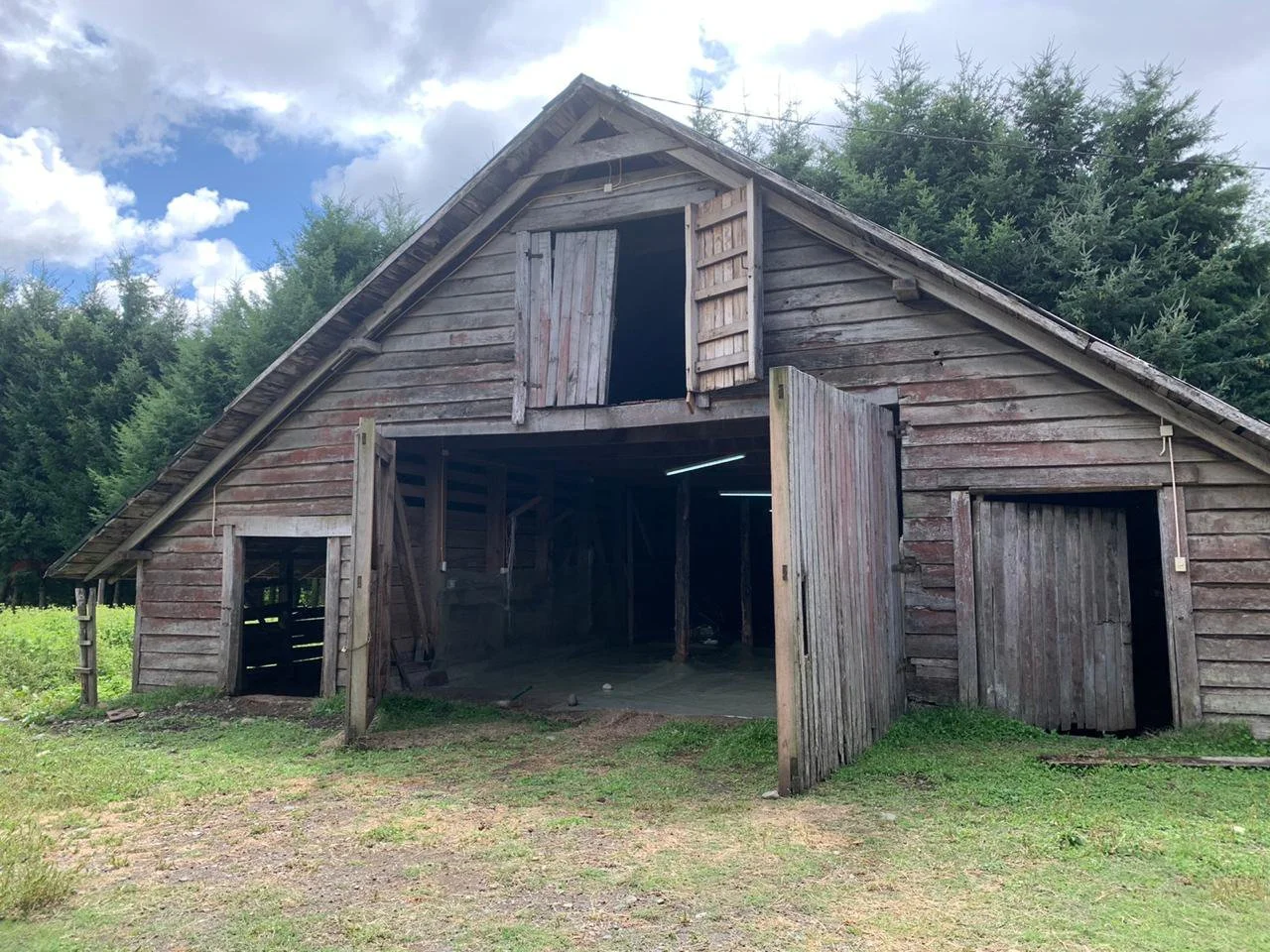
ATMEN, the German word for to breathe, was conceived during a one-month artist residency at Espacio Arte Ko-Panqui in Wallmapu, the ancestral Mapuche territory in southern Chile. The work emerged through everyday encounters with the landscape, the local community, and the visible consequences of the desertification affecting native forests.
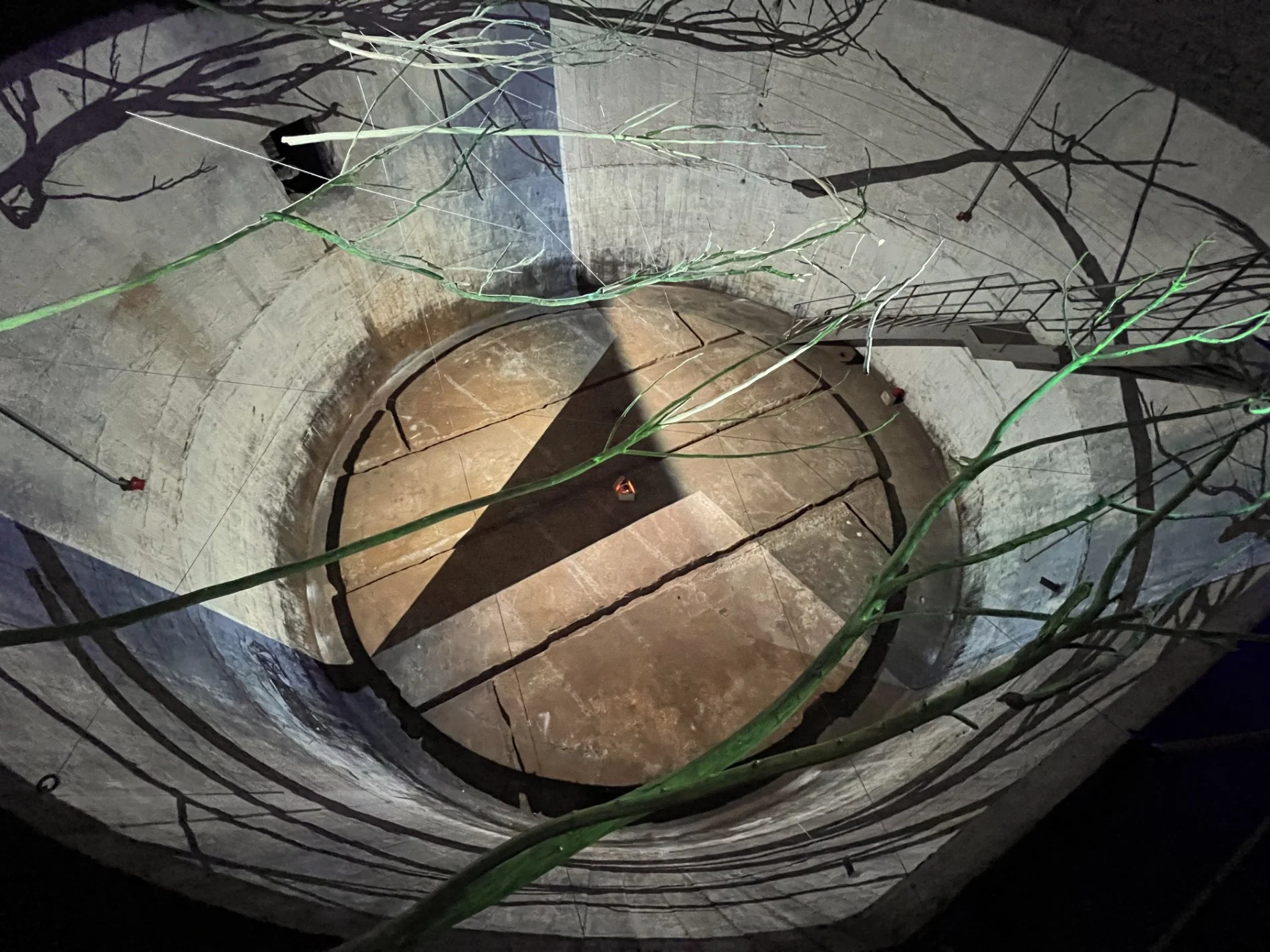
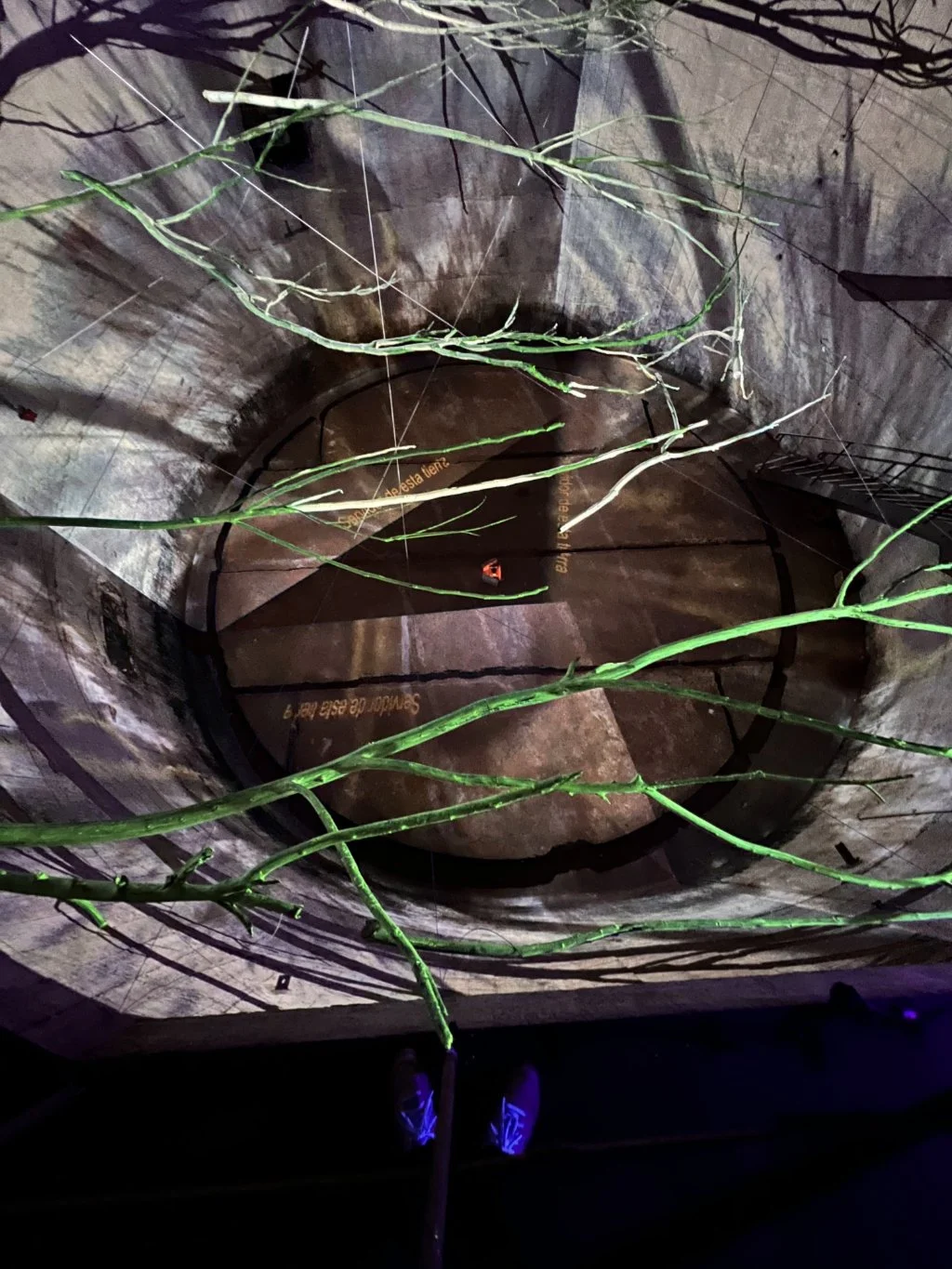
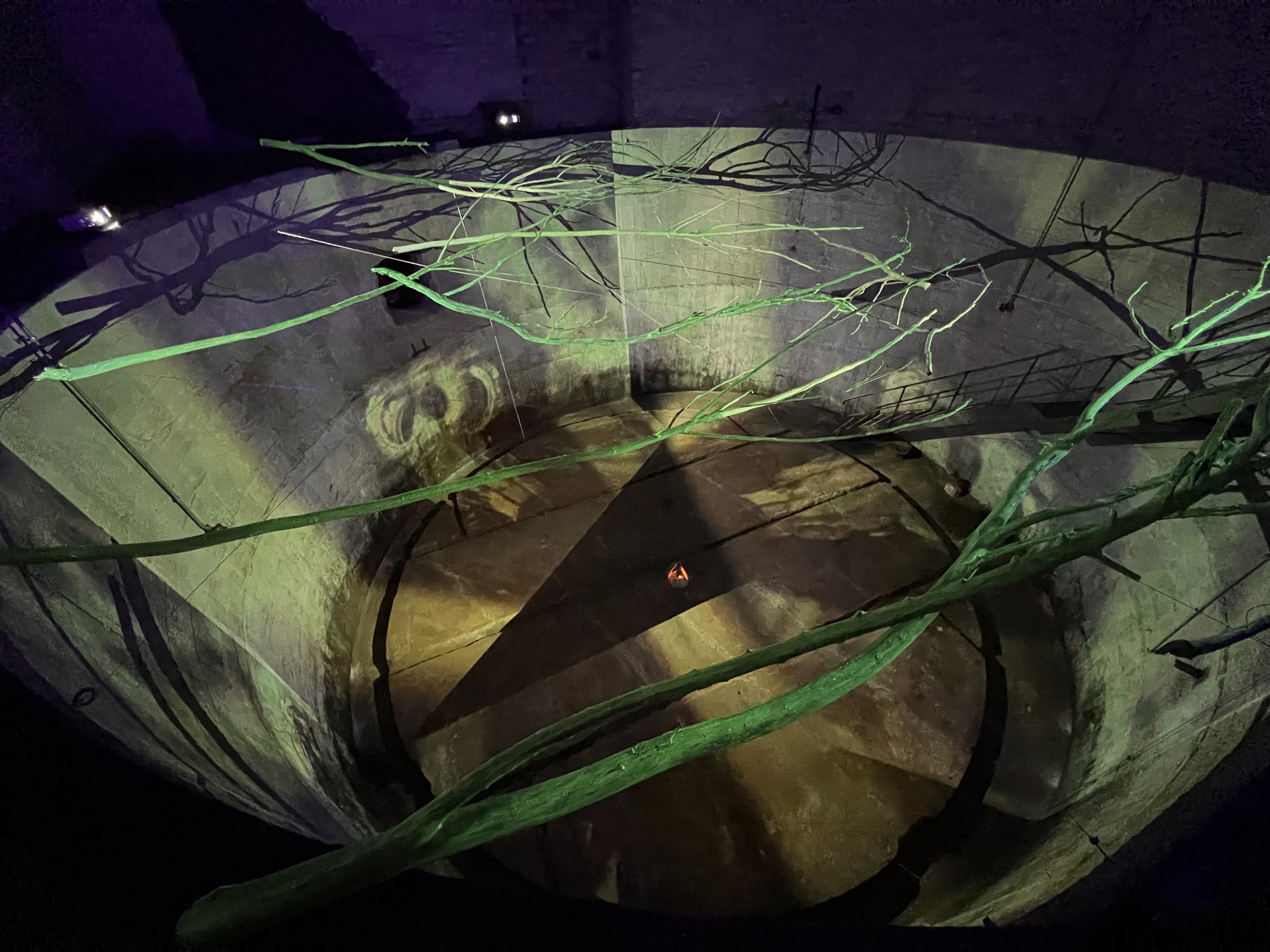
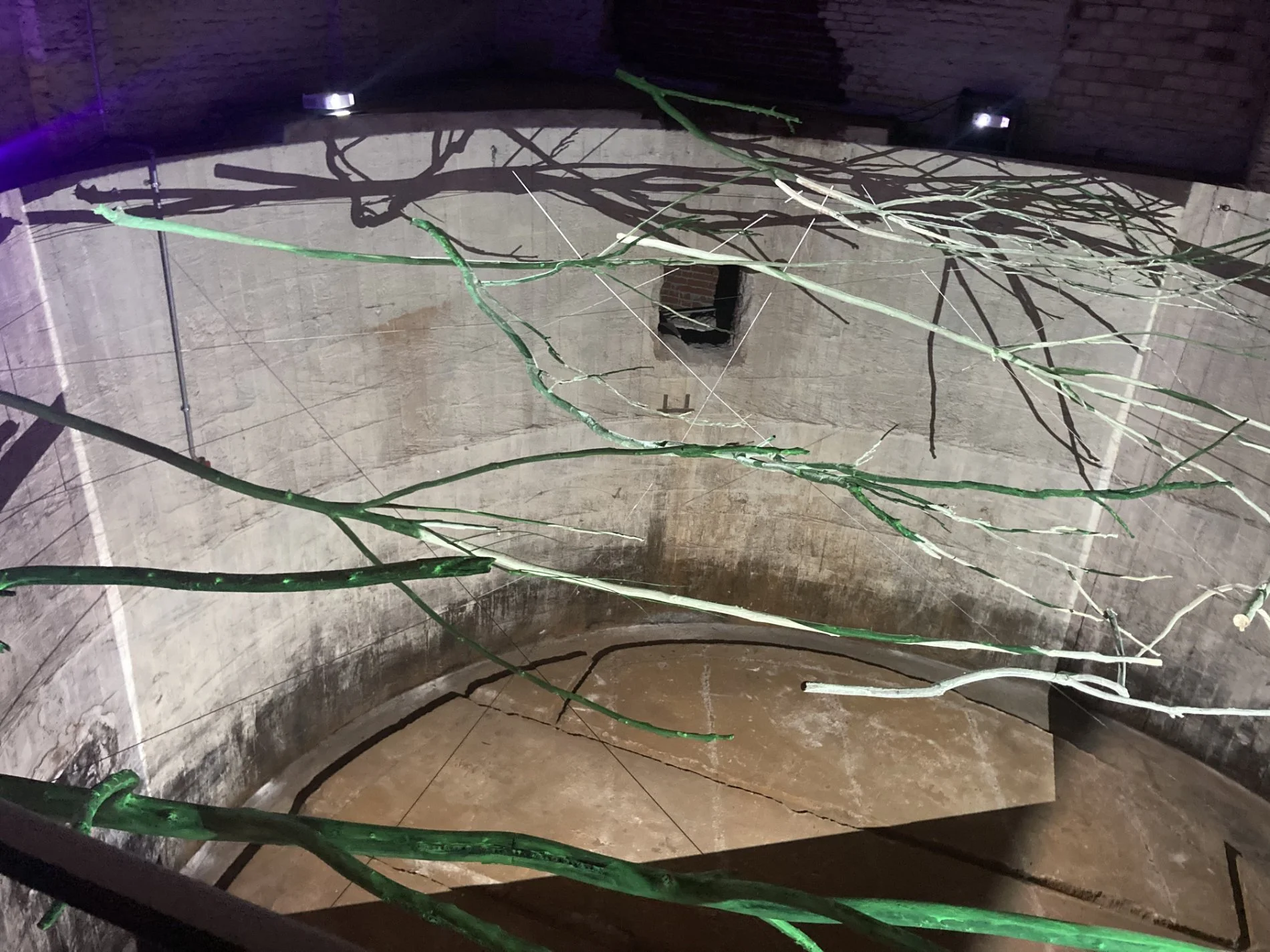
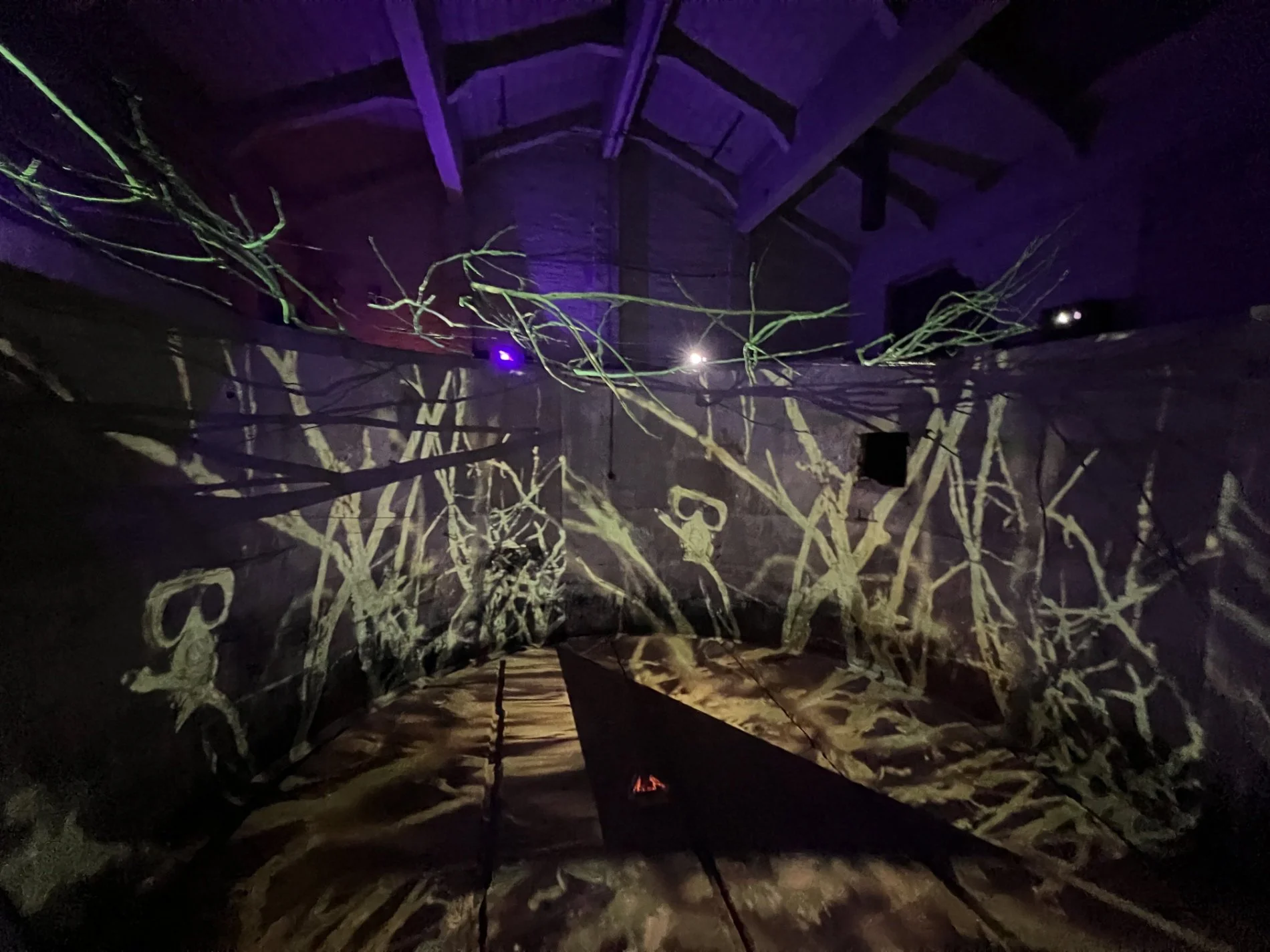
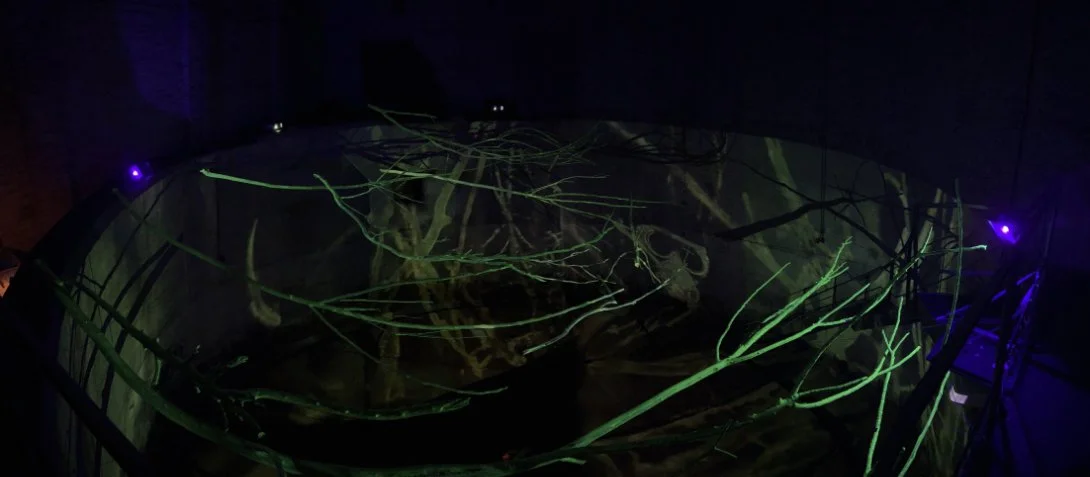
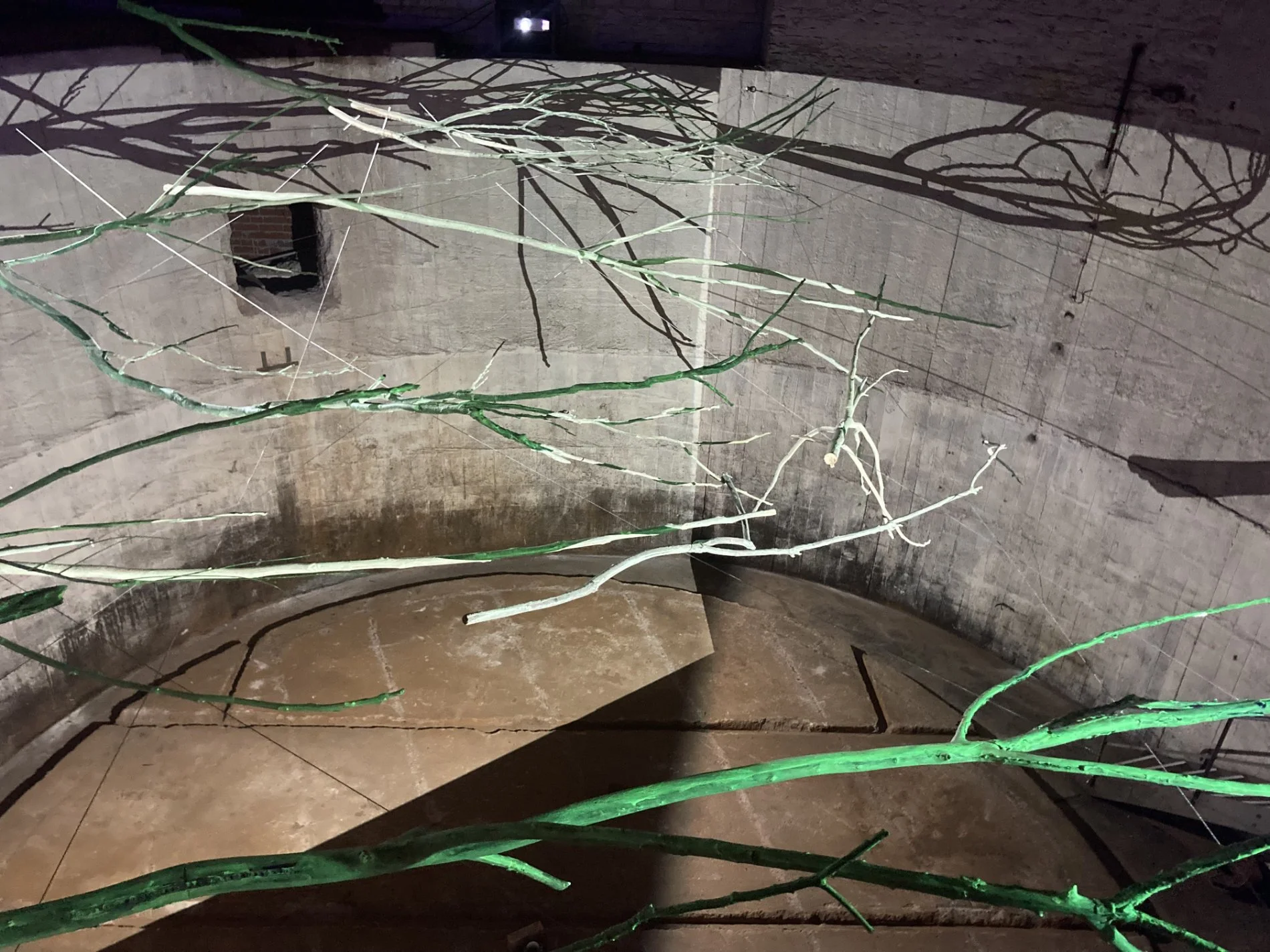
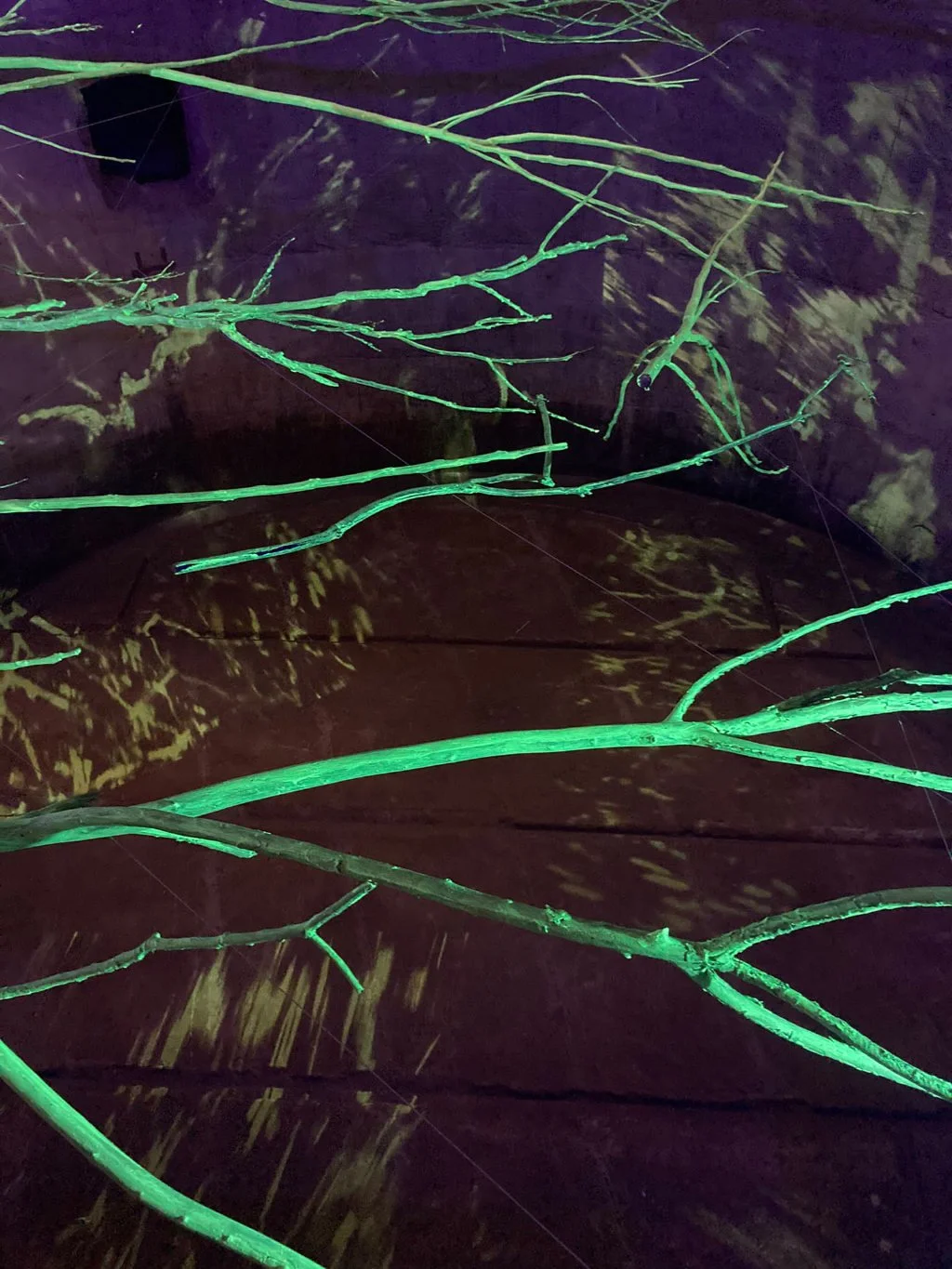
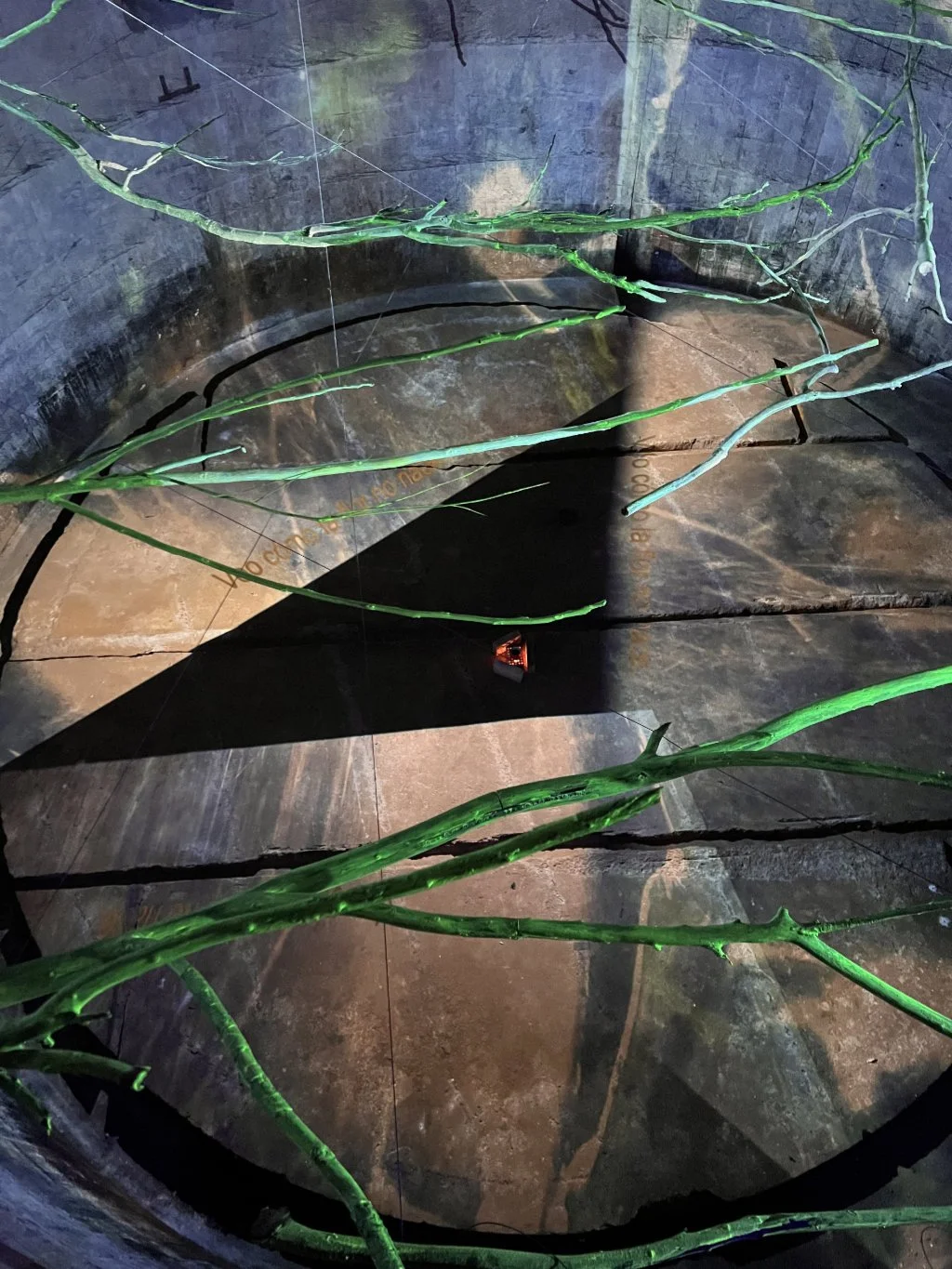
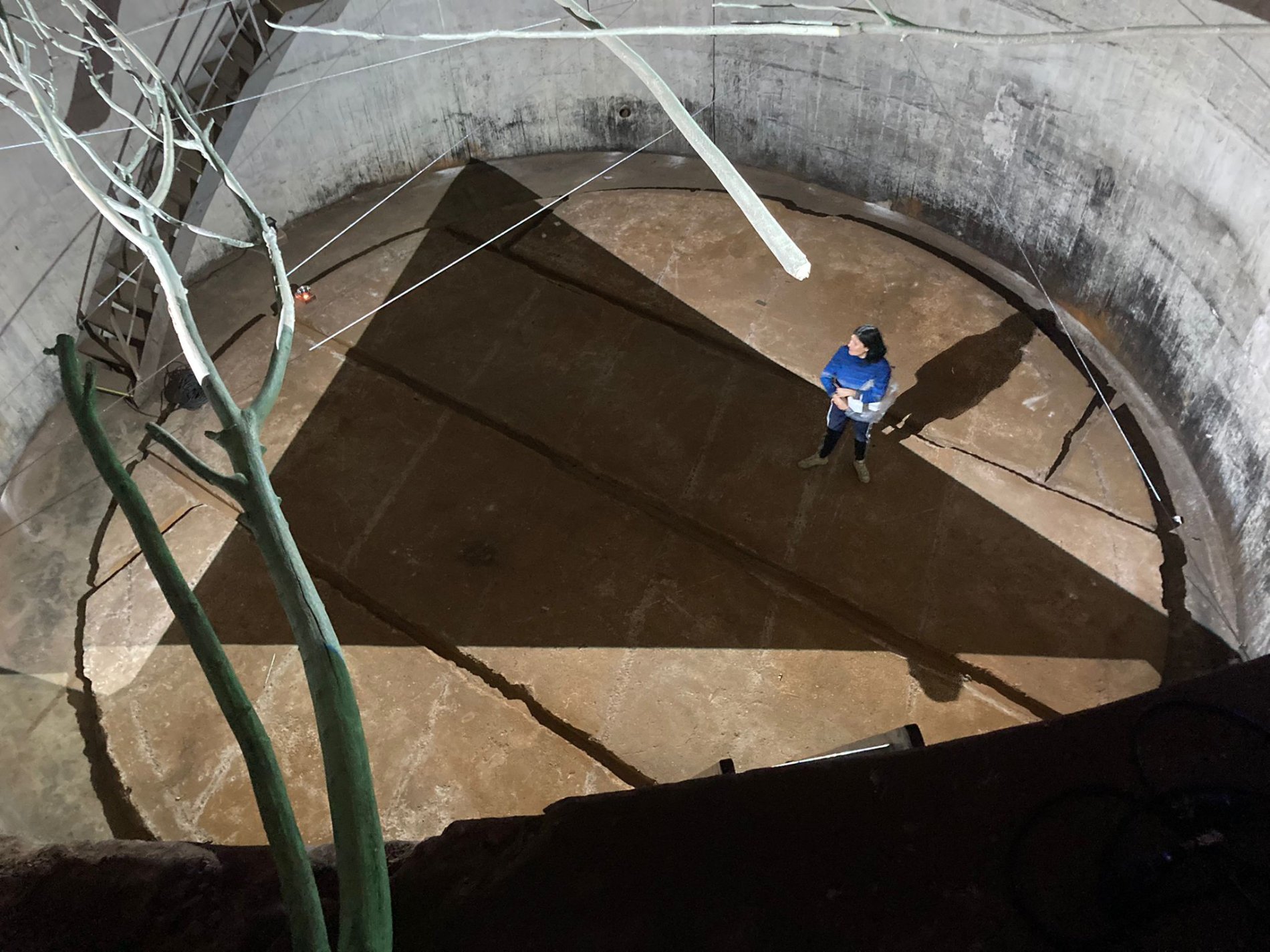
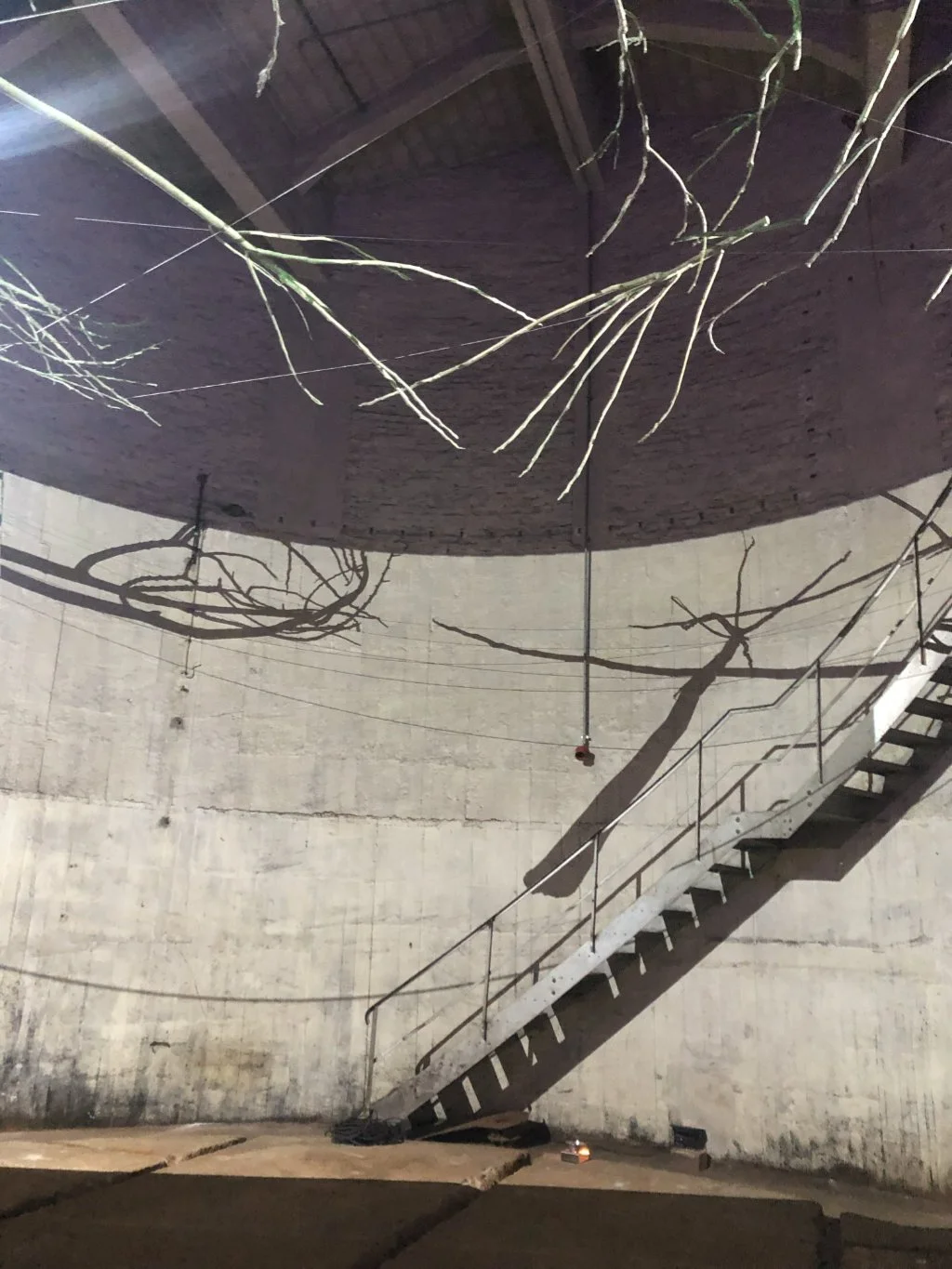
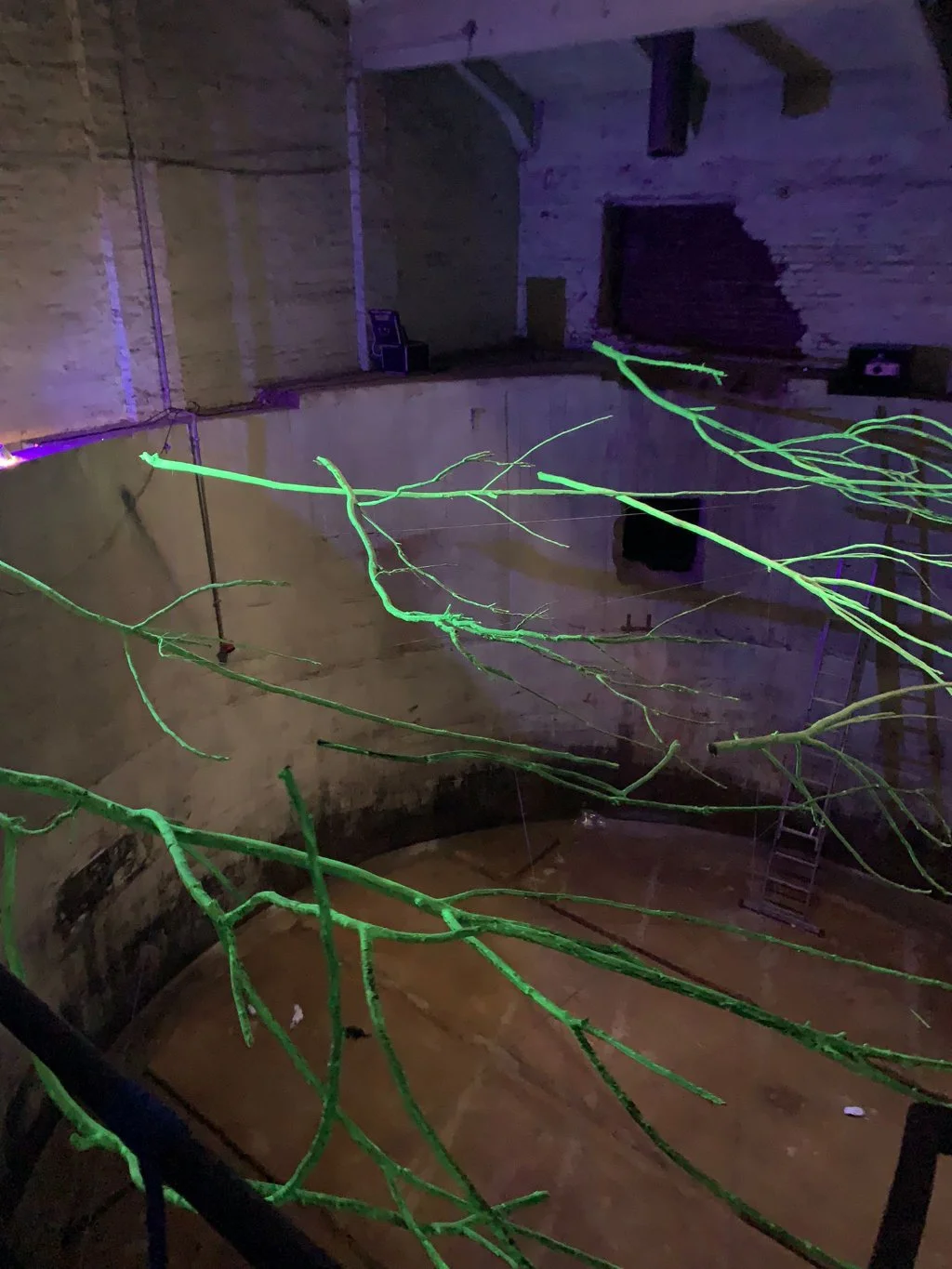
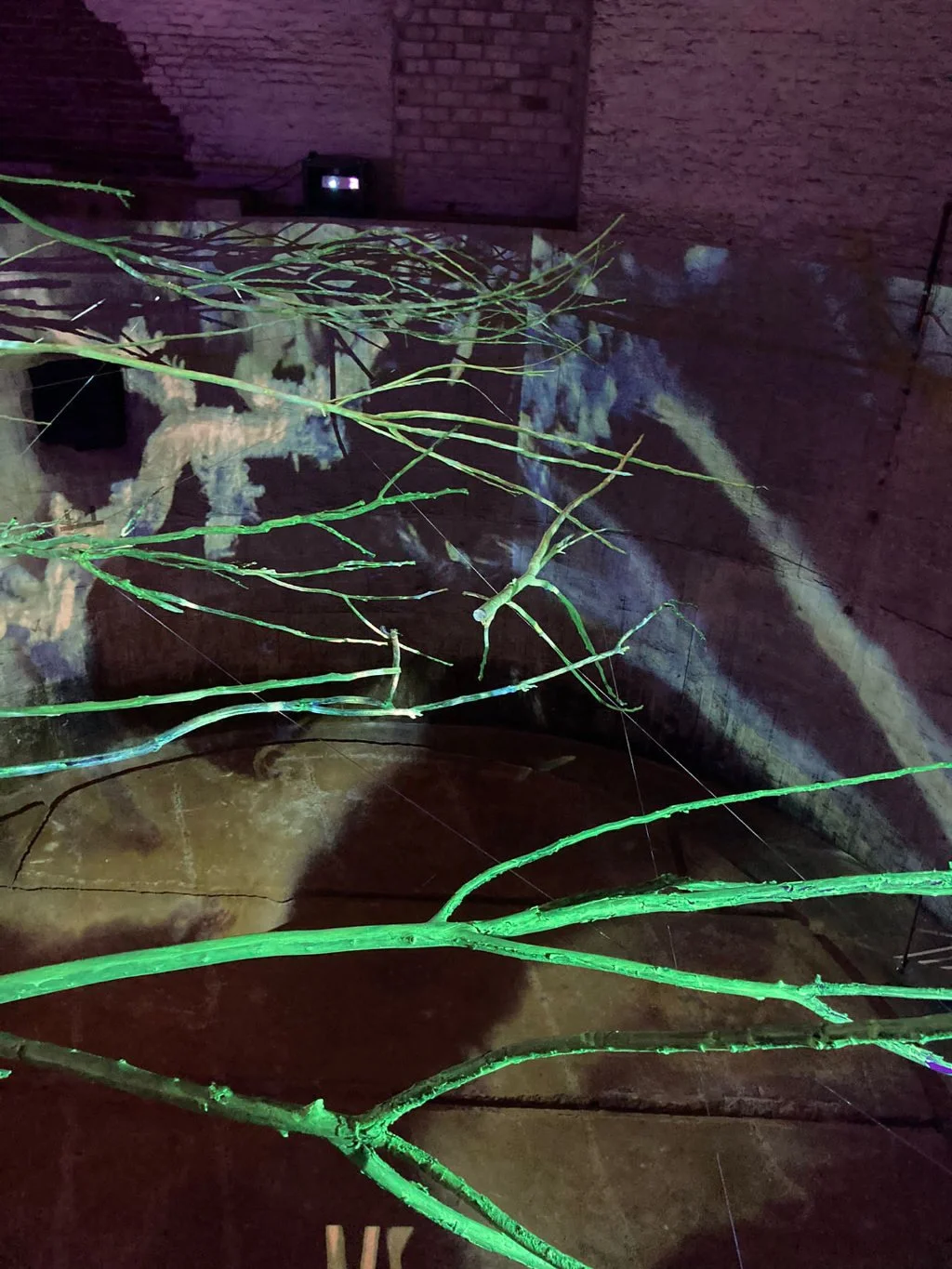
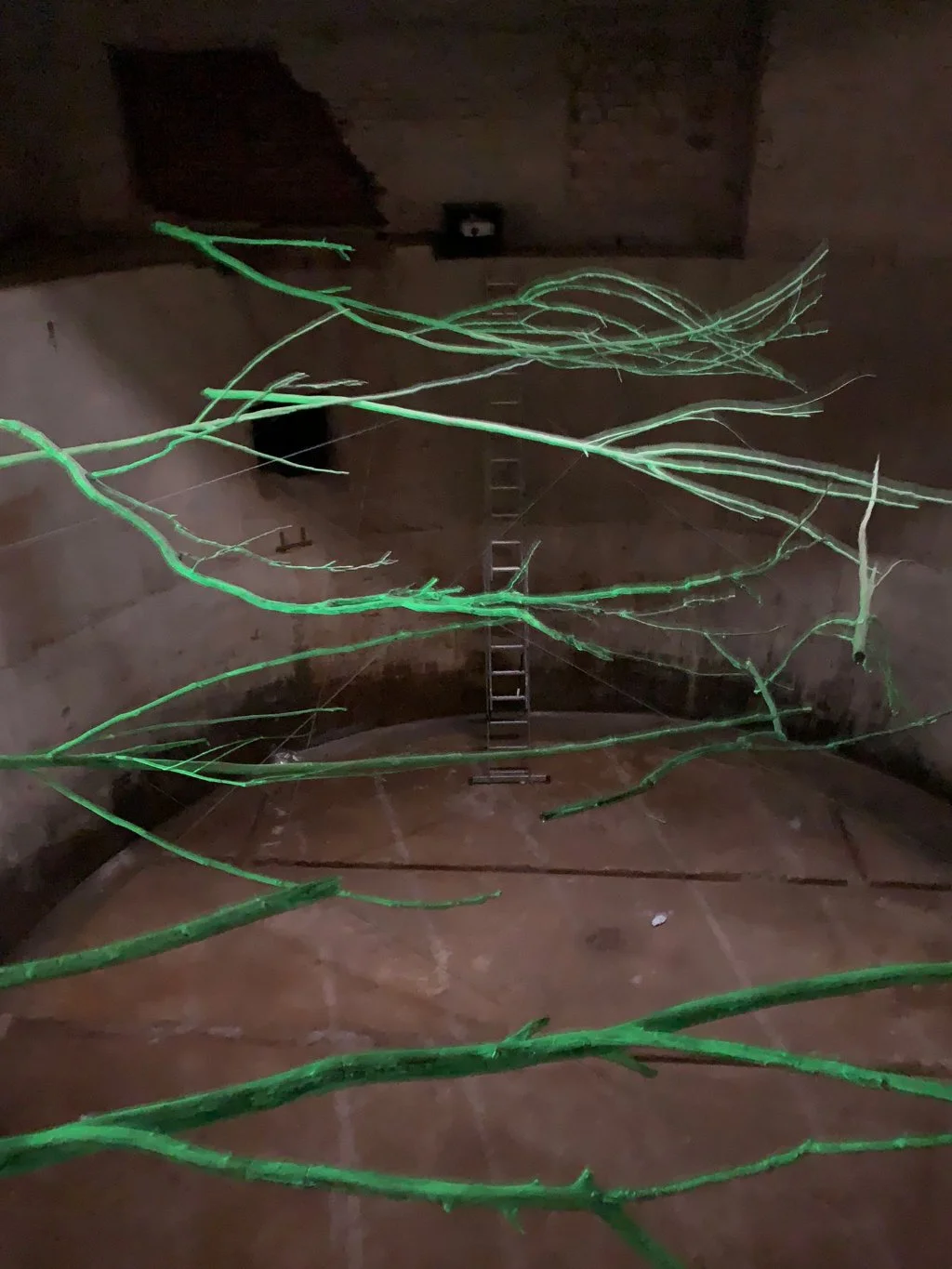
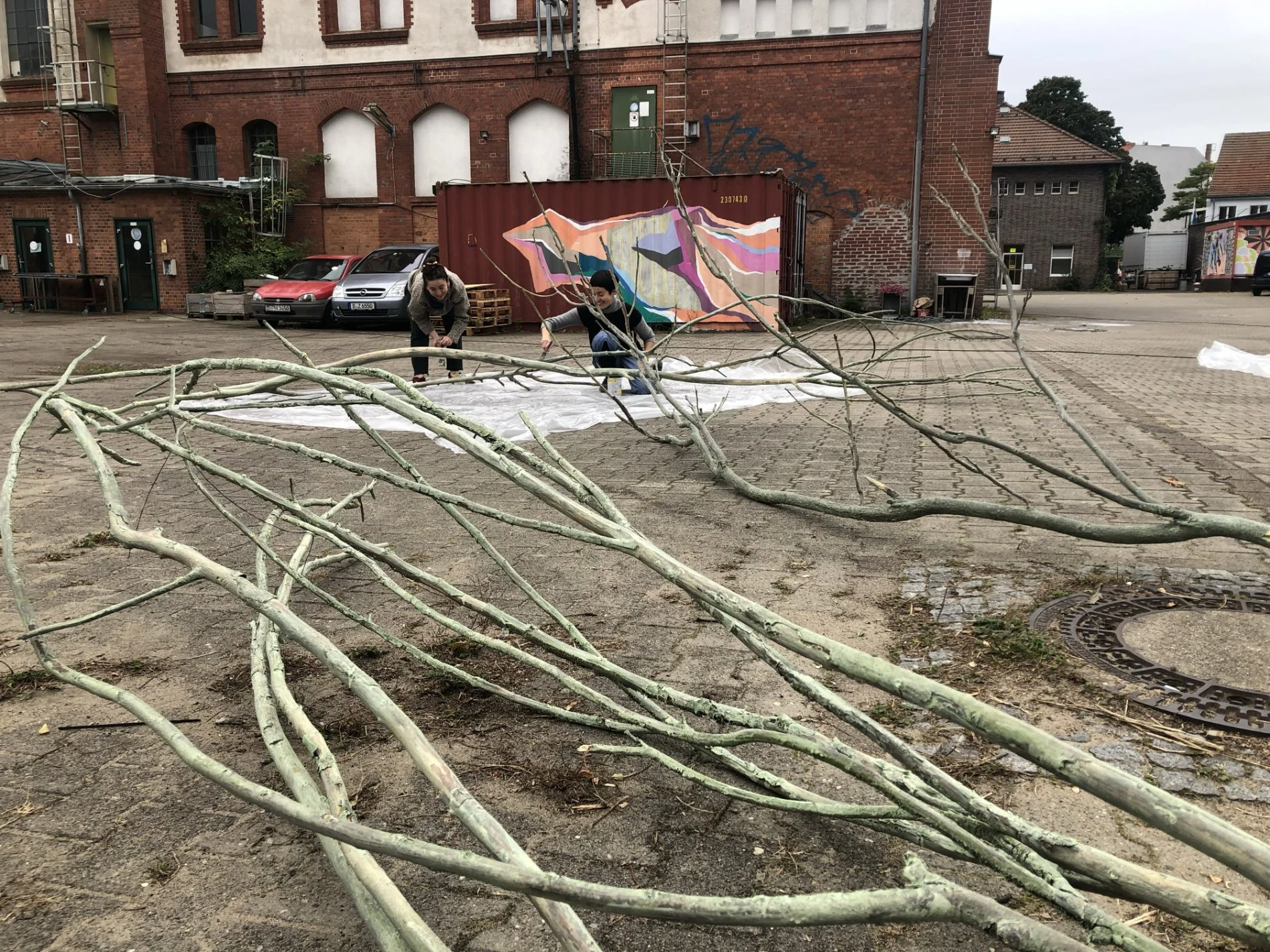
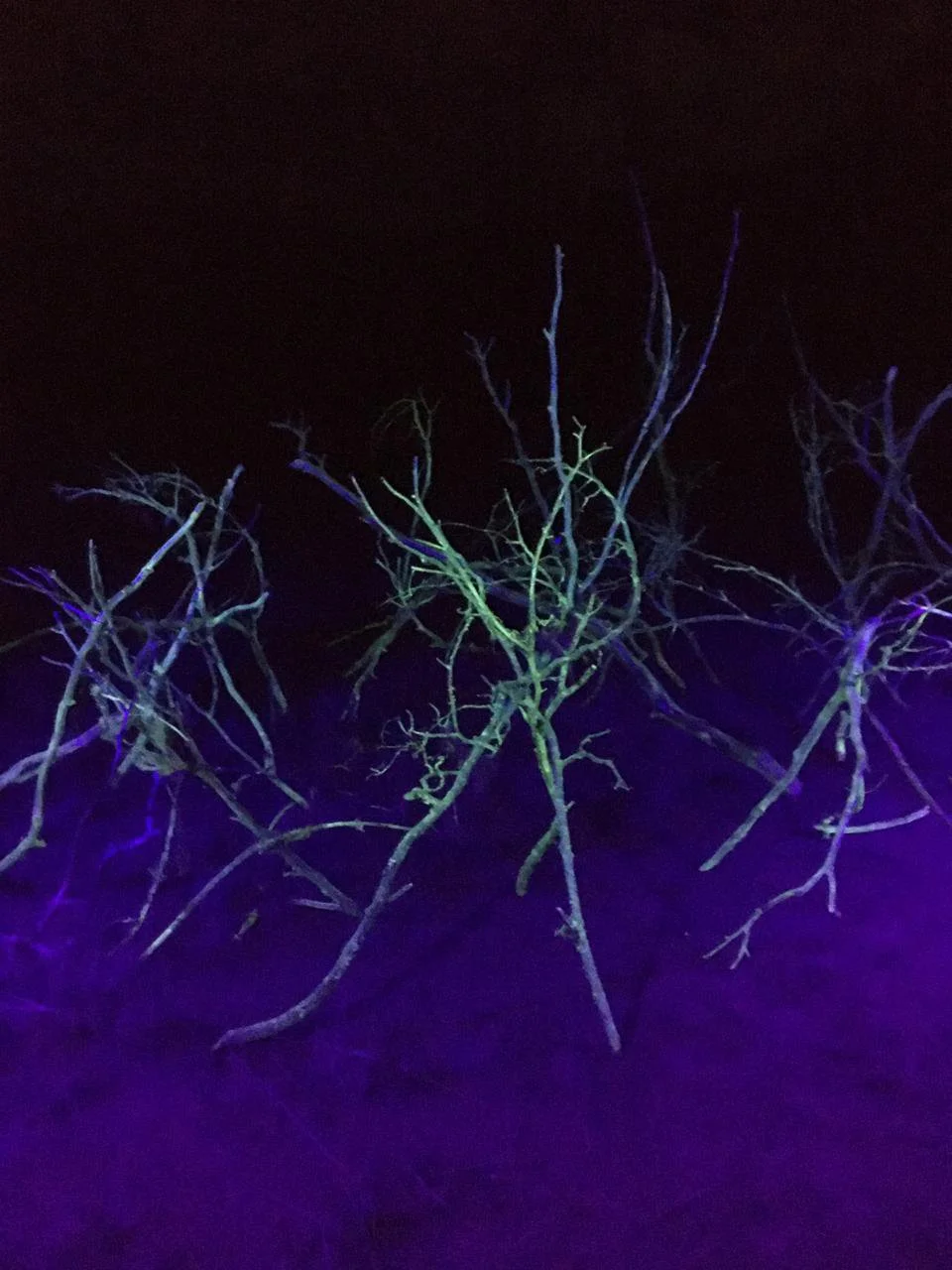
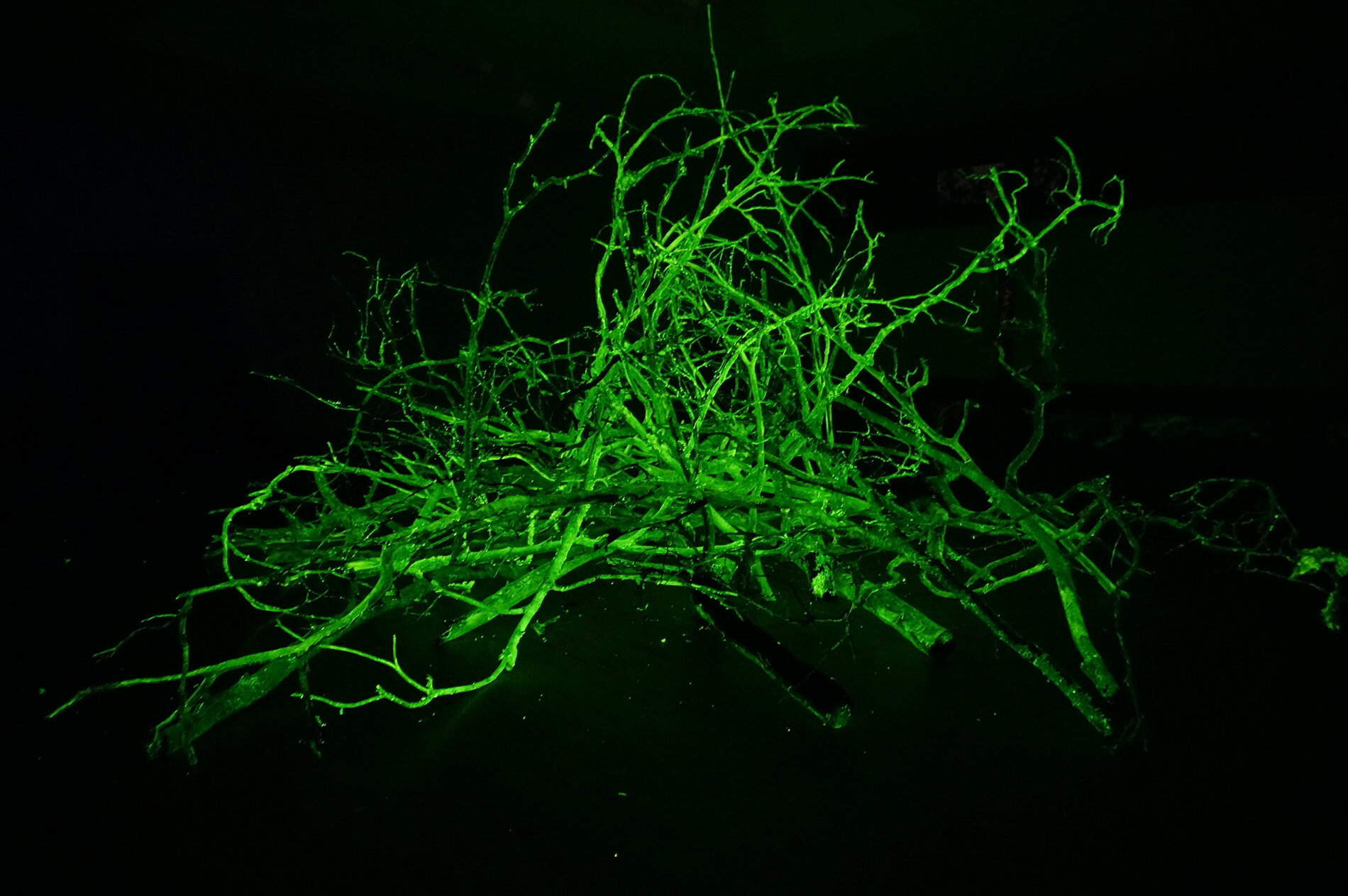
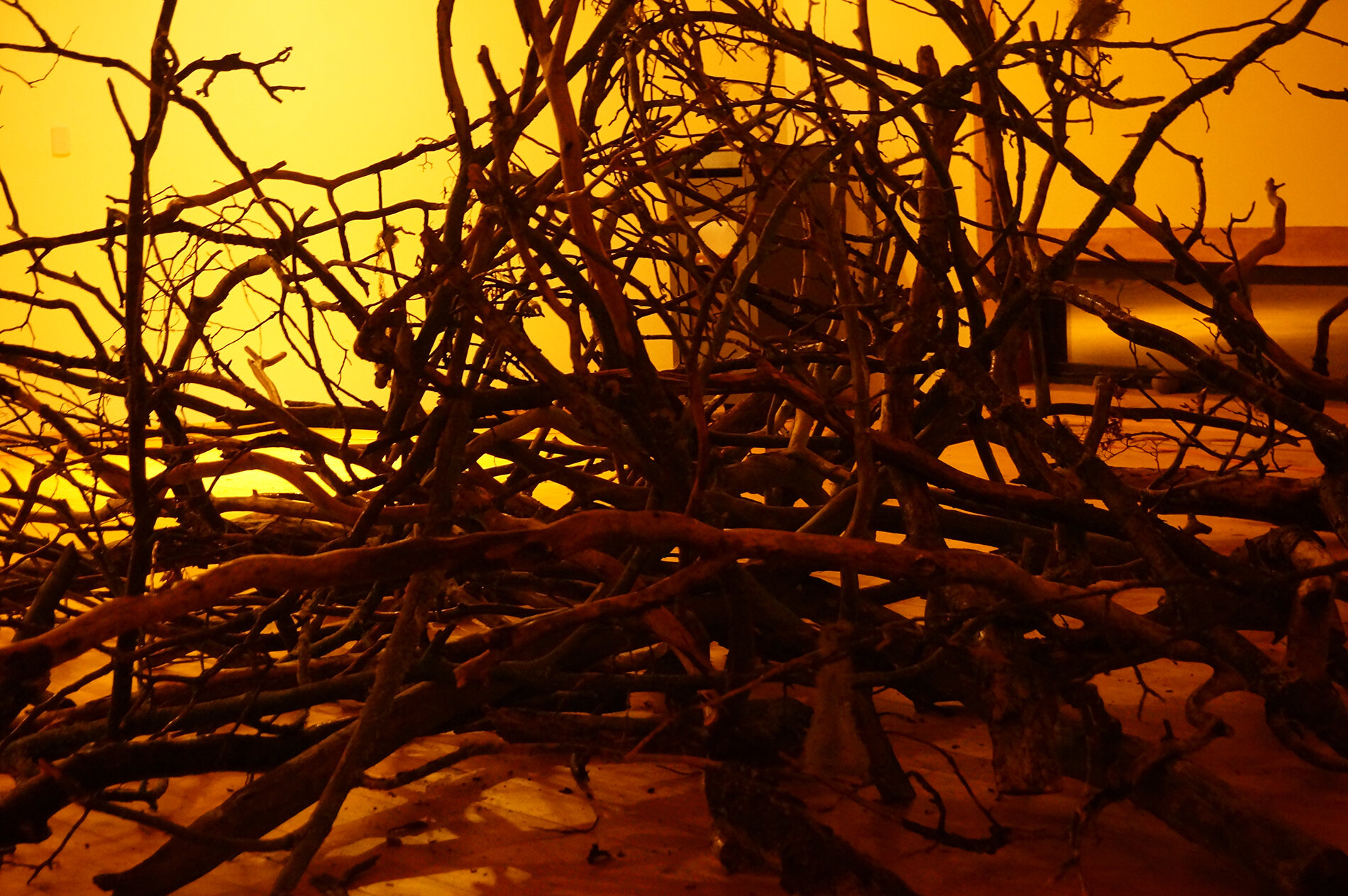
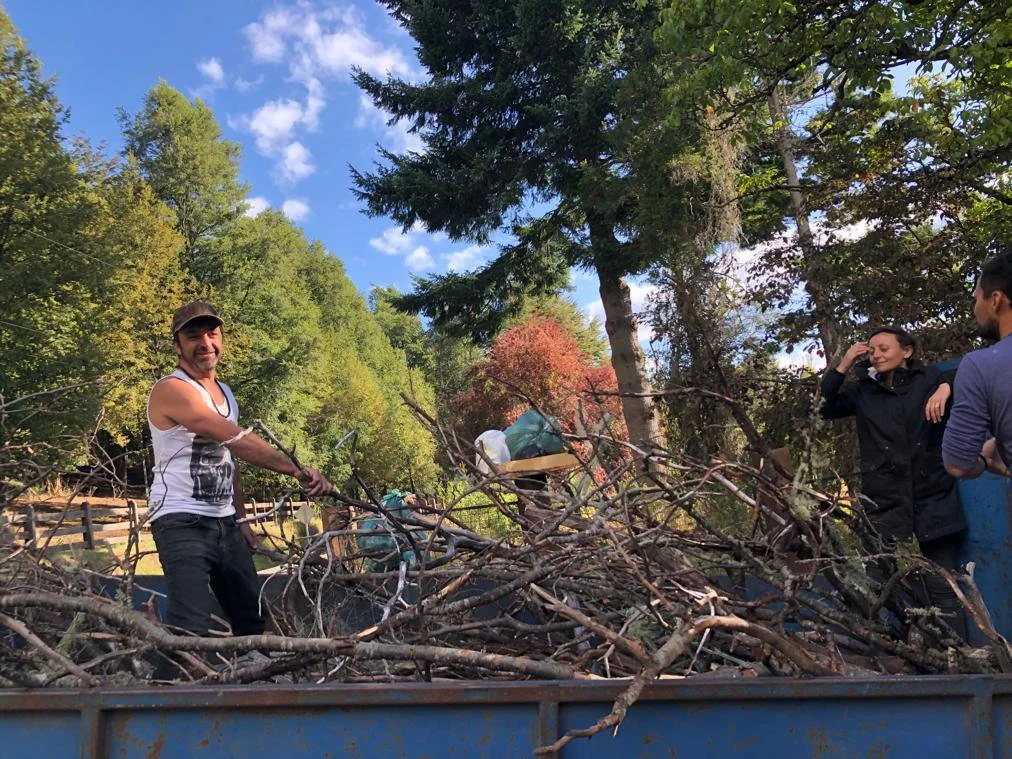
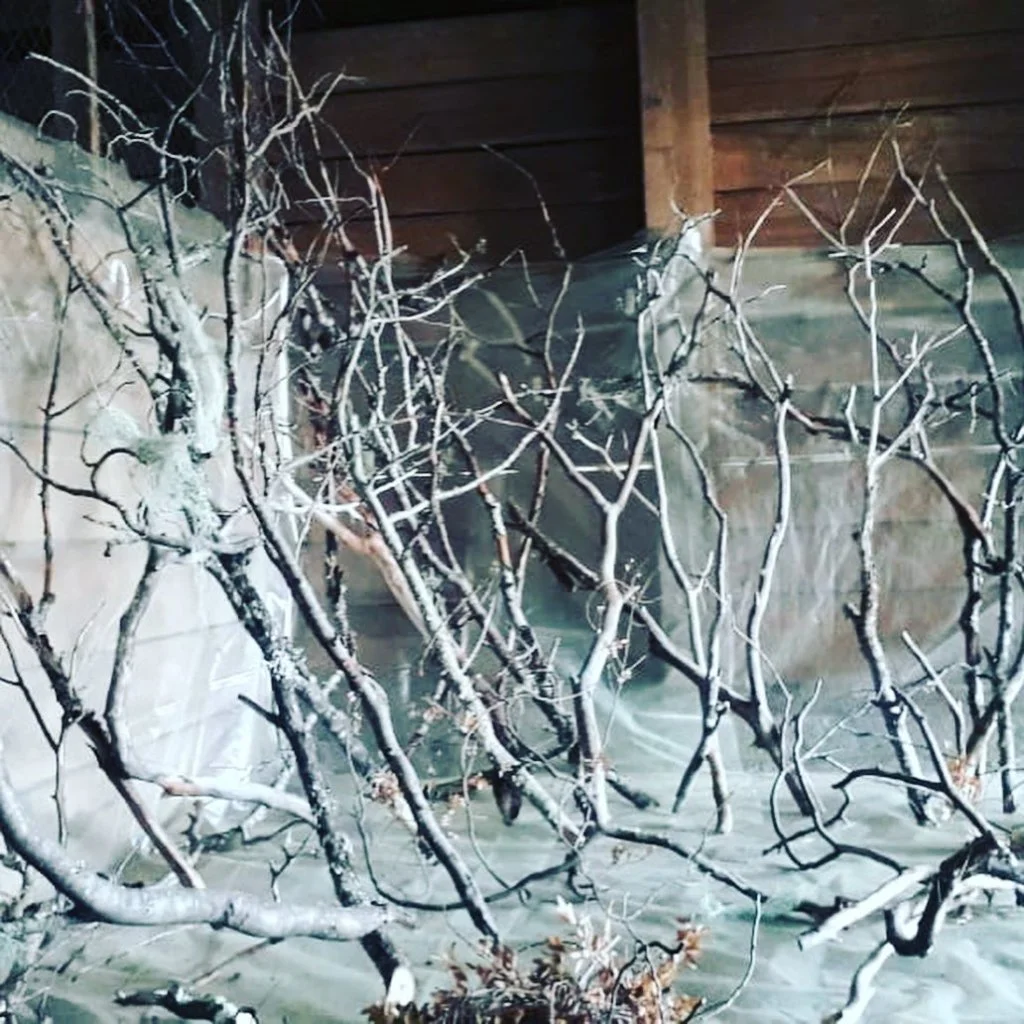
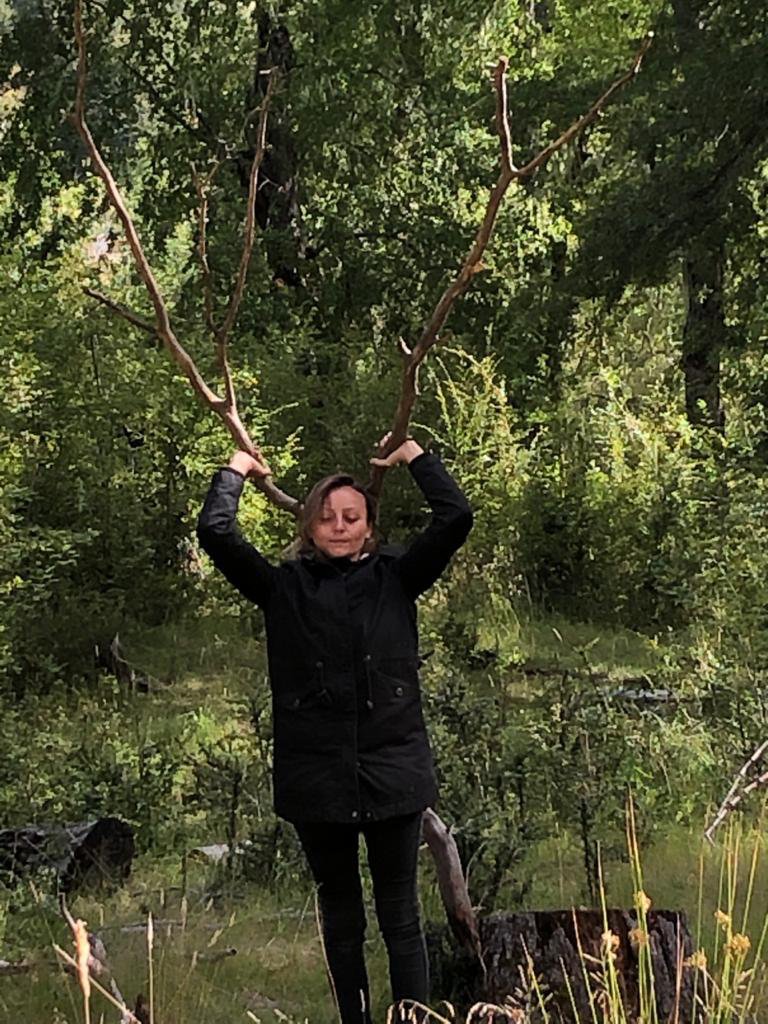
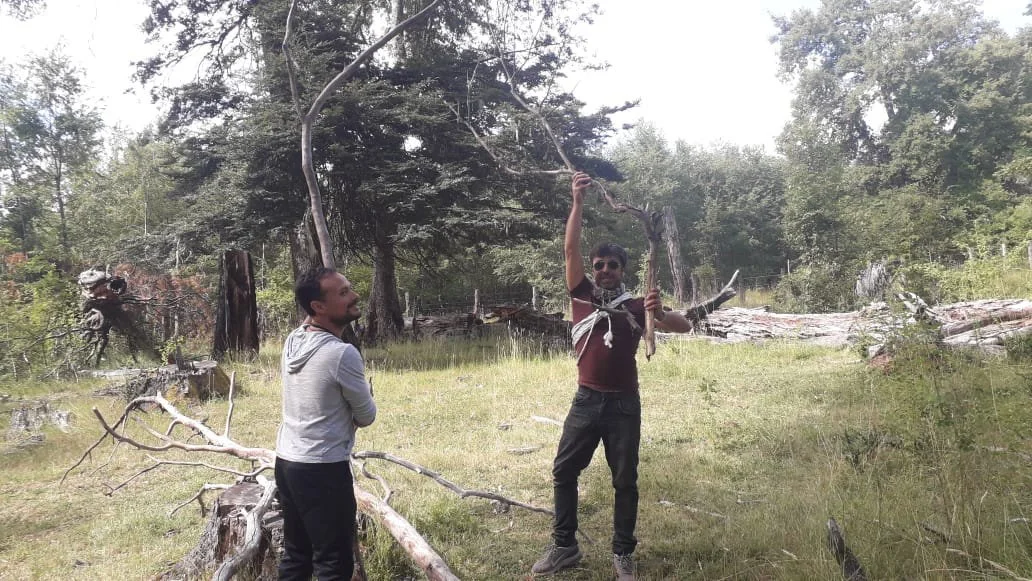
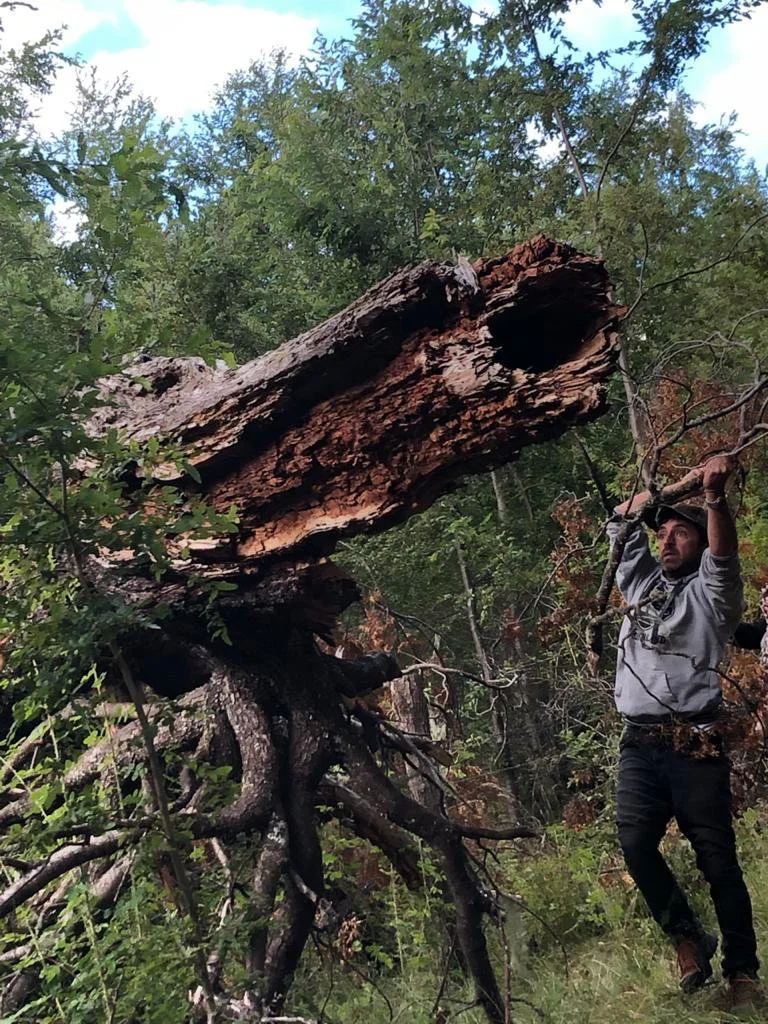
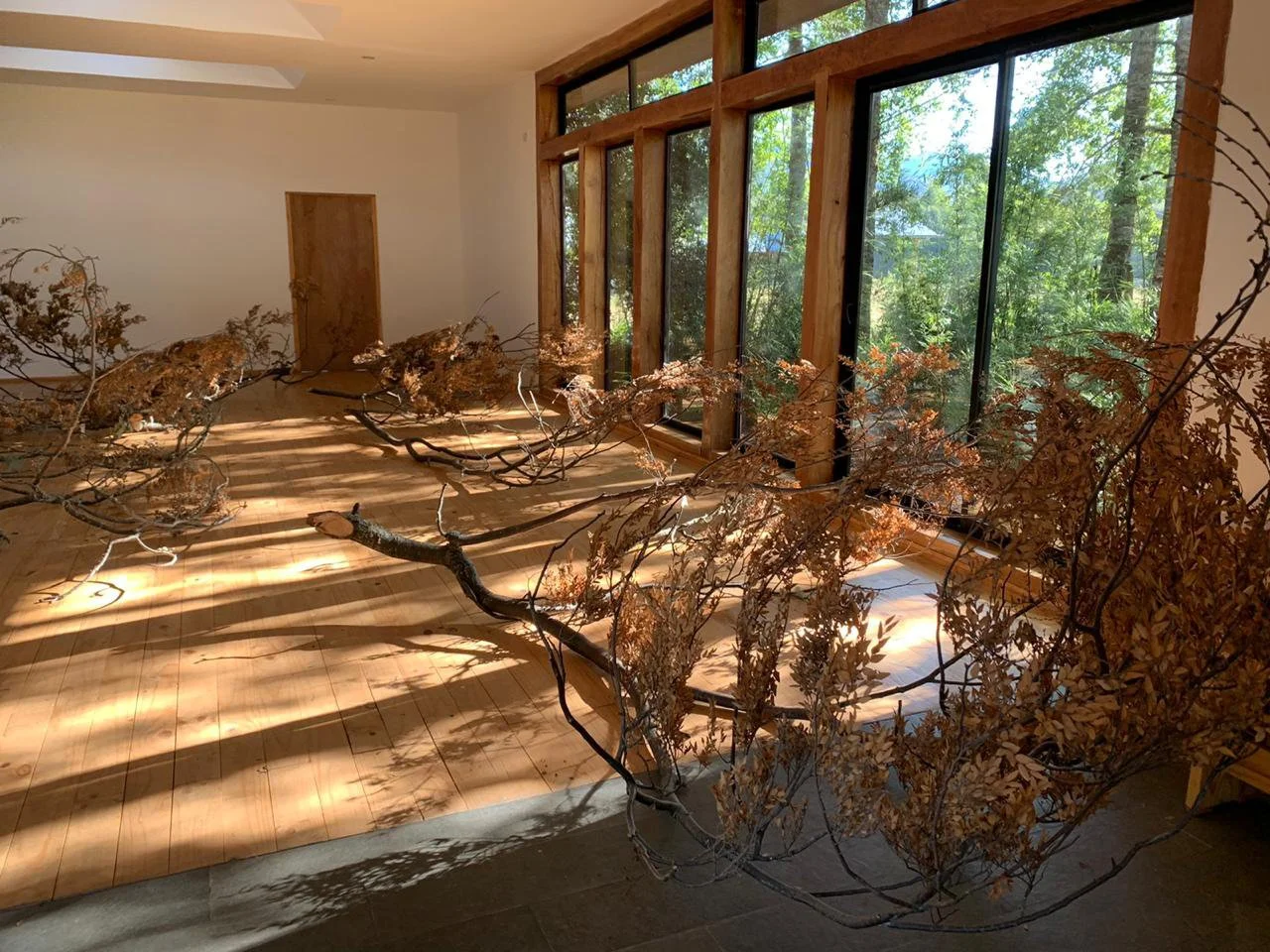
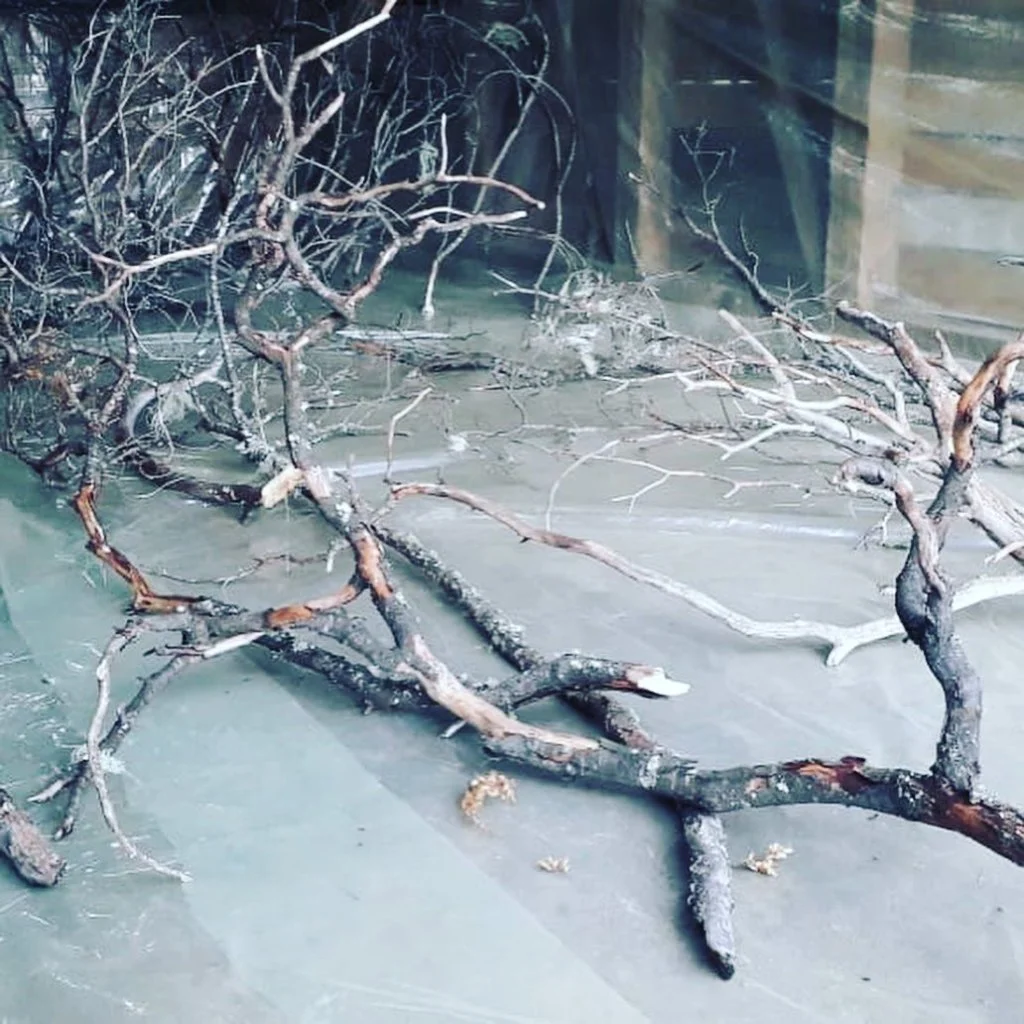
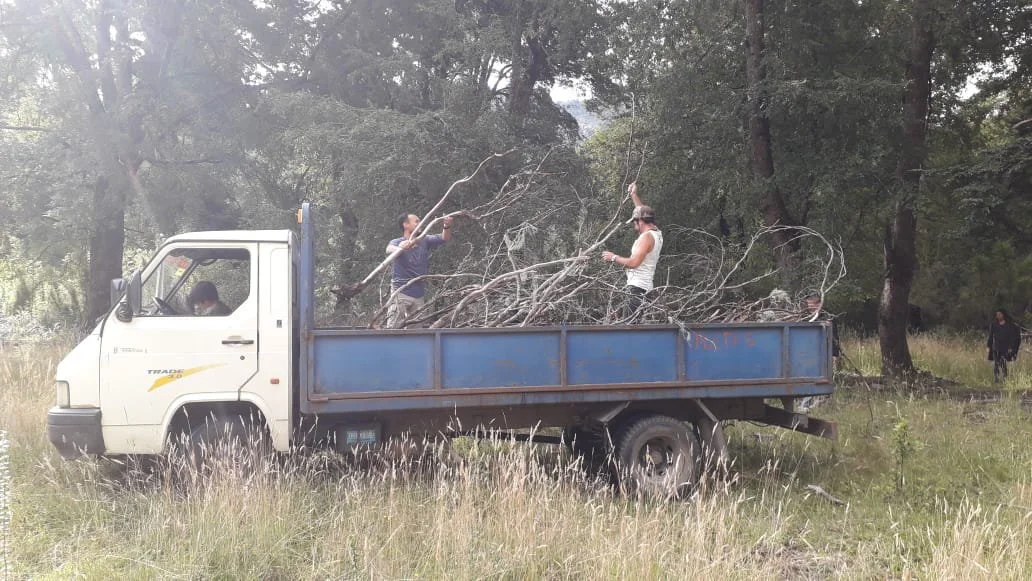
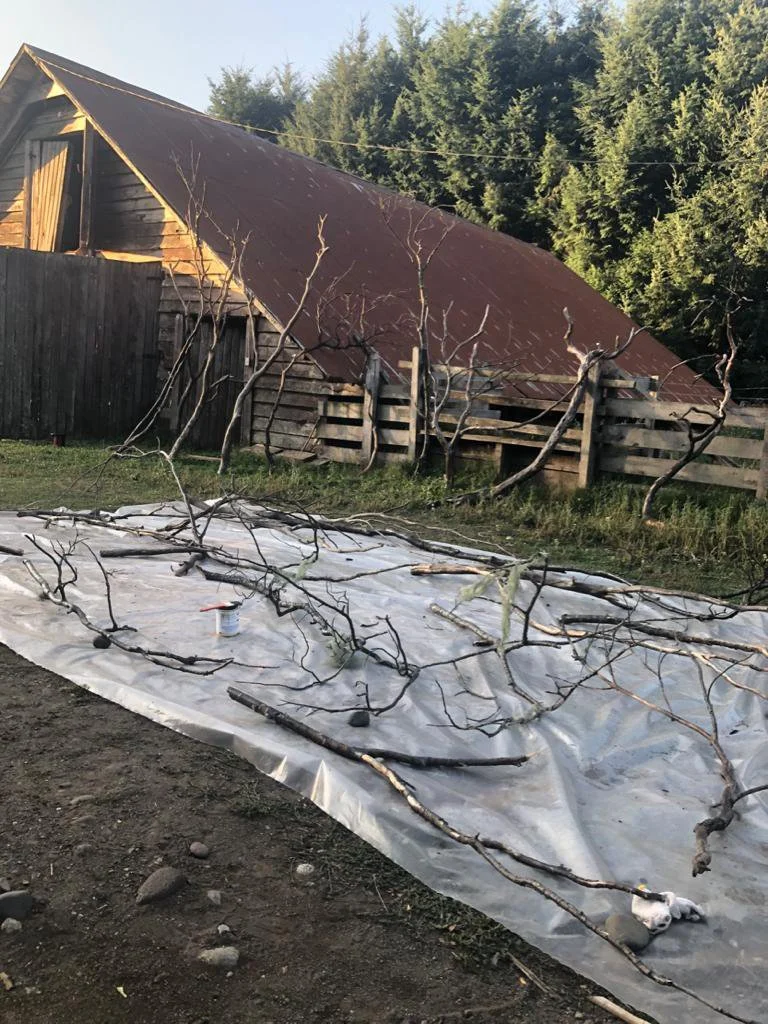
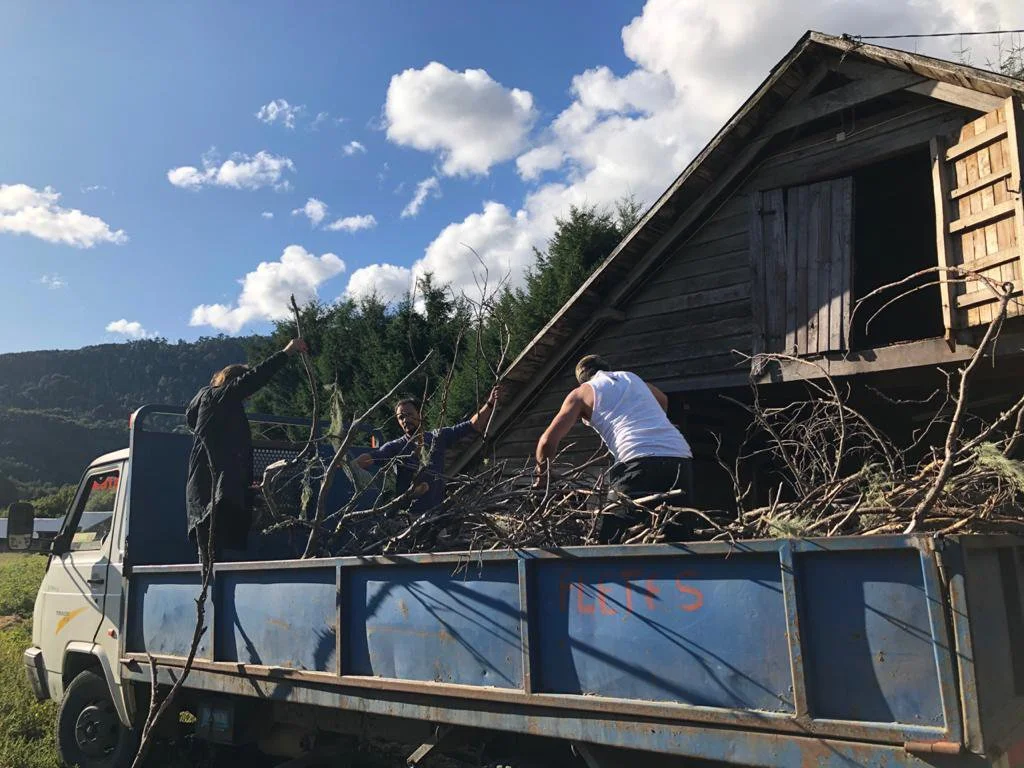
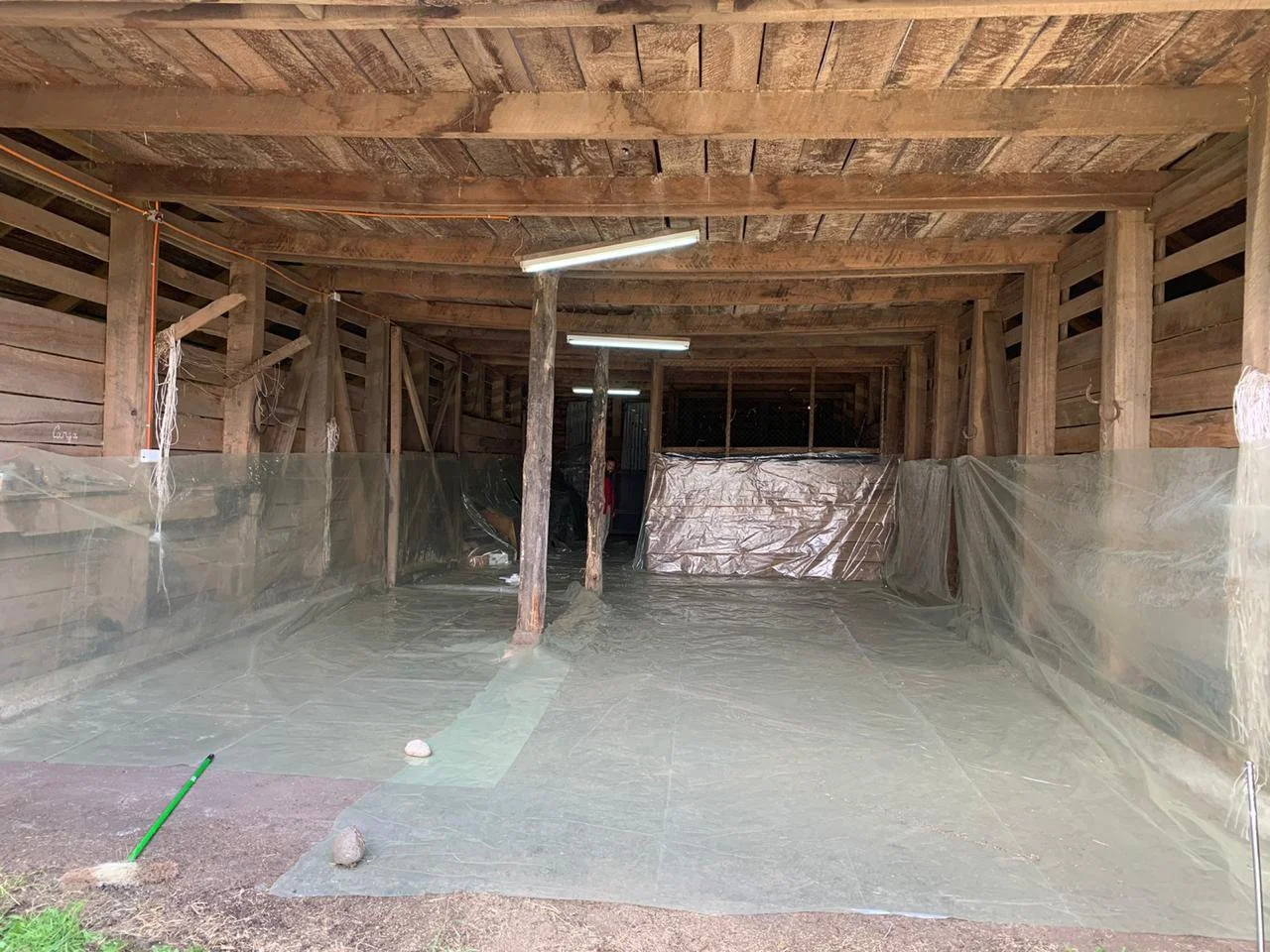
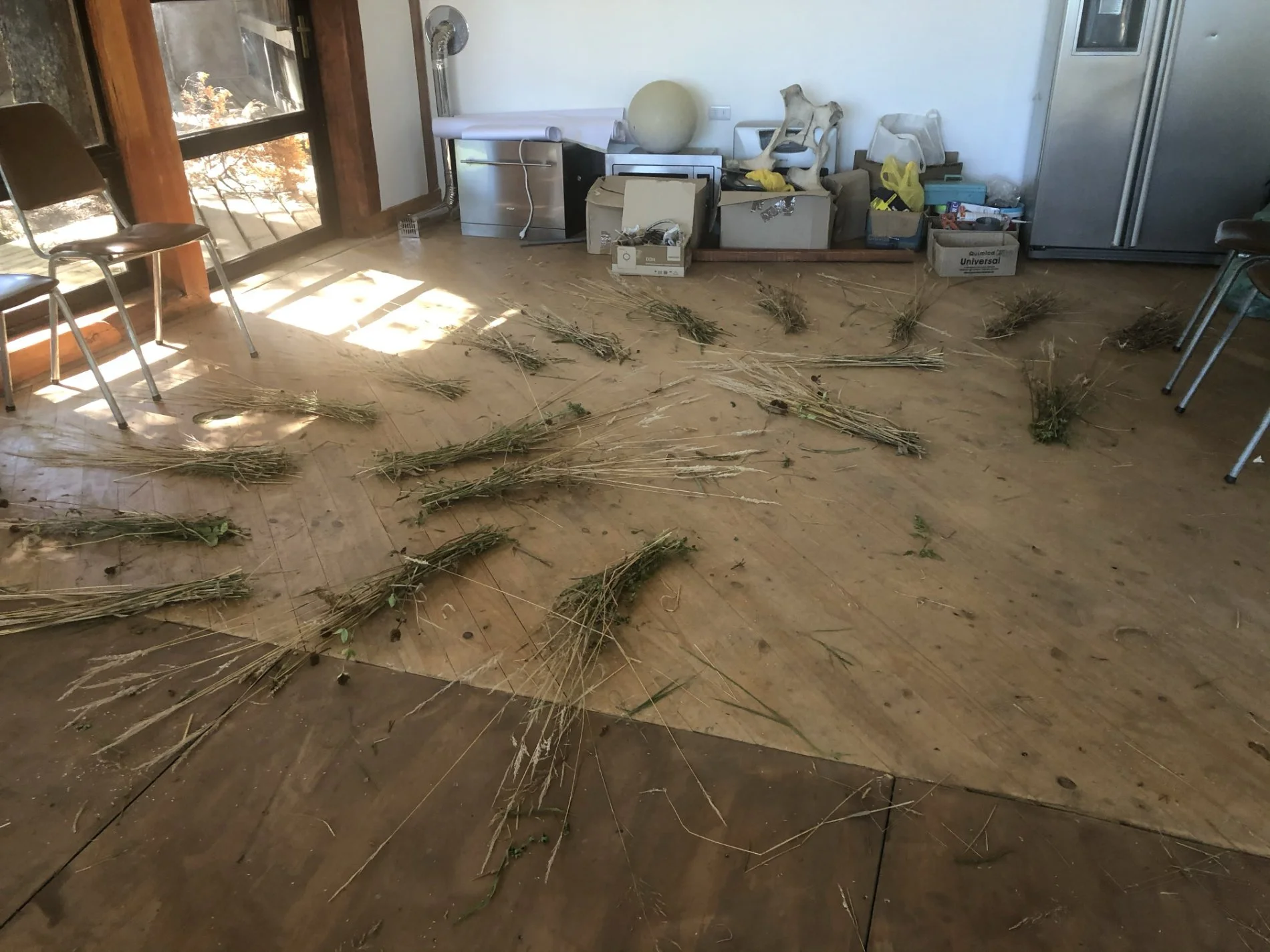
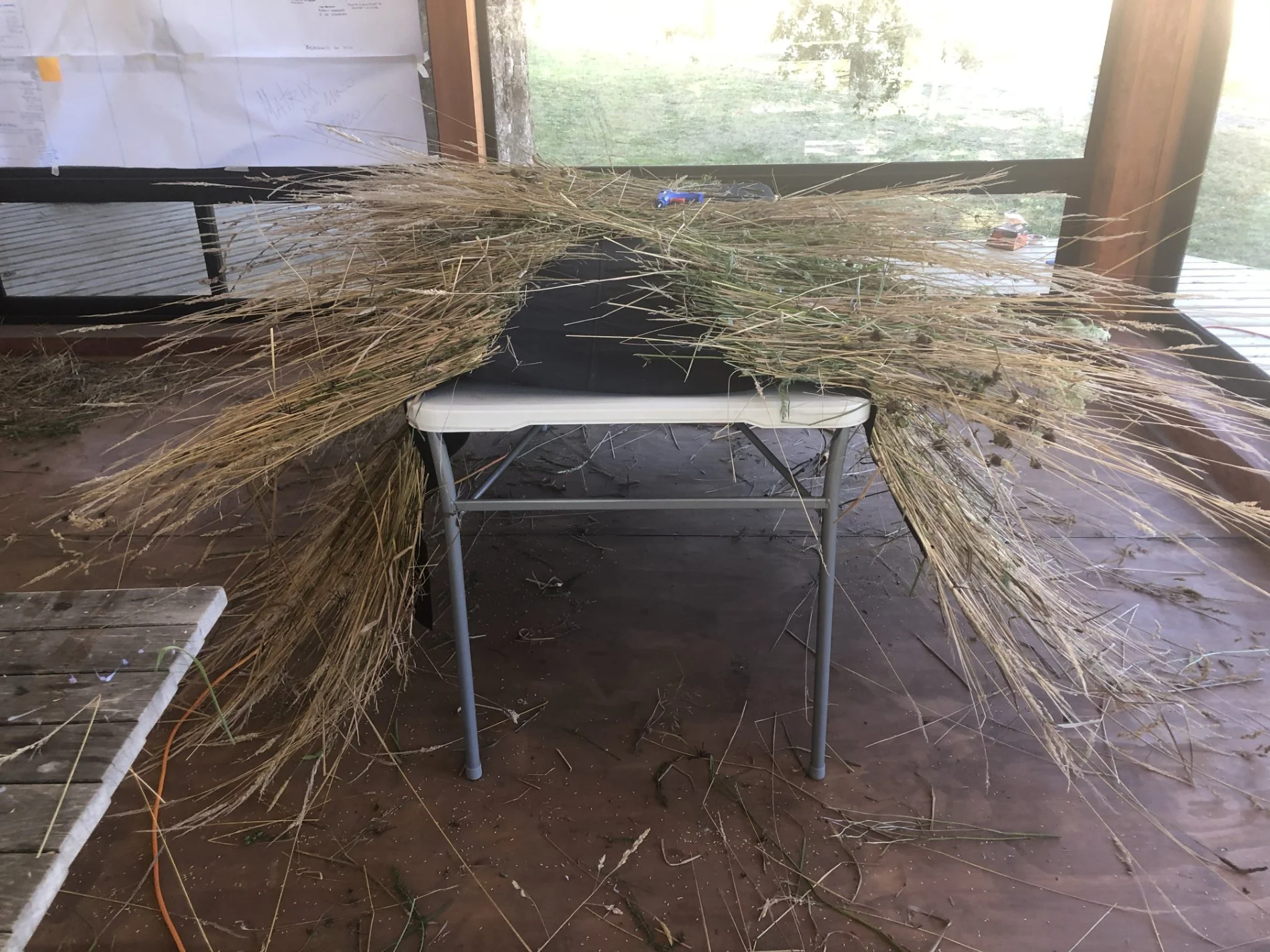
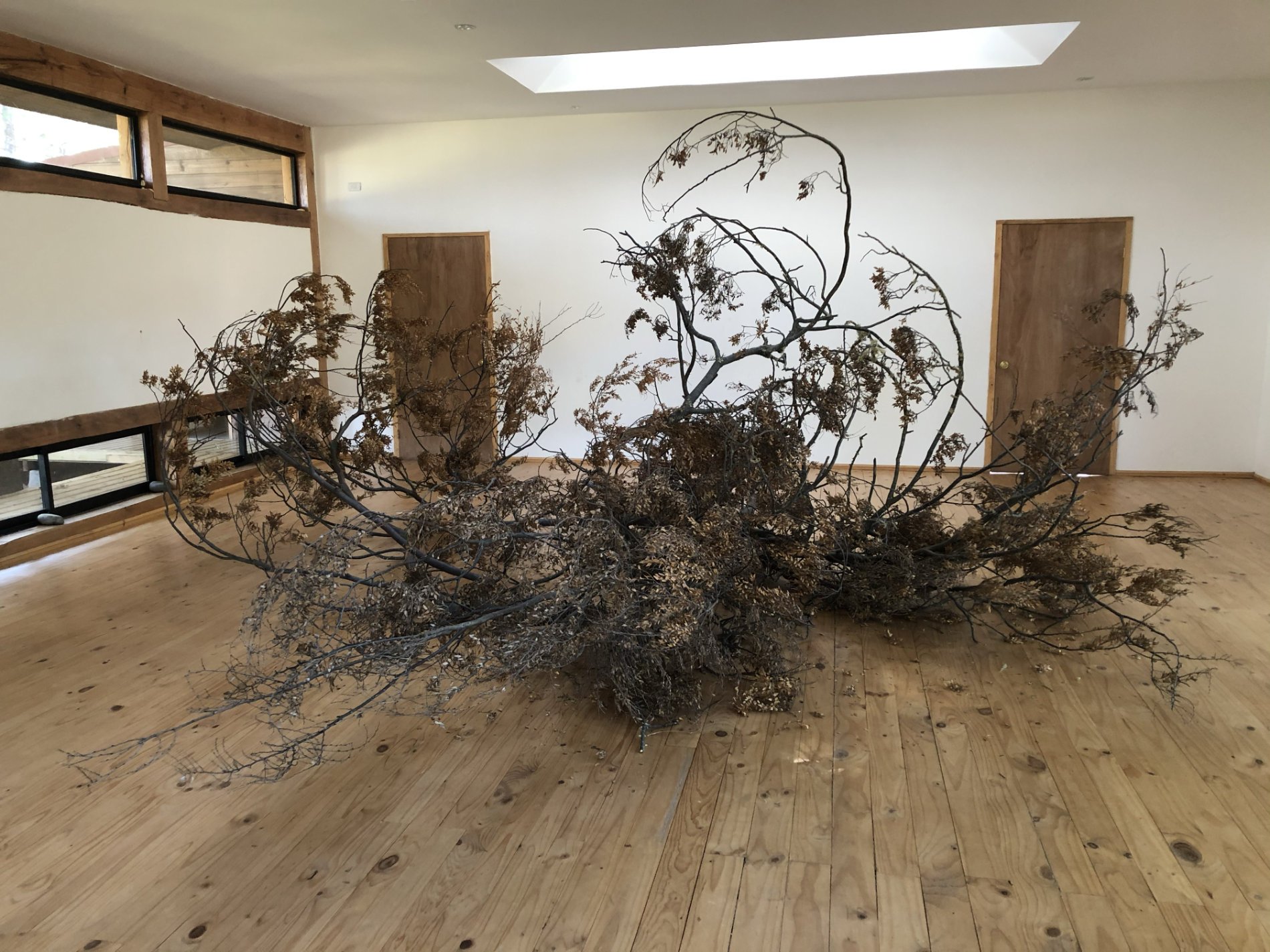
Throughout the residency, fallen branches were collected from the surrounding communities. Transported to the studio and coated with photoluminescent paint normally used for mining and emergency signage, these branches took on the appearance of skeletal remains, becoming a metaphor for a forest slowly losing its capacity to sustain life.
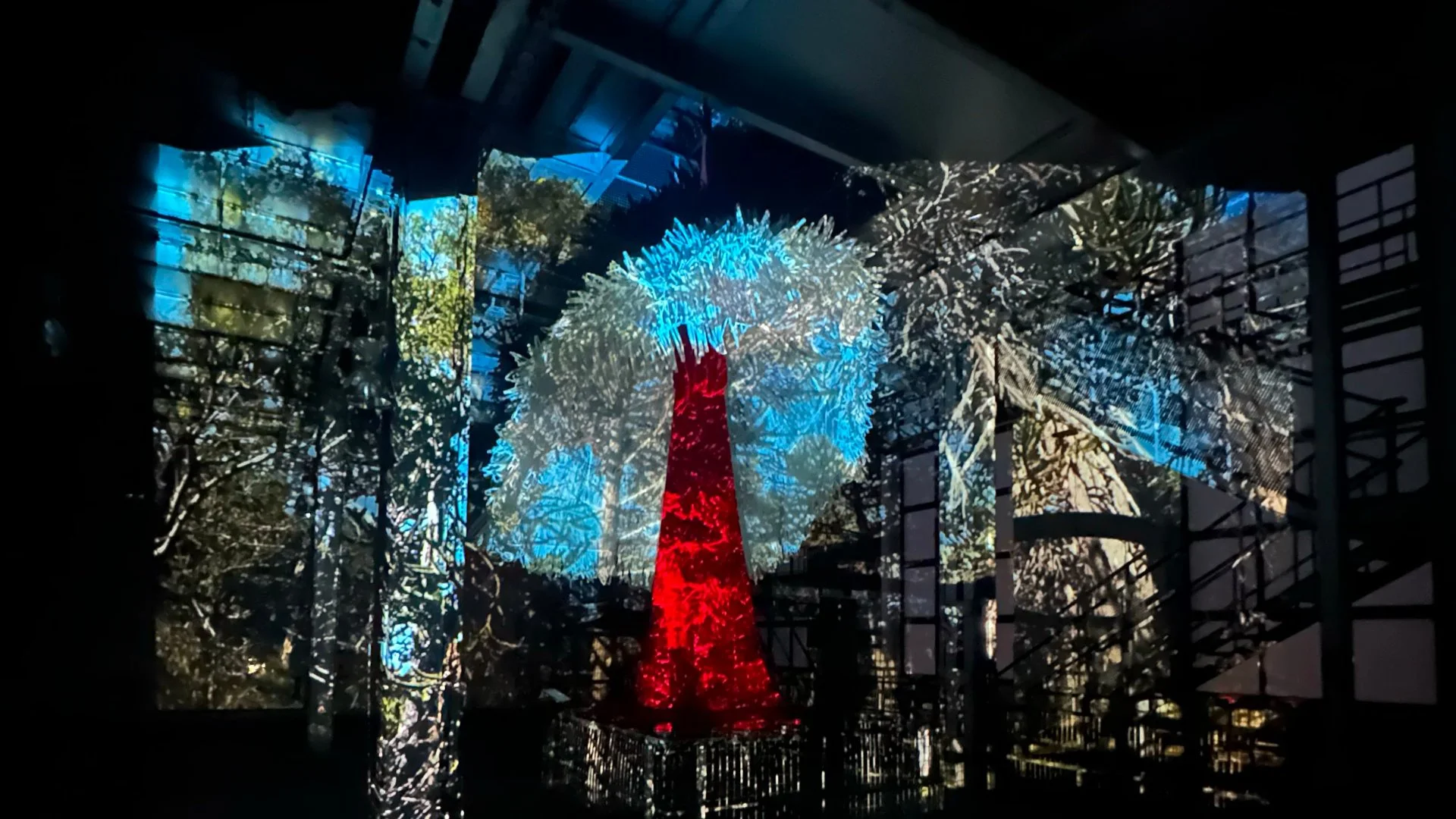
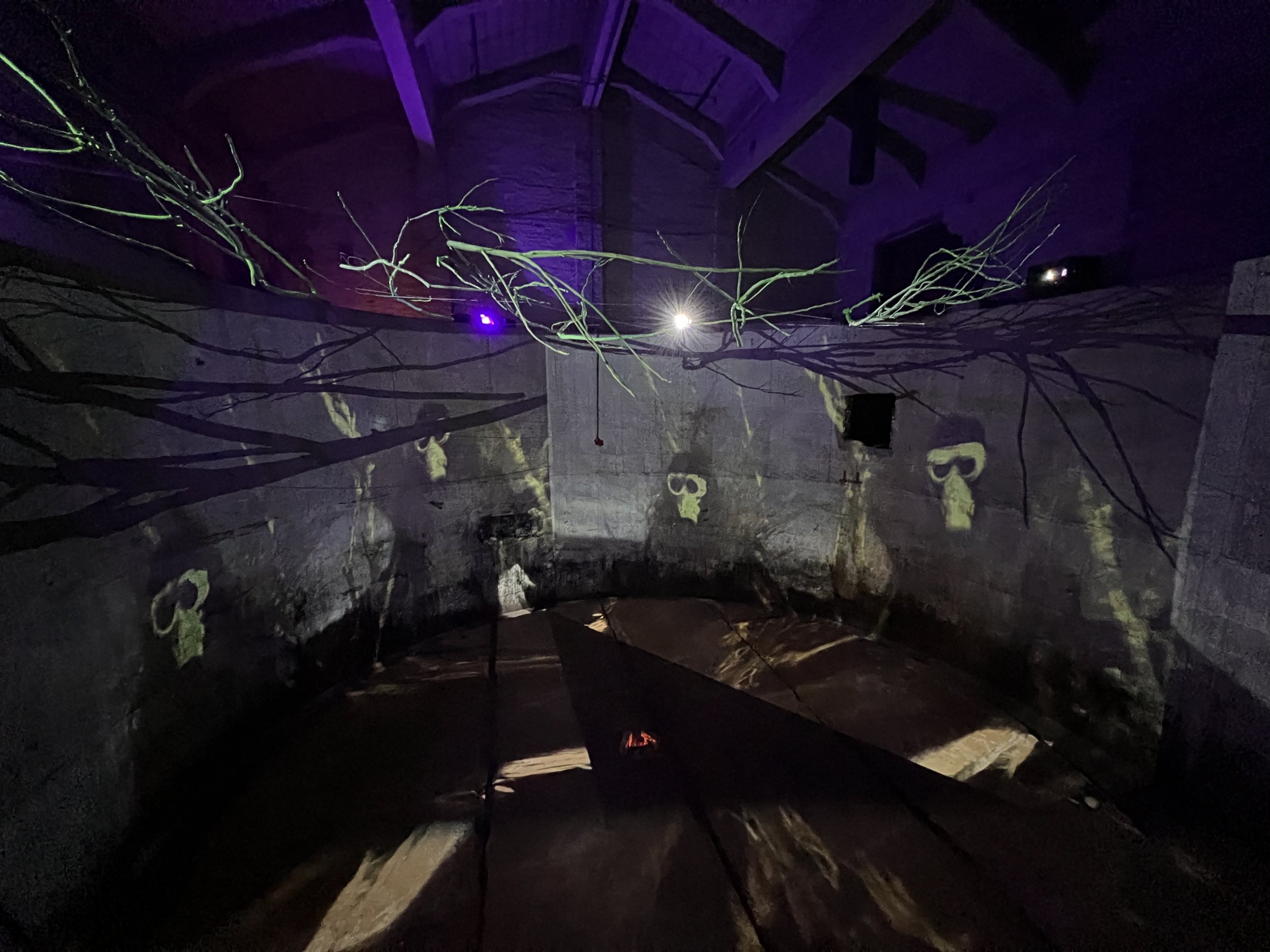
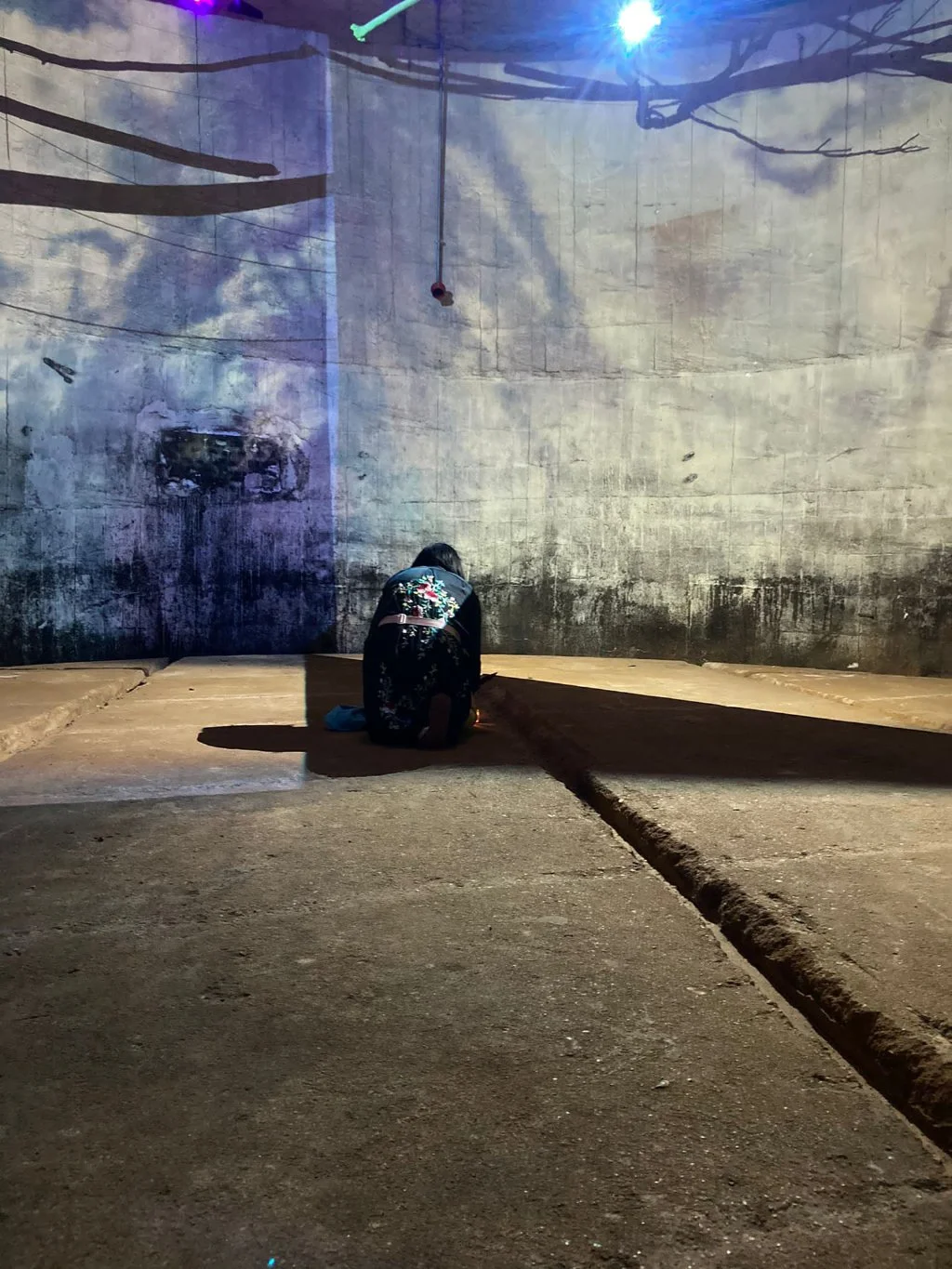
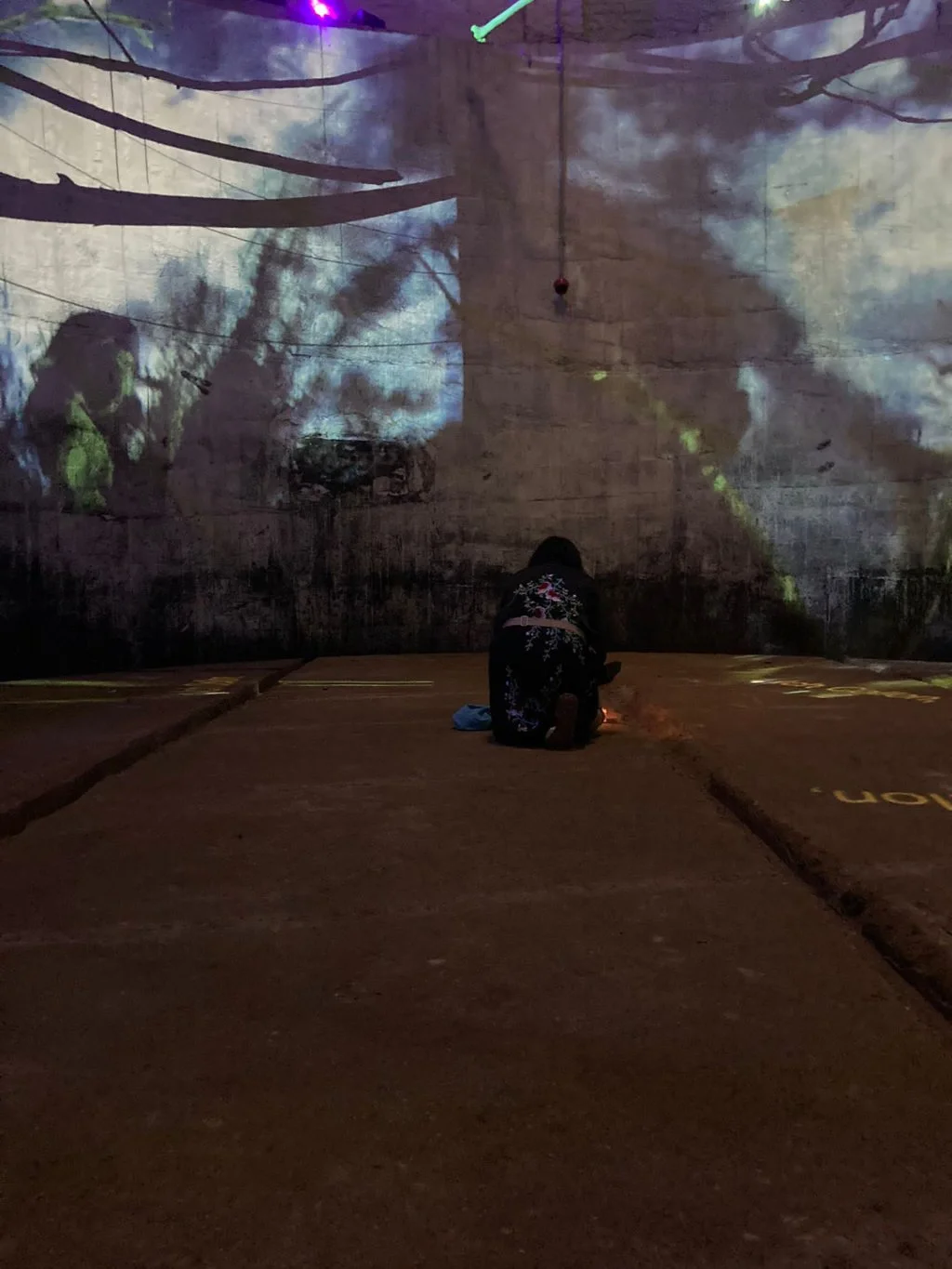
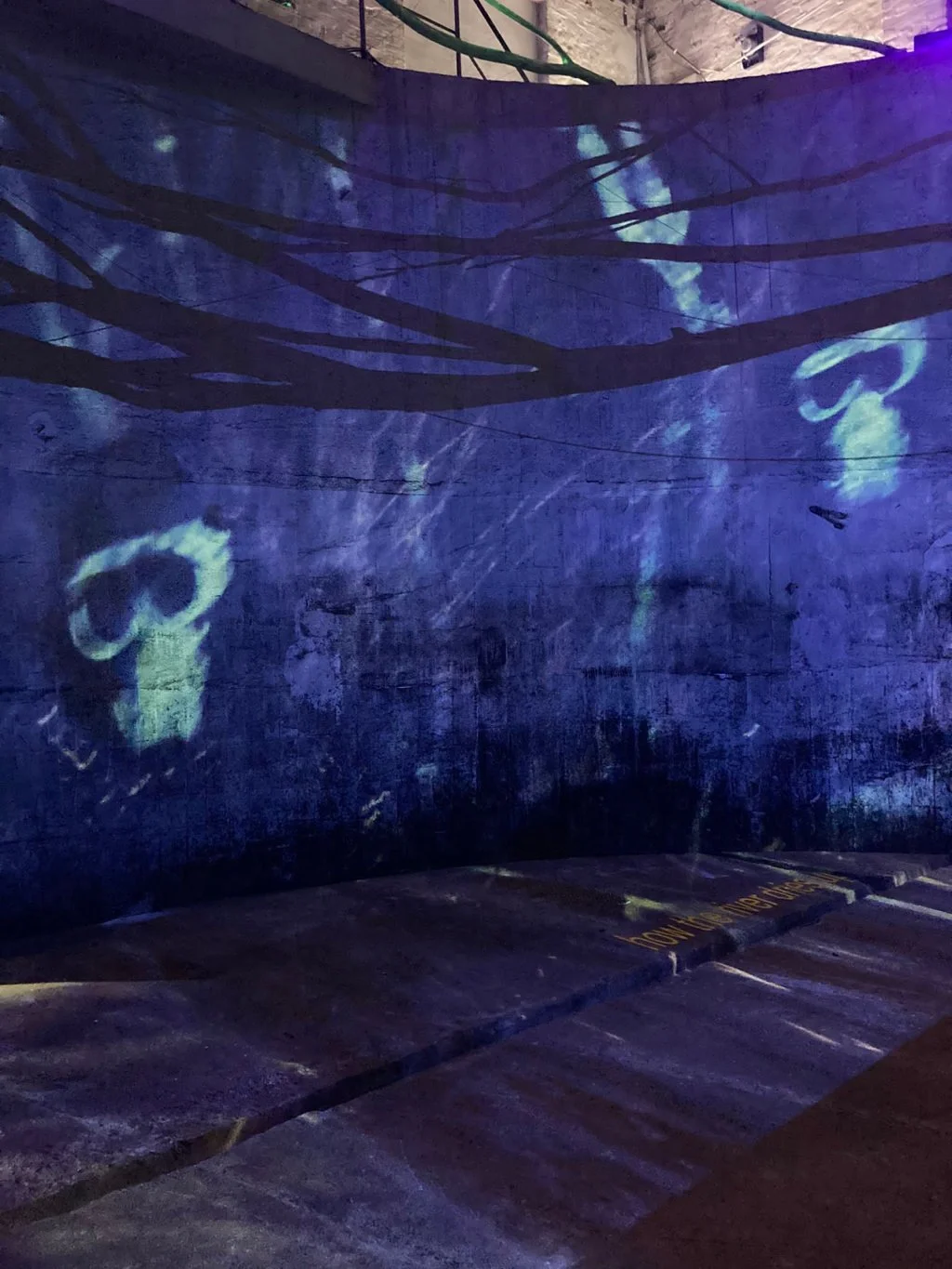
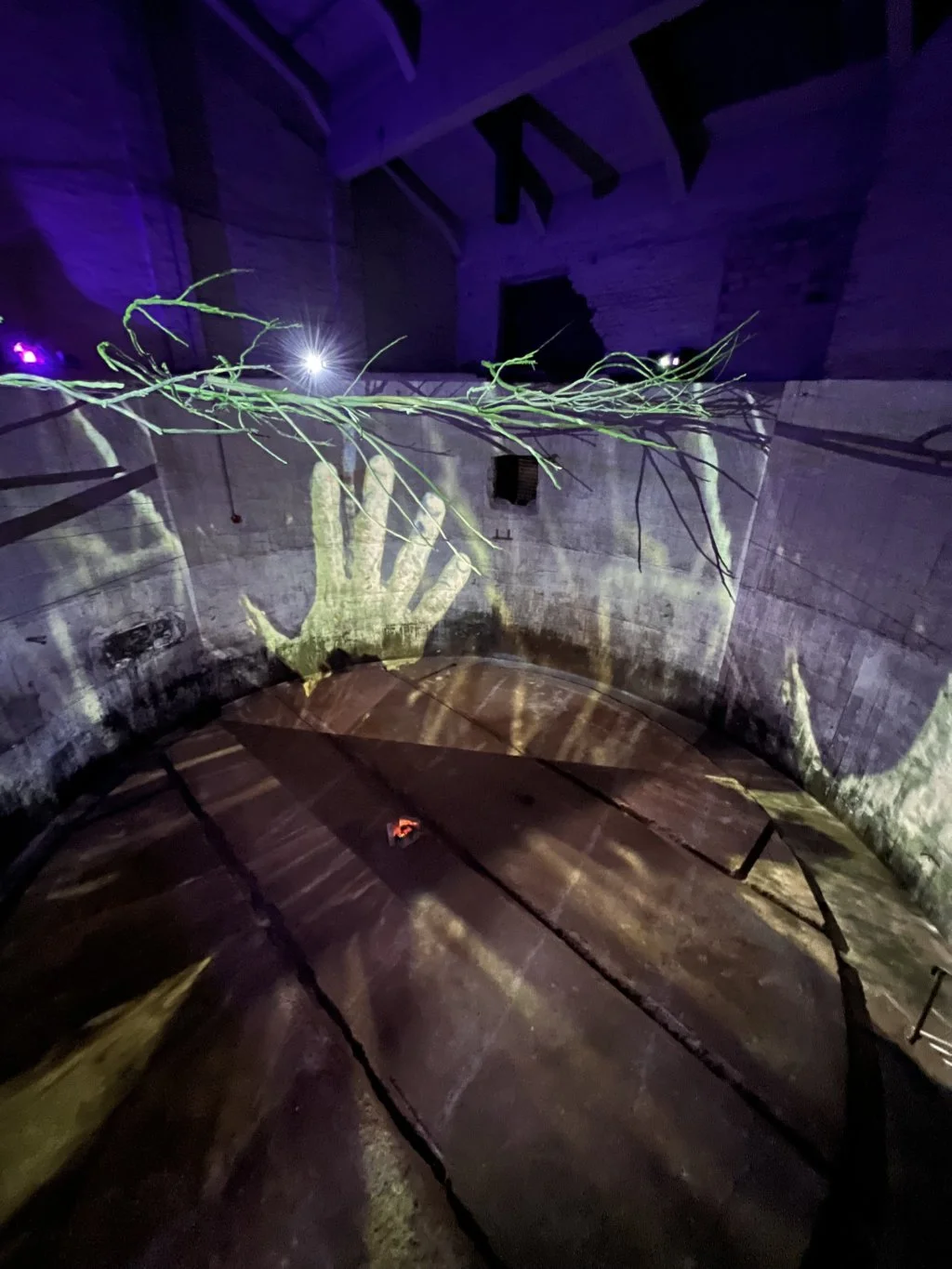
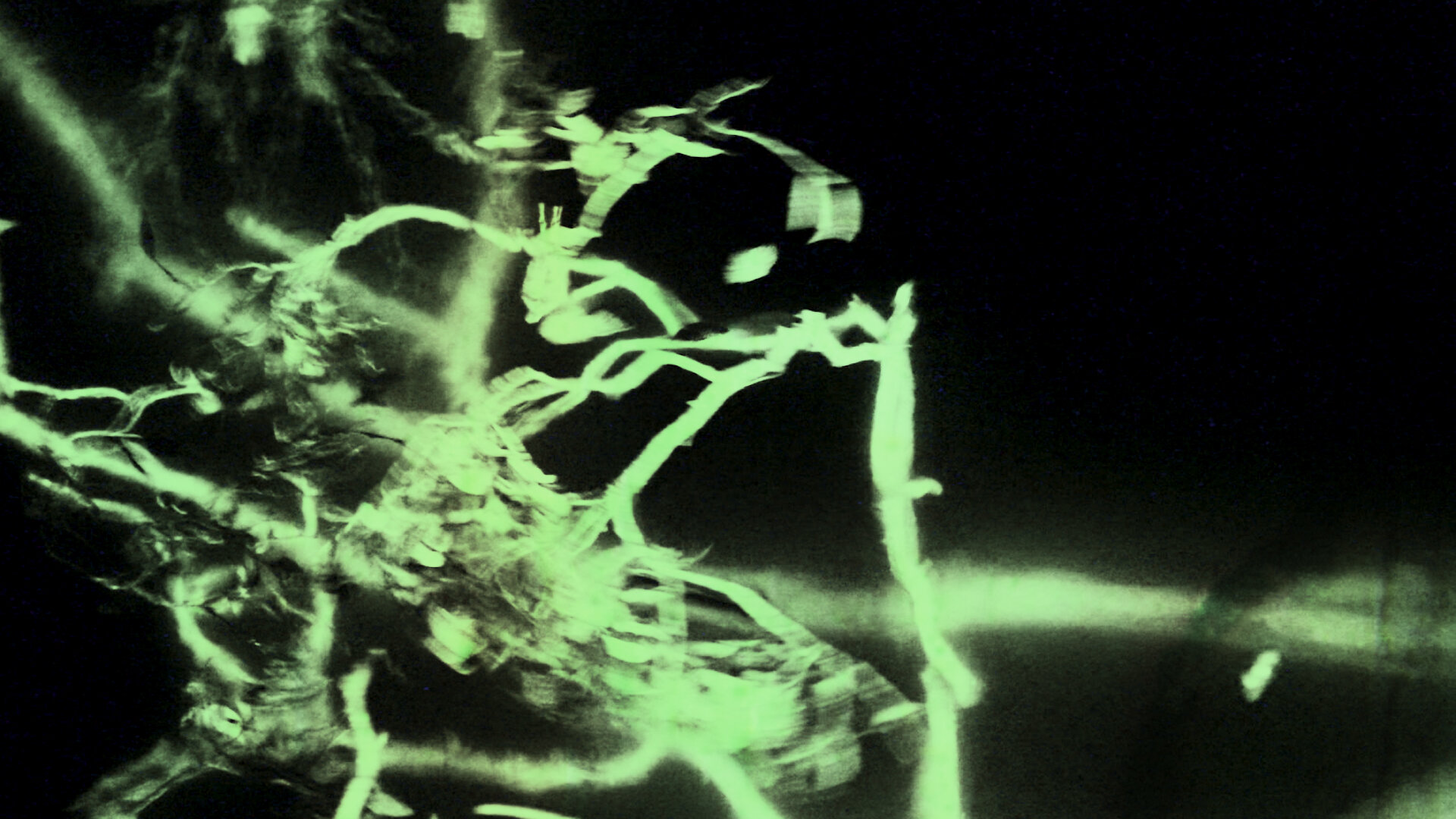
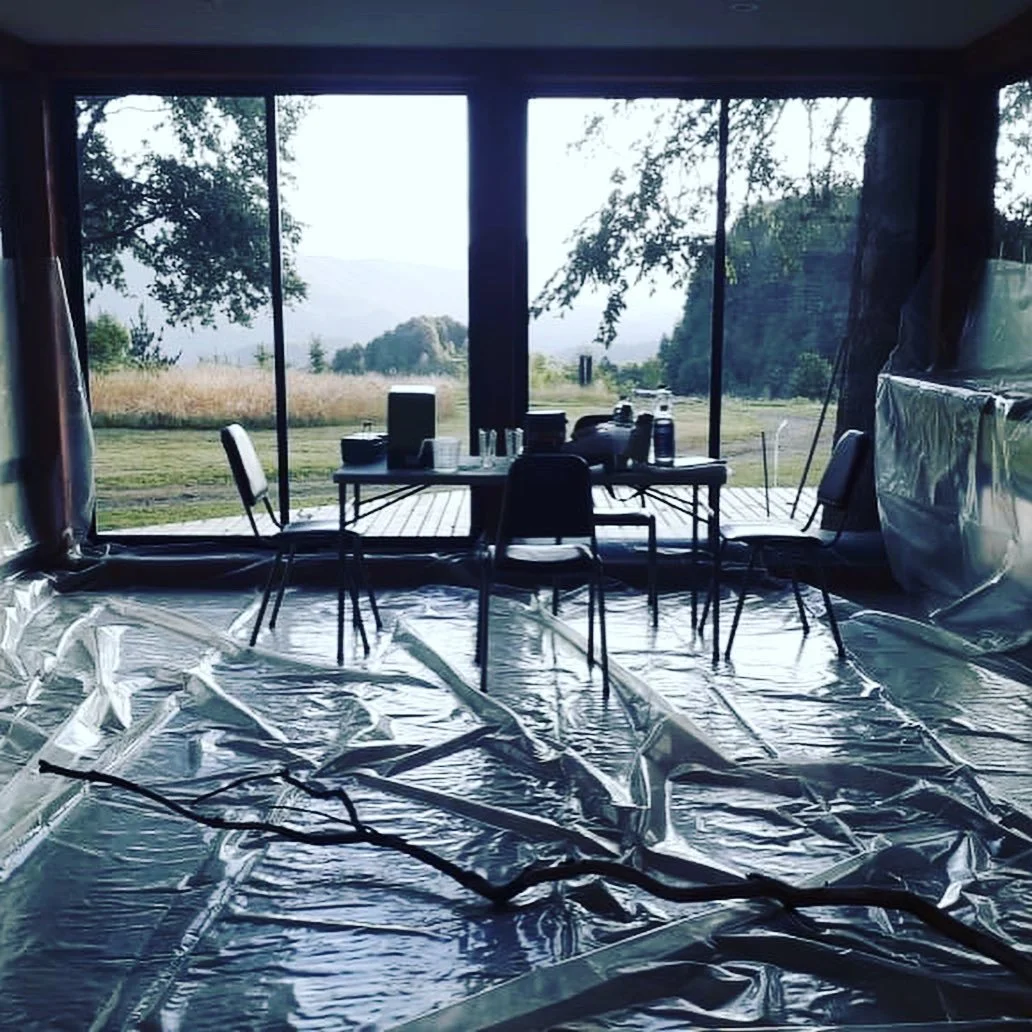
The installation brings together four suspended projection surfaces, sound recordings captured on site, an olfactory composition created from forest essences, and a video inspired by the Mapuche worldview. Developed specifically for the work in collaboration with a perfumer, the scent transforms the space into a sensory environment where image, sound, material and aroma merge into a single landscape.
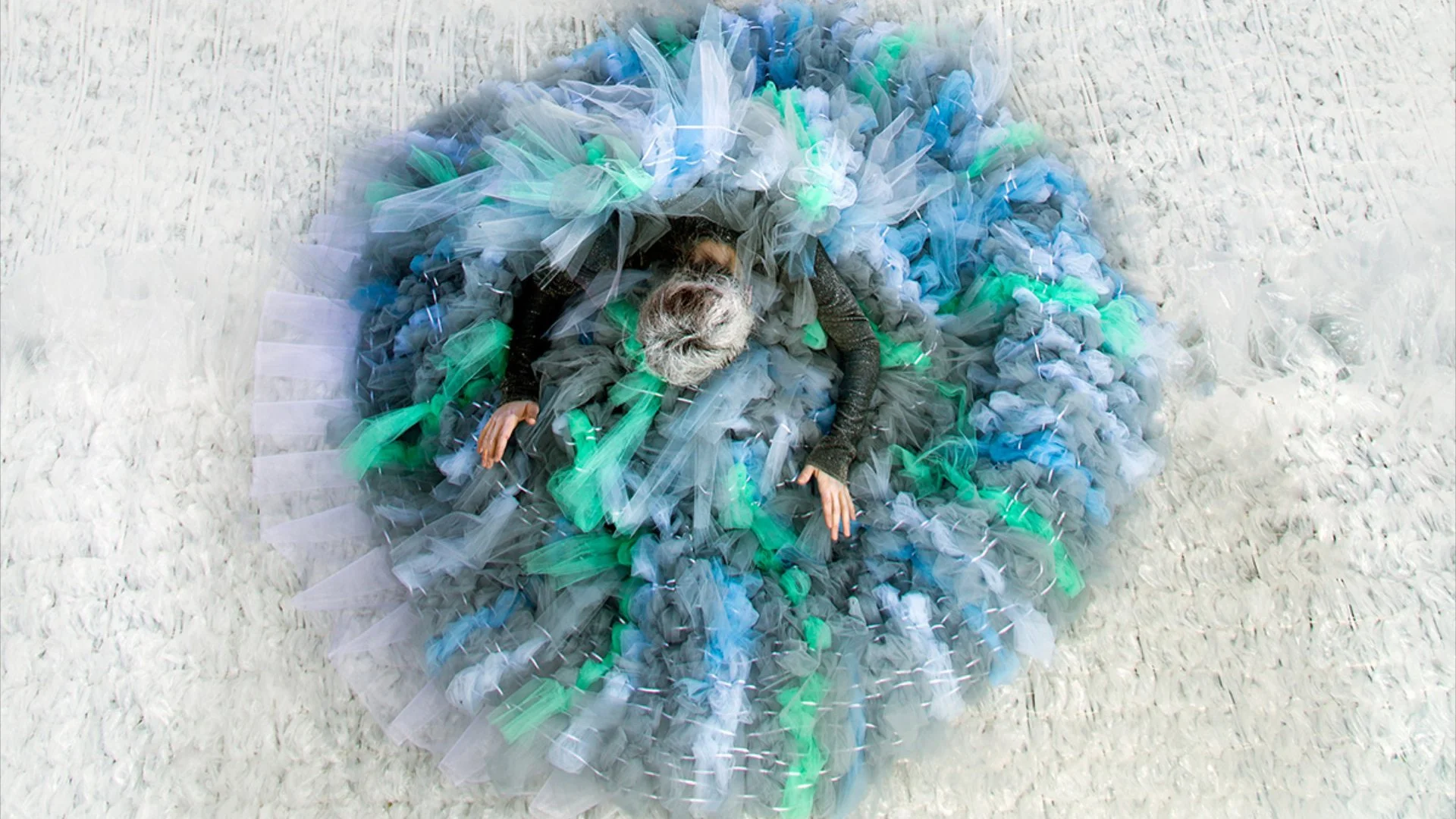
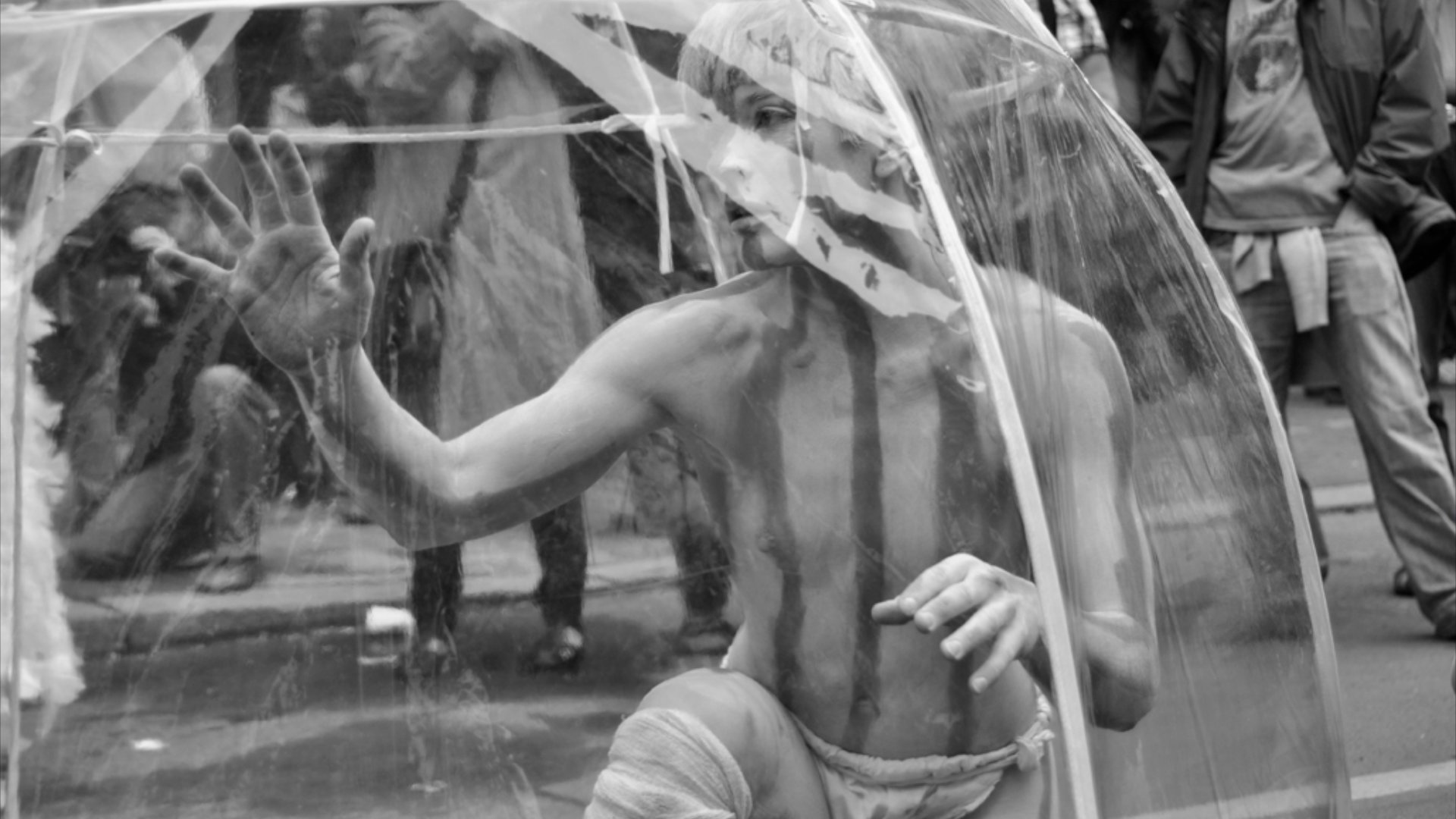
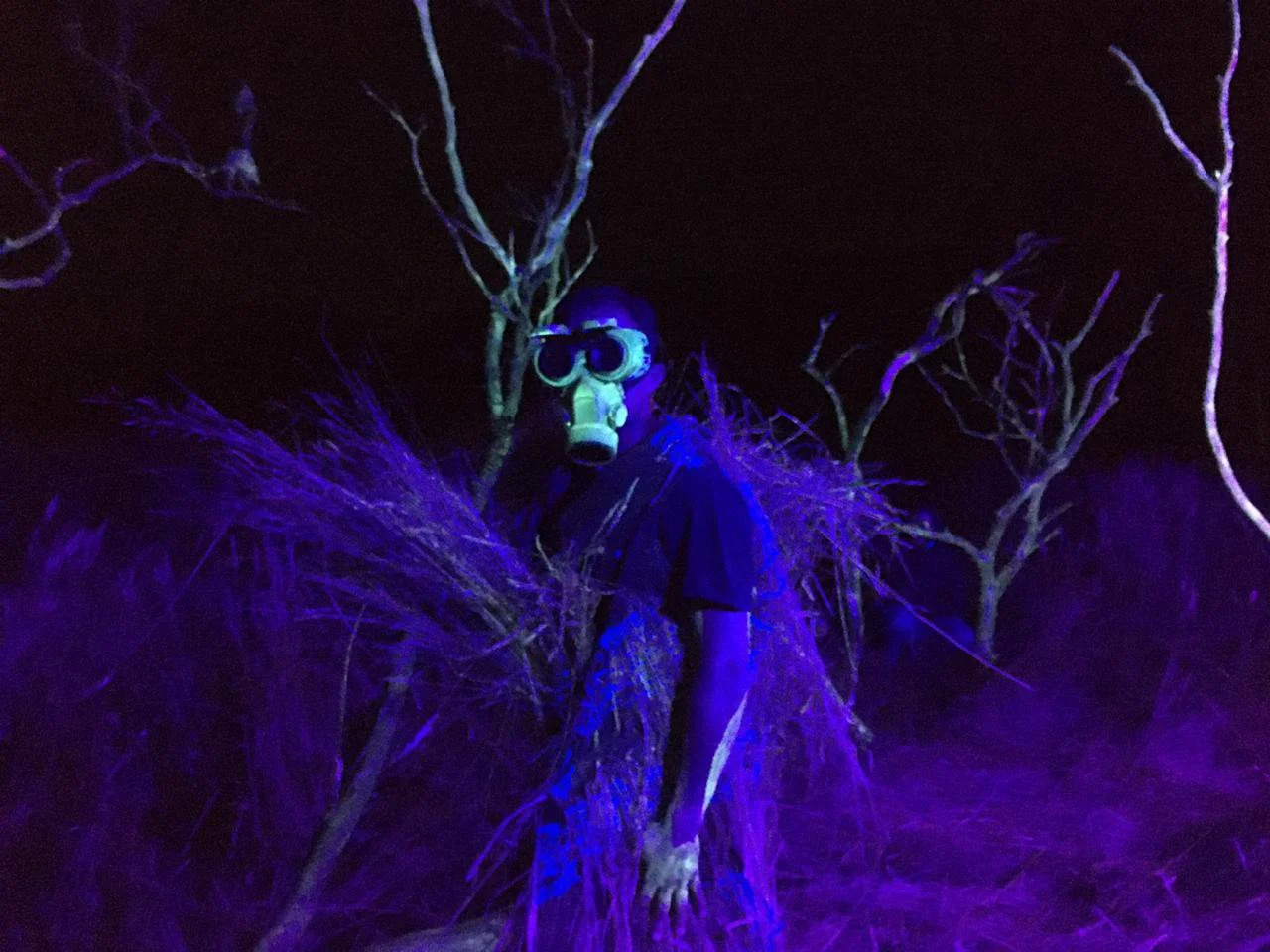
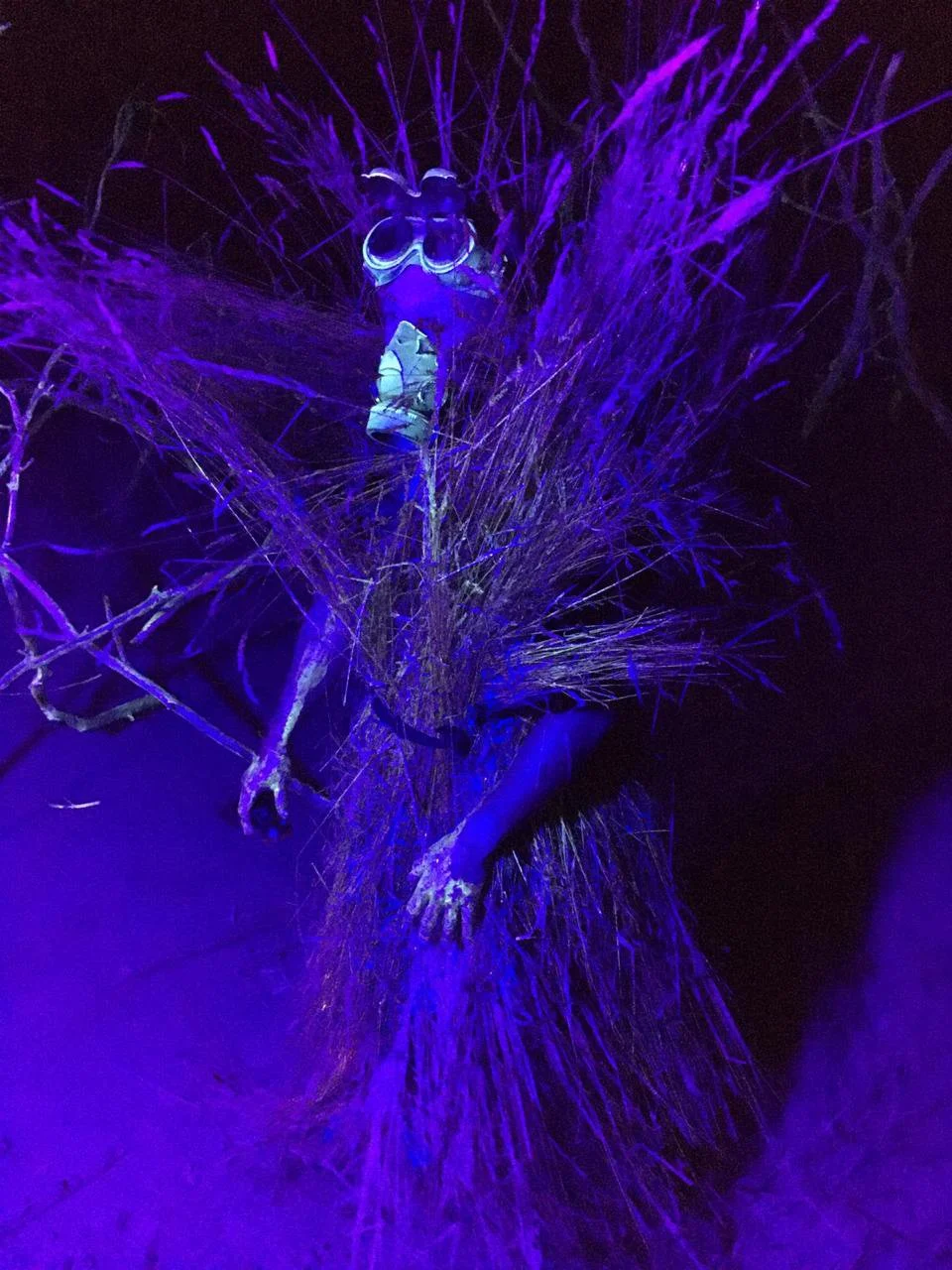
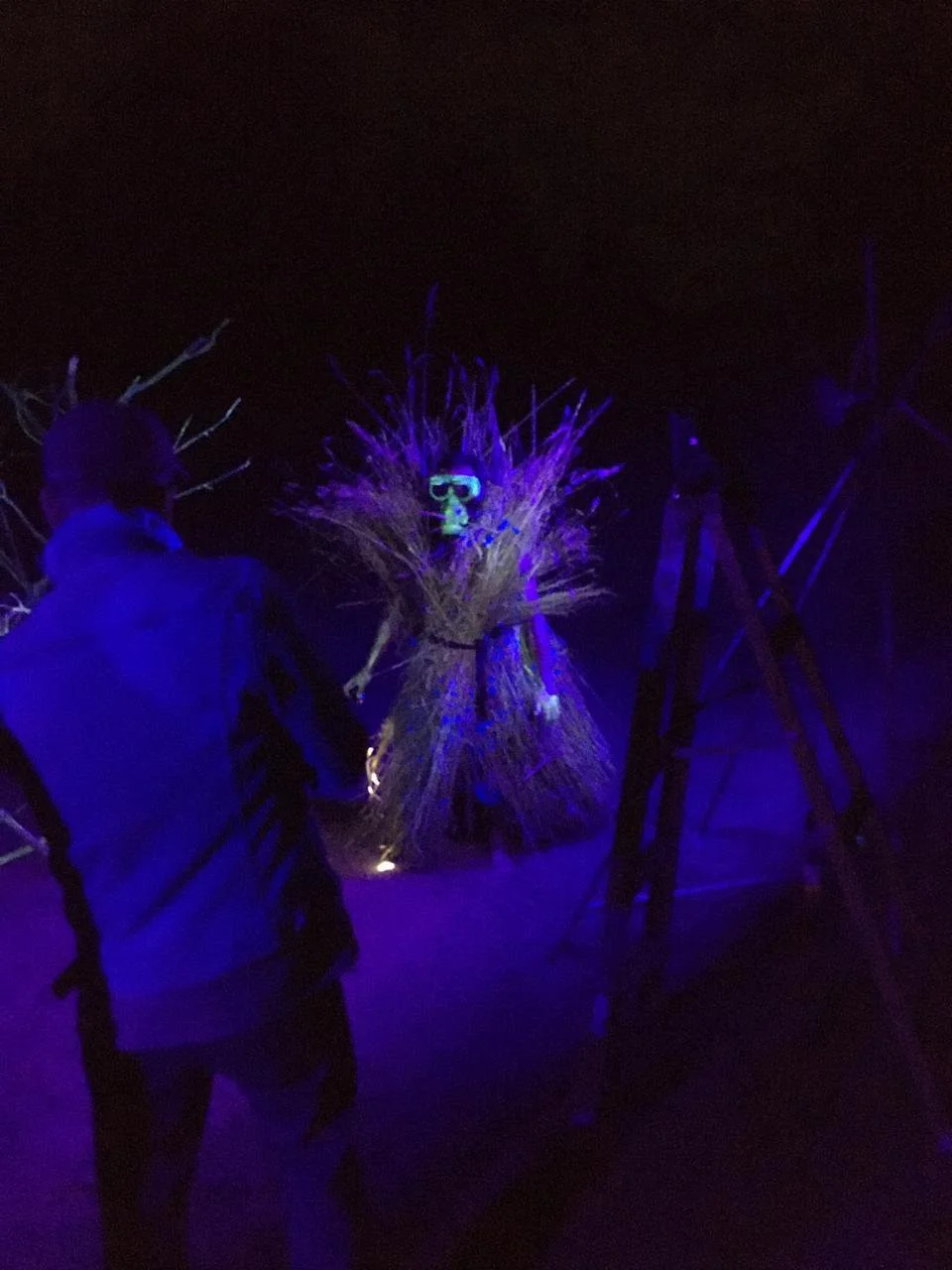
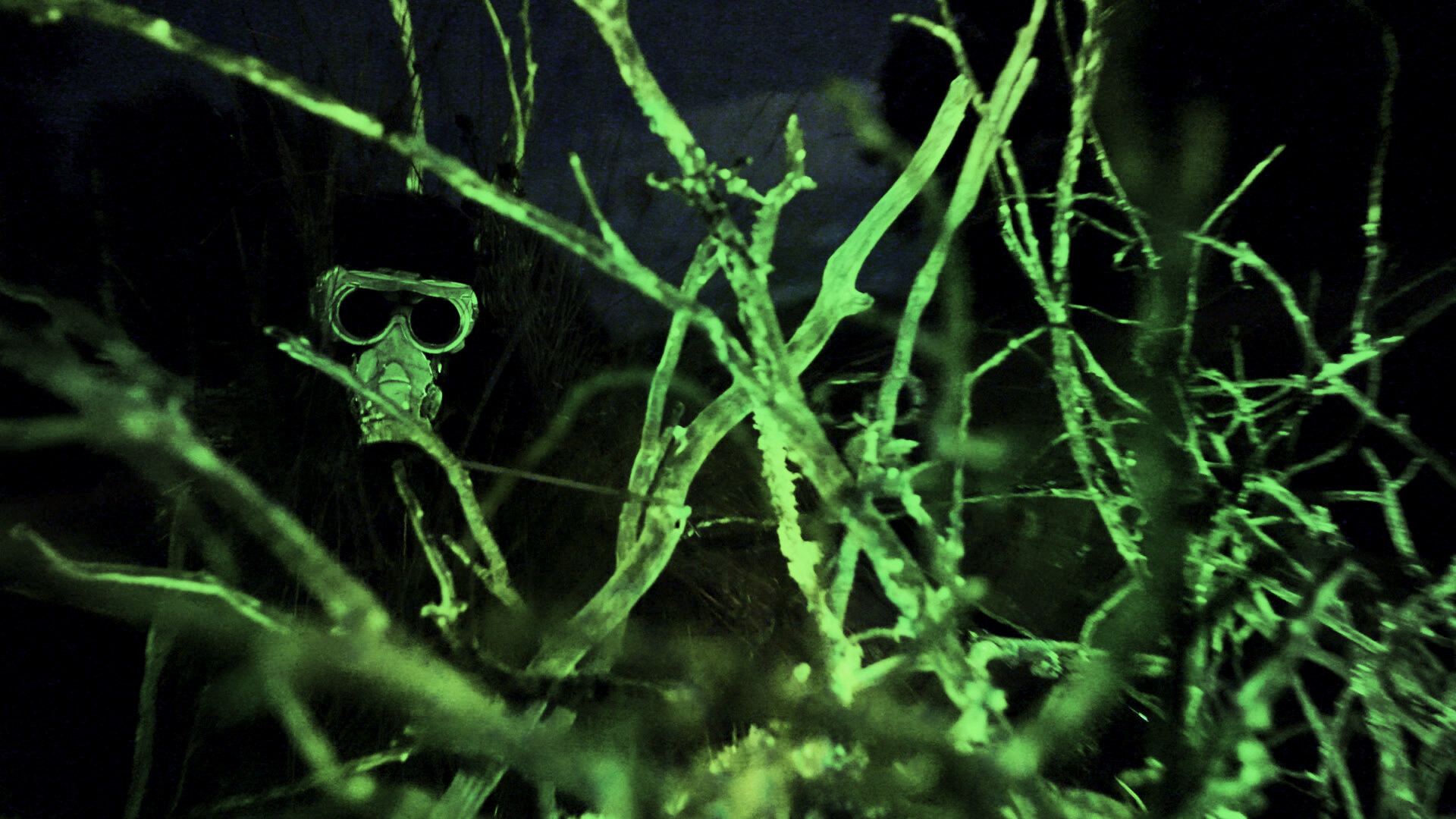
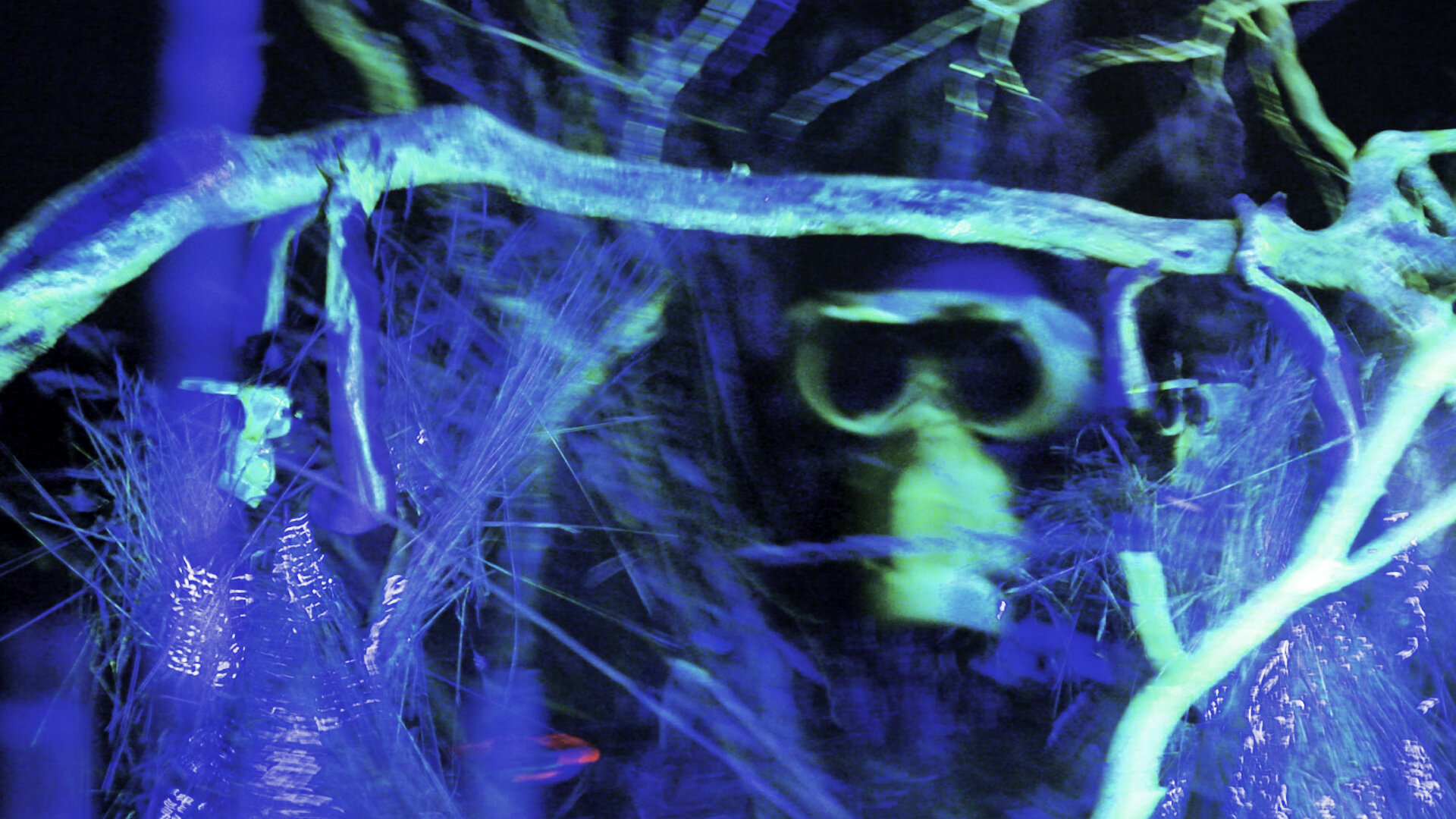
The figure of the Kollón, a ceremonial guardian within the Mapuche tradition and servant of the Earth, moves throughout the video installation as the voice of a wounded territory. Speaking in Mapudungun, it tells of rivers running dry, flowers no longer blooming, the moon losing its cycle, and, little by little, our own gradual disconnection from our roots.
Rather than depicting an ecological crisis, ATMEN invites visitors to experience the territory as a living body whose breath is under threat.
| Year | 2020 – ongoing |
|---|---|
| Format | Immersive video and olfactory installation |
| Media | Video installation, suspended projection surfaces, forest remnants coated with photoluminescent pigment, sound, spoken word in Mapudungun, scent installation and light |
| Dimensions | Variable, adapted to the exhibition space |
| Language | Mapudungun |
| Duration | 3 min 47 sec. | Location | Adaptable to institutional, gallery, festival and site-responsive contexts |
| Availability | Available for exhibitions, festivals and commissions, subject to confirmation |
| Credits |
Concept & Artistic Direction:
Marjorie Chau
Mapudungun translation:
Neftalí Carinao
Cinematography:
Malte Kebbel & Marjorie Chau
Sound recording and design:
to be confirmed...
Olfactory composition:
Paloma Espinoza
Performers (Kollones):
Claudio Ansorena & Marcelo (surname to be completed)
Production and forest collection:
Ko-Panqui
Research residency:
Espacio Arte Ko-Panqui, Wallmapu, Chile
|
Chronology
2022 — BAAM #2, Monopol, Berlin, Germany
2021 — Combat Prize, Italy
2020 — Presentations in Chile and Berlin
2020 — Artist Residency & Research
-
How does the Earth breathe?
ATMEN begins with a simple yet urgent question: What does it mean to breathe when the territory itself begins to run out of breath?
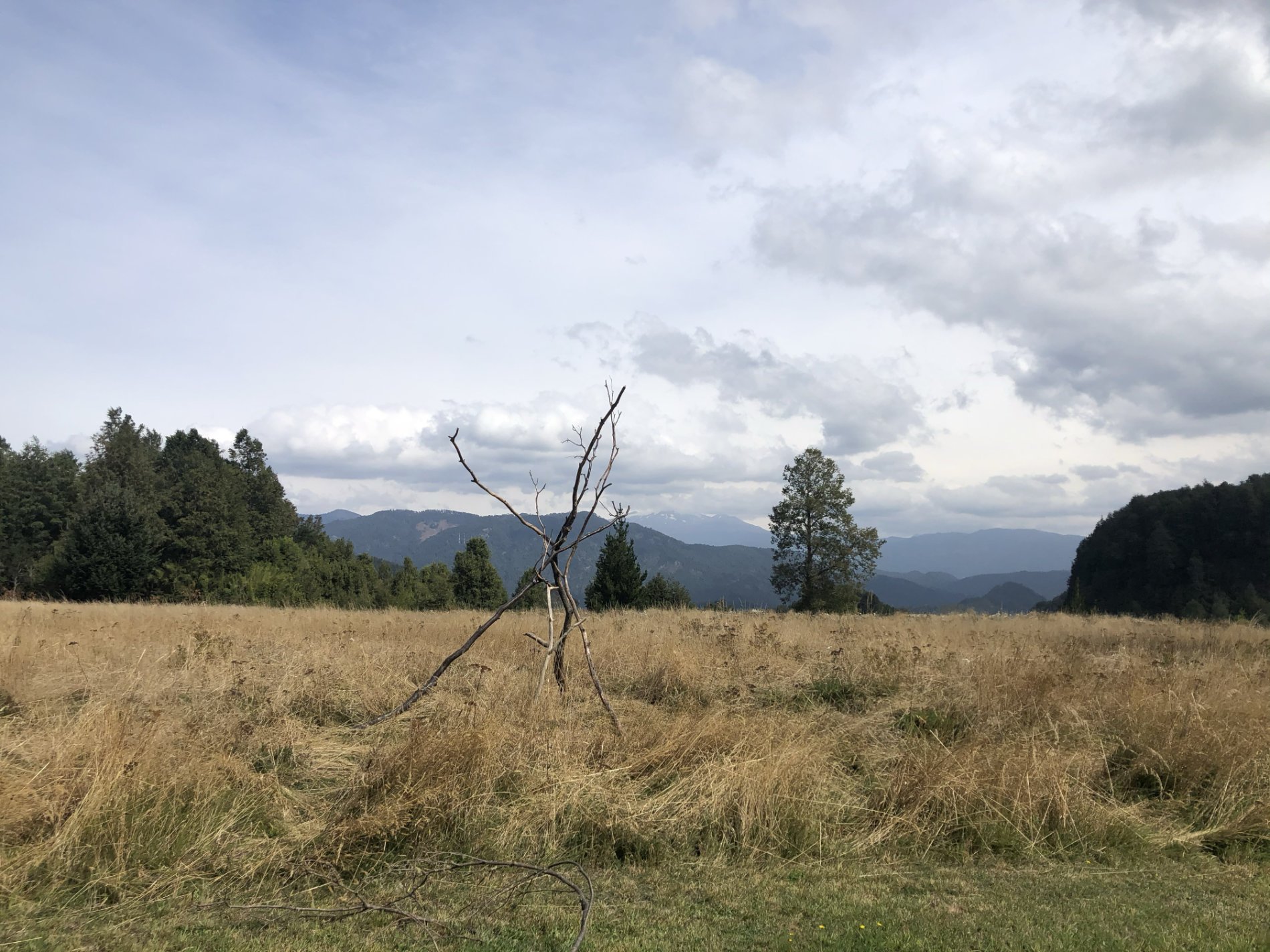
The work emerged from direct observation of the desertification processes affecting the native forests of Wallmapu. Here, the diminishing availability of water is no longer merely an environmental statistic but a lived reality that transforms the landscape, everyday life, and the relationship between communities and their territory.
Breathing therefore ceases to be an exclusively human act and becomes a condition shared by the forest, the water, the soil and those who inhabit them.
Territory as Living Memory
The artist residency formed the core of the research.
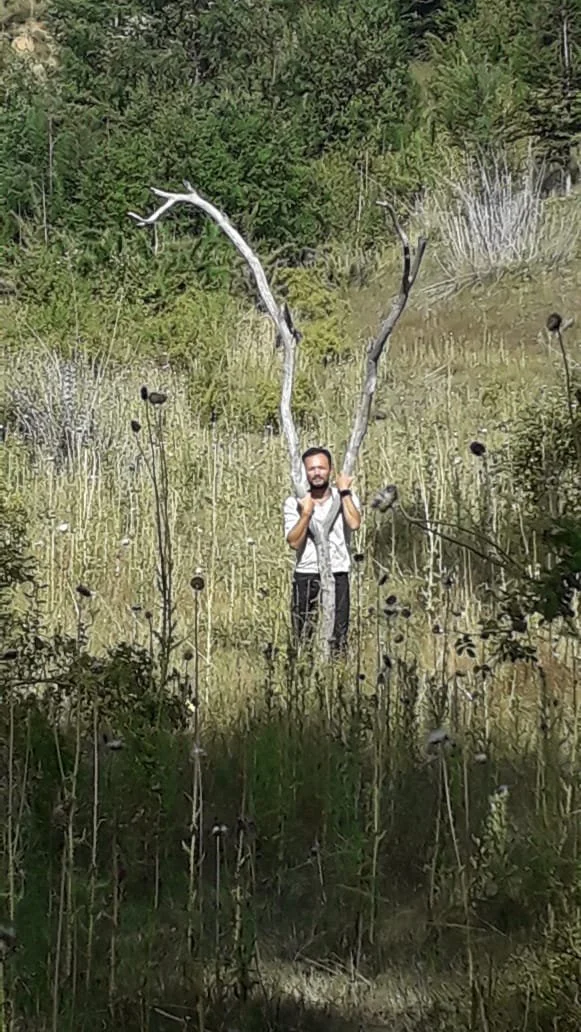
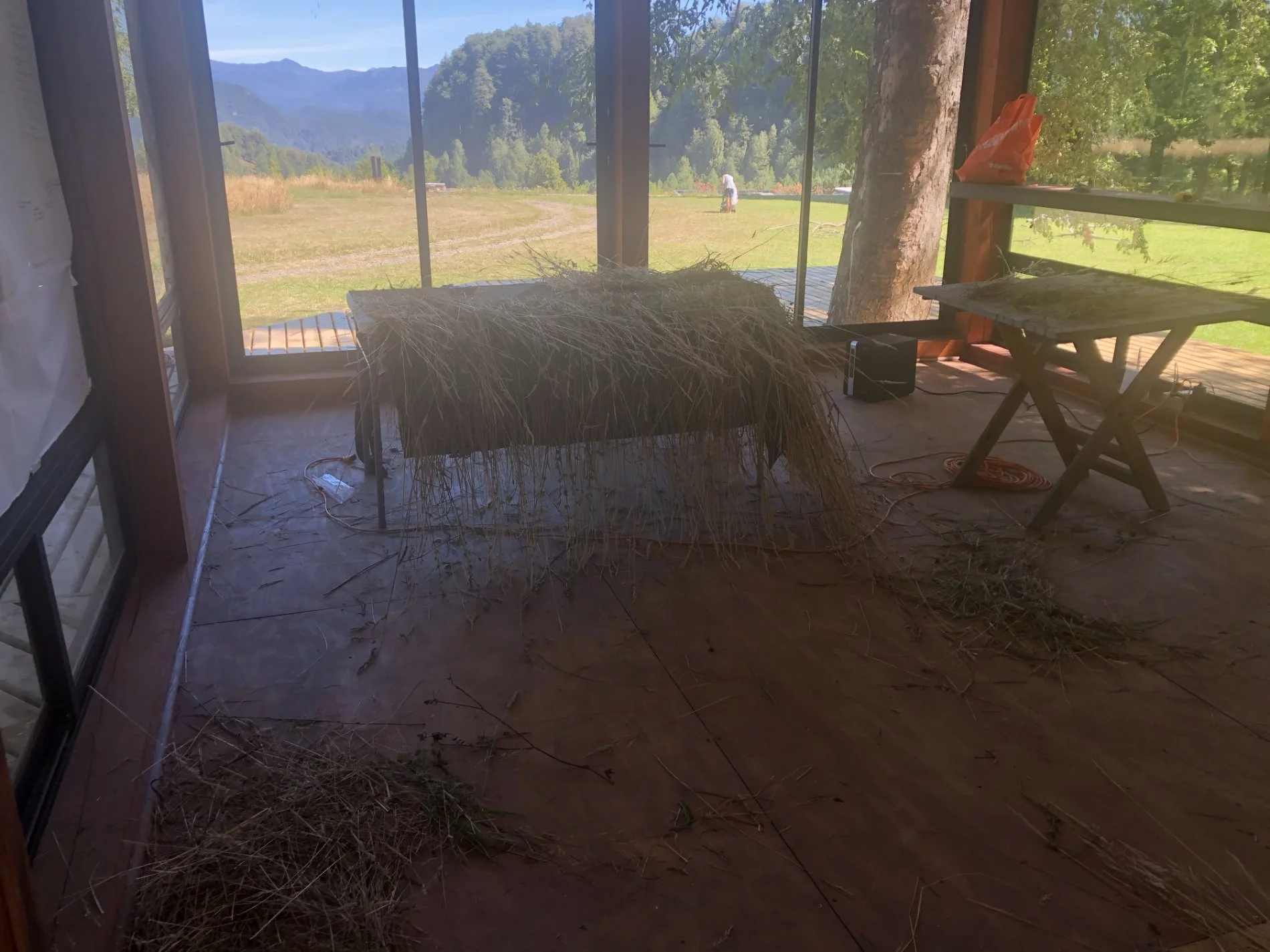
Walking through the territory, gathering fallen branches, recording the sounds of water, working alongside the local community, and encountering the figure of the Kollón allowed the work to emerge from direct experience rather than from a distant representation of the landscape.
Coated with photoluminescent pigment, the branches resemble skeletal remains. Sound, scent and projection extend this presence into an immersive environment where each element carries the memory of the place from which it originates.
A Contemporary Rogativa
Within the Mapuche worldview, the Kollón protects ceremonies and accompanies the Machi as a servant of the Earth. In ATMEN, this ancestral figure moves beyond tradition to become the voice of a territory asking to be heard.
The work can be understood as a contemporary rogativa, a ceremonial act of collective prayer and reciprocity with the natural world. Rather than reconstructing a traditional ritual, it seeks to recover its capacity to bring together image, sound, scent, body and memory within a single act of contemplation.
Rather than denouncing an ecological crisis, ATMEN invites us to listen once again to what the landscape is still trying to tell us.
And it leaves us with an open question:
How do we learn to breathe when the Earth itself begins to lose its breath?