Illusion
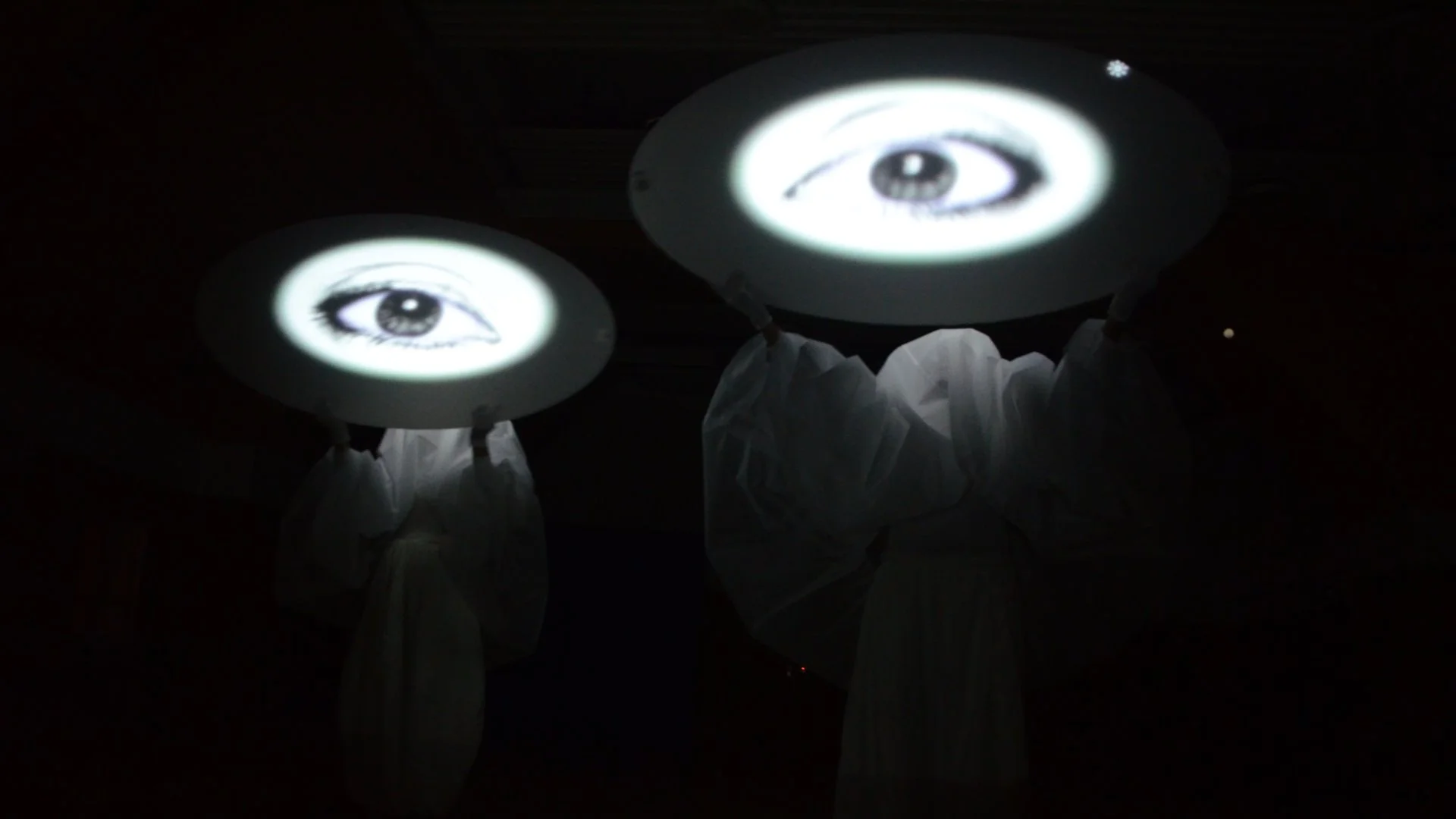
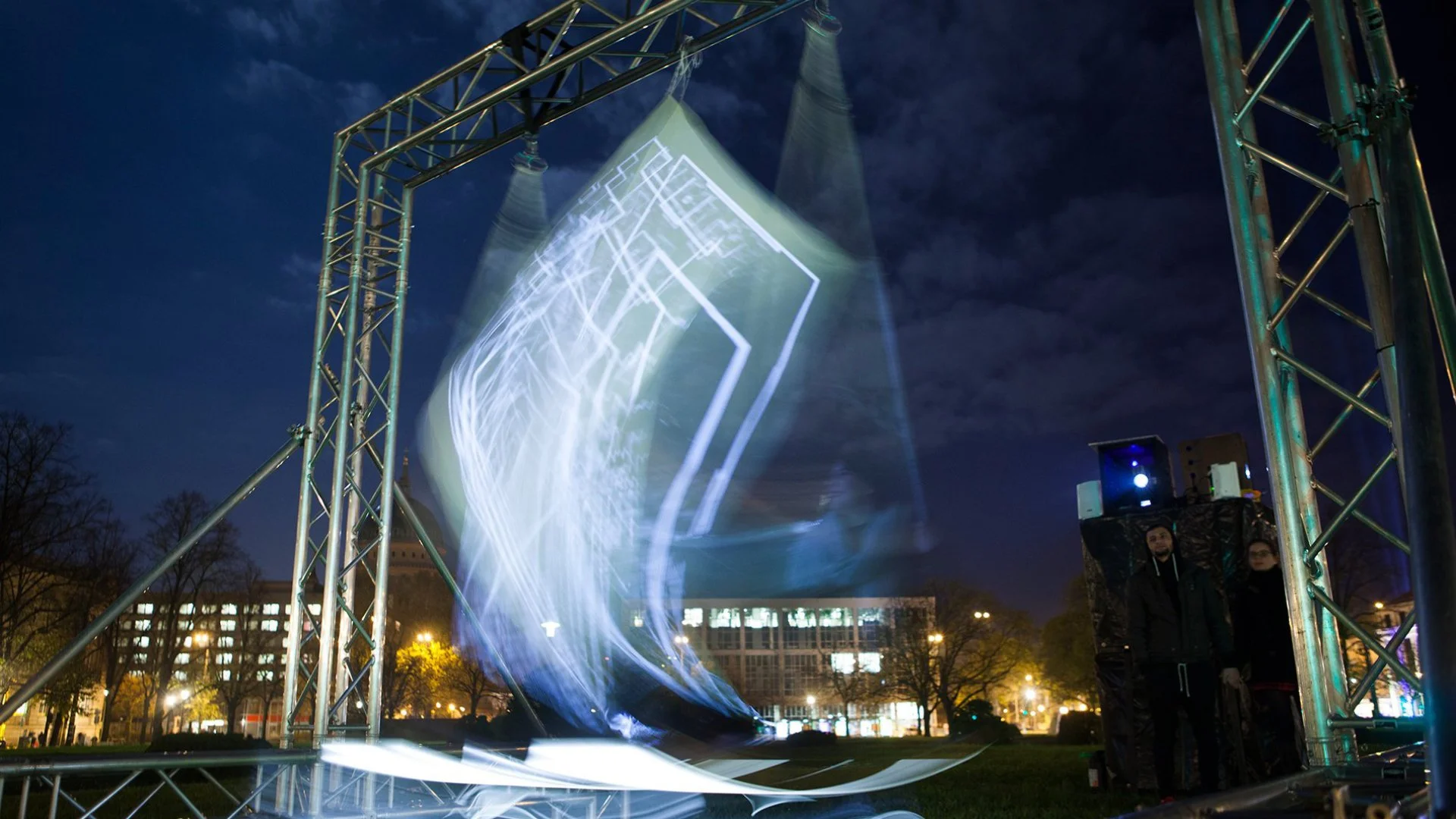
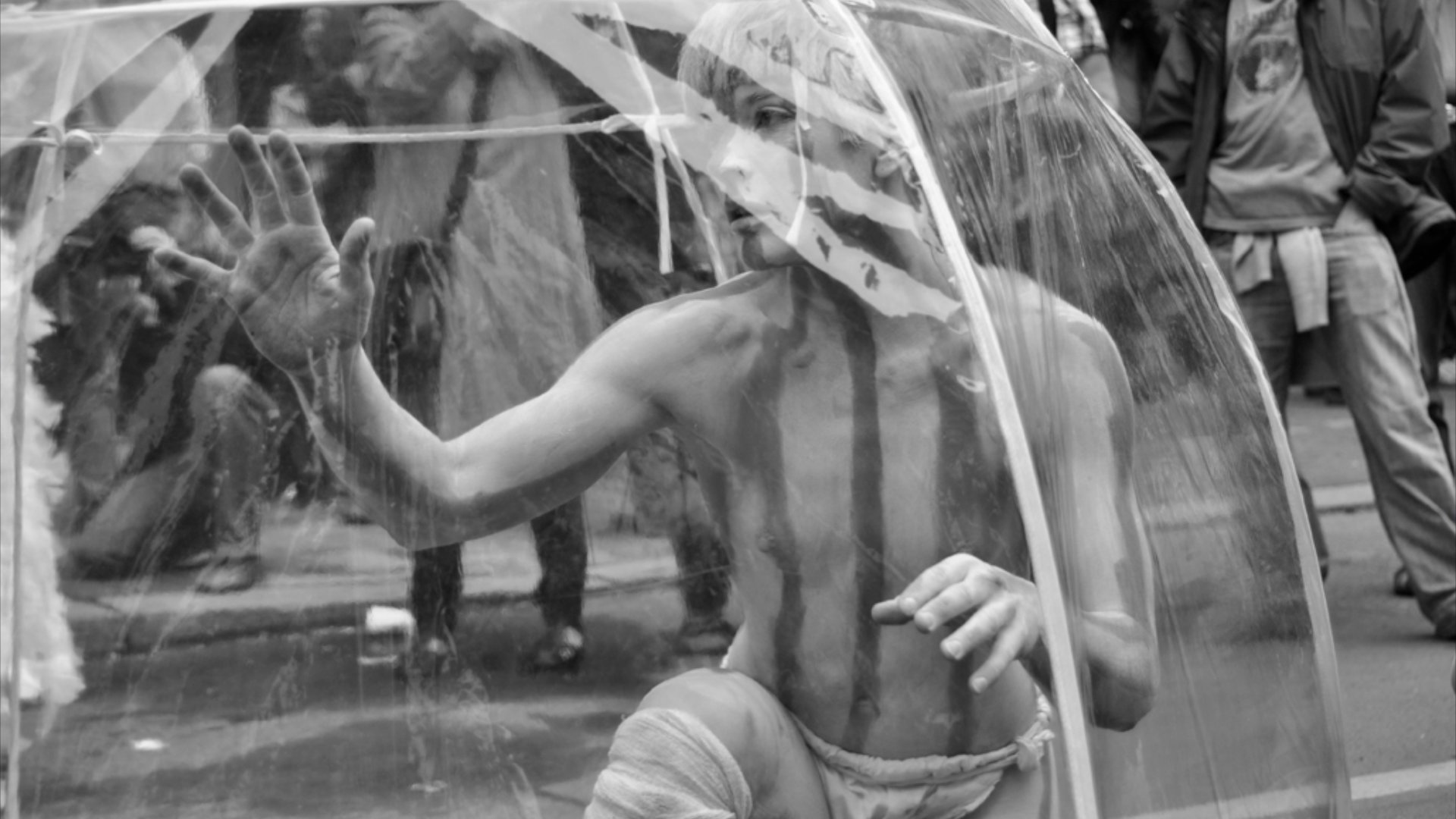
A site-specific performance created for a former bunker in Norway, inspired by Hermann Hesse's novel Steppenwolf. Through a suspended body, light, shadow, and white noise, the work explores how perception transforms reality and questions the boundaries between what we believe we see and what truly exists.




Details
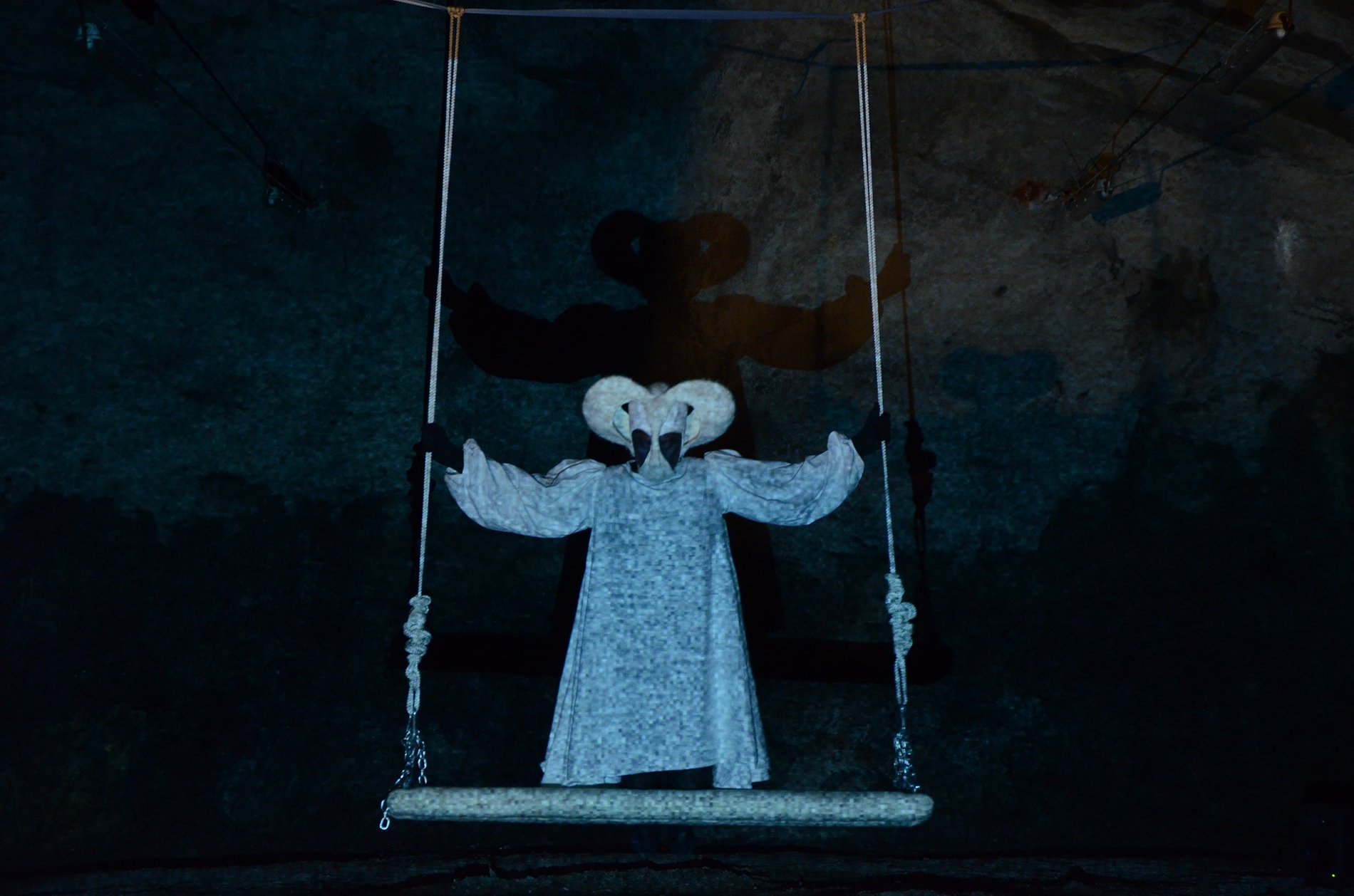
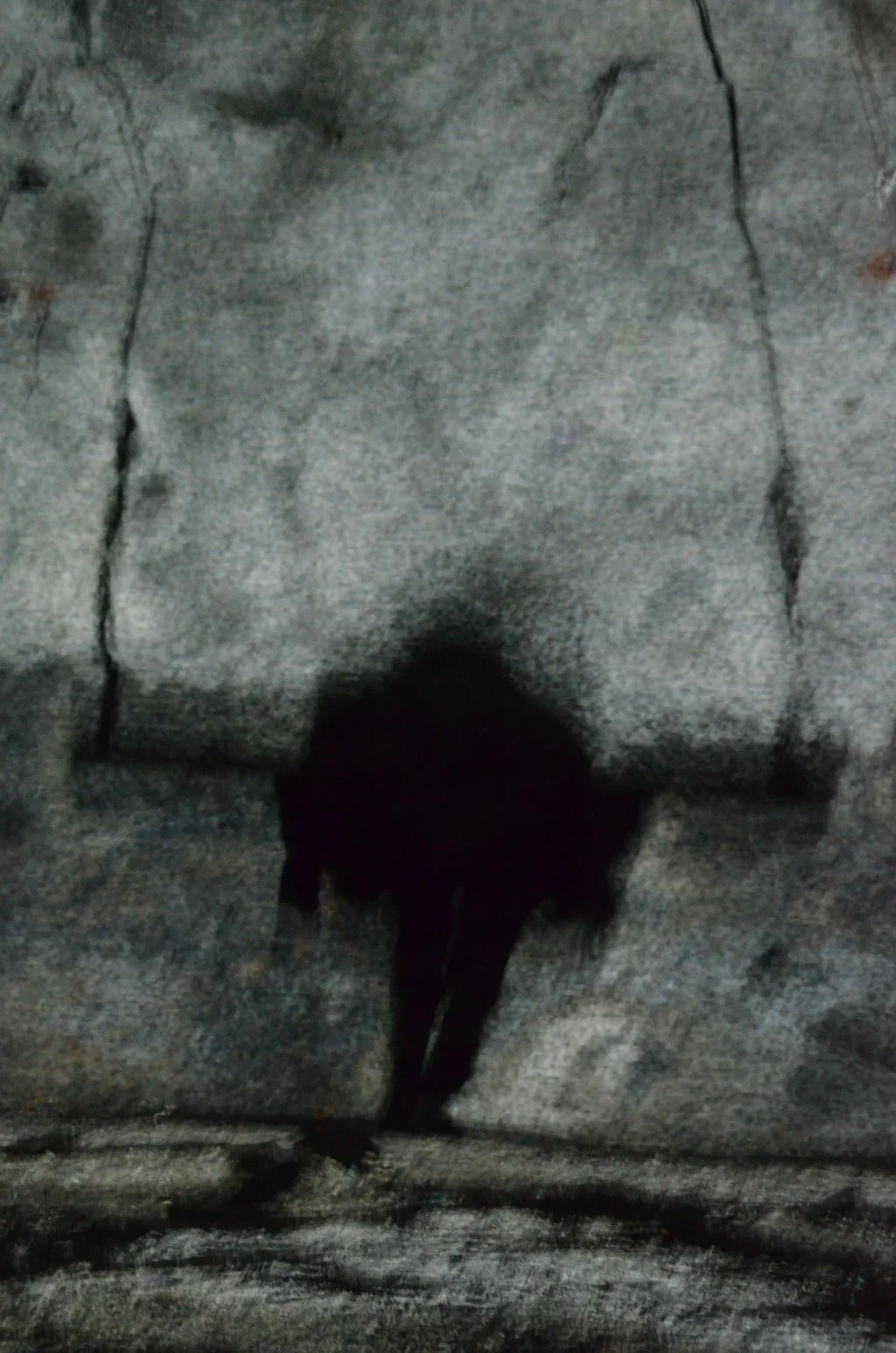
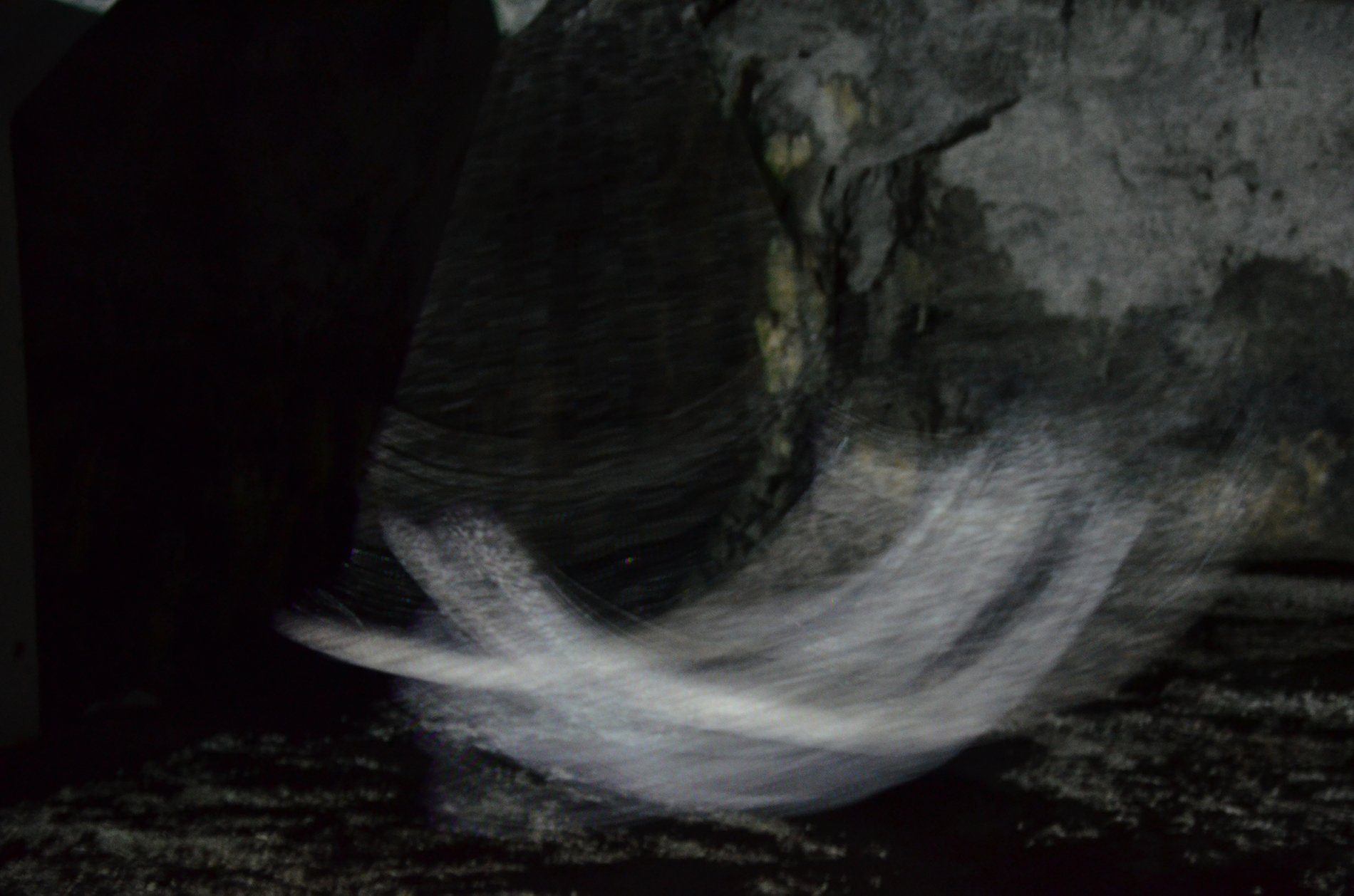
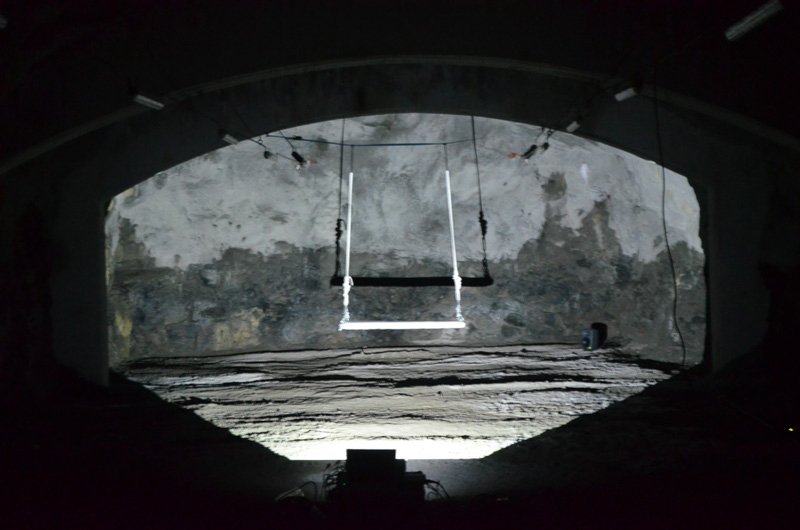
Illusion was conceived specifically for the interior of a former bunker, a space of refuge, silence, and introspection. Within the darkness, a body appears suspended from a swing, gently swaying like an animal presence hidden inside a cave.
The space is enveloped in projections of white noise that wrap around the architecture and continuously alter the viewer's perception. The lighting casts an oversized shadow that transforms an intimate and vulnerable body into a monumental presence. What is small becomes immense. What is close seems unreachable. Reality shifts according to the position from which it is observed.
Inspired by Steppenwolf, the work does not seek to illustrate the novel, but rather to translate one of its fundamental questions into the language of performance: to what extent does reality exist independently of our perception?
| Year | 2014 |
|---|---|
| Format | Site-specific performance |
| Media | Performance, swing, video projection, white noise, light, shadow, and architecture |
| Dimensions | Adaptable to the space |
| Duration | Variable | Location | Site-specific spaces, bunkers, caves, and immersive architecture |
| Availability | Available for site-specific projects and festivals |
| Credits |
Chronology
2014 — Underground – En Danse. Forestilling For Tre Solister, Bergen, Norway
-
Perception Shapes Reality
Illusion investigates the fragility of what we call reality. Rather than representing a physical space, it proposes an experience in which light, shadow, and movement continuously transform what we believe we know.
Inspired by the philosophical reflections found in Steppenwolf, the work engages with the coexistence of the sensible world, what we experience through the body and the senses, and the intelligible world, shaped through thought and imagination. Neither exists in isolation; each continually transforms the other.
Light reveals, but it also conceals. Shadow does not deny reality; it reshapes it. Silence can become noise, and darkness ceases to be an absence, becoming instead a space where imagination completes what remains invisible.
The bunker thus becomes a metaphor for the inner landscape, a place where the body oscillates between protection and exposure, between intimacy and monumentality.
The work offers no answers. Instead, it invites the viewer to ask to what extent reality is a construction born of perception.
Do we see the world as it is... or only as far as we are capable of imagining it?